







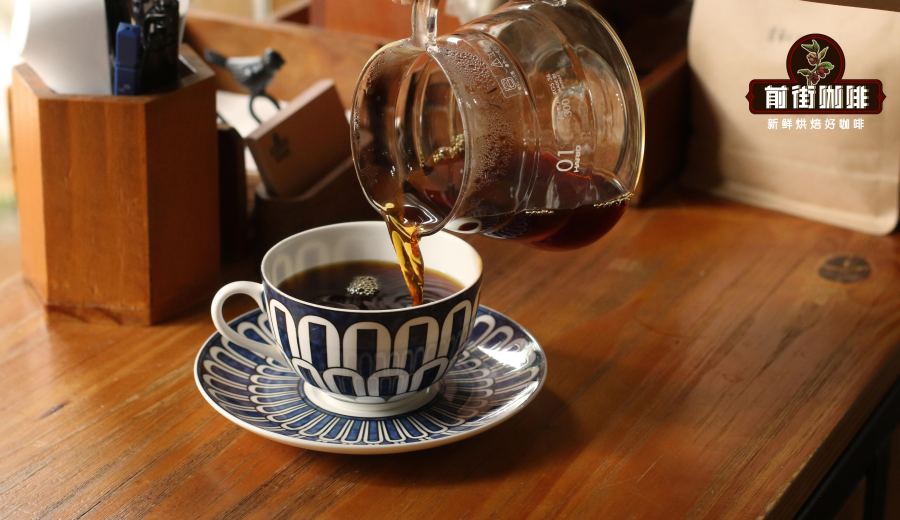
Introduction:Drip bags are an extraction method that combines convenience with flavor, making them ideal for busy modern individuals or coffee enthusiasts without access to specialized equipment. This article delves into the three main flavor profiles of drip bags—bright fruity acidity, rich body, and balanced flavor—and provides an in-depth look at advanced pour over techniques from warming the cup, water temperature, blooming, to the coffee-to-water ratio. It helps readers choose the right drip bag and master the optimal brewing method, while also addressing common questions such as whether they can be brewed more than once and whether they count as black coffee.
Thanks to their ease of use and lack of need for specialized tools, drip bags have become a daily choice for many coffee lovers. Whether at the office, during commuting, or at home for leisure, this brewing format that condenses the essence of pour over into a single bag not only preserves the original flavors of the coffee but also significantly lowers the barrier to entry.
The concept of drip bags originated in Japan, where consumers, facing challenges such as the lack of coffee machines at home or the inconvenience of carrying equipment when out, gradually developed this filter bag design. It allows anyone to easily enjoy a cup of coffee with the flavors of pour over. With the rise of specialty coffee culture, more and more consumers are beginning to focus on the origin, processing method, and flavor characteristics of coffee, making drip bags an ideal vehicle for experiencing a variety of flavor profiles.
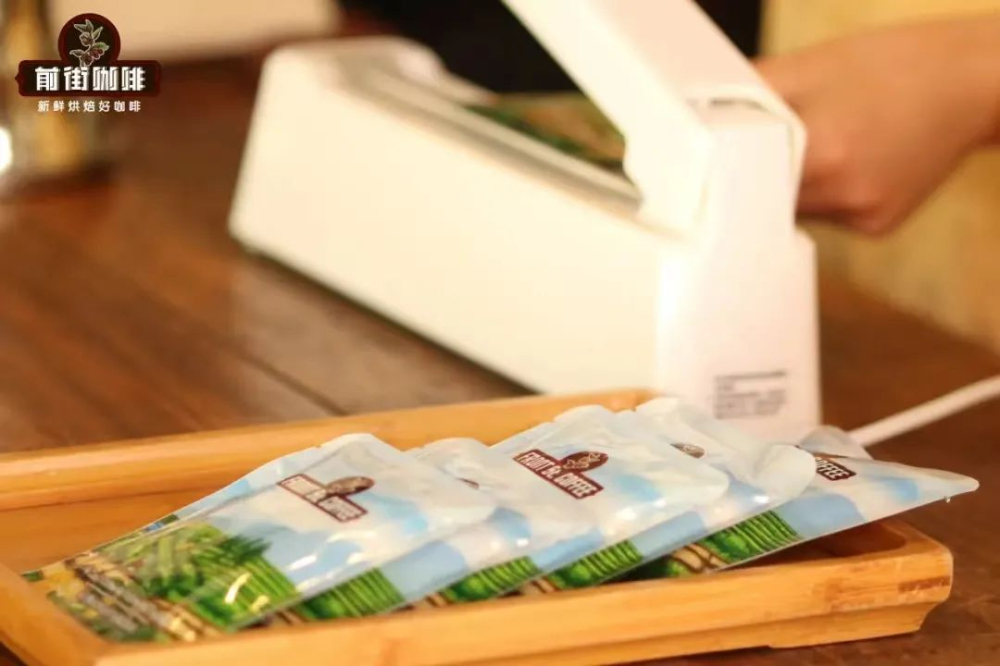
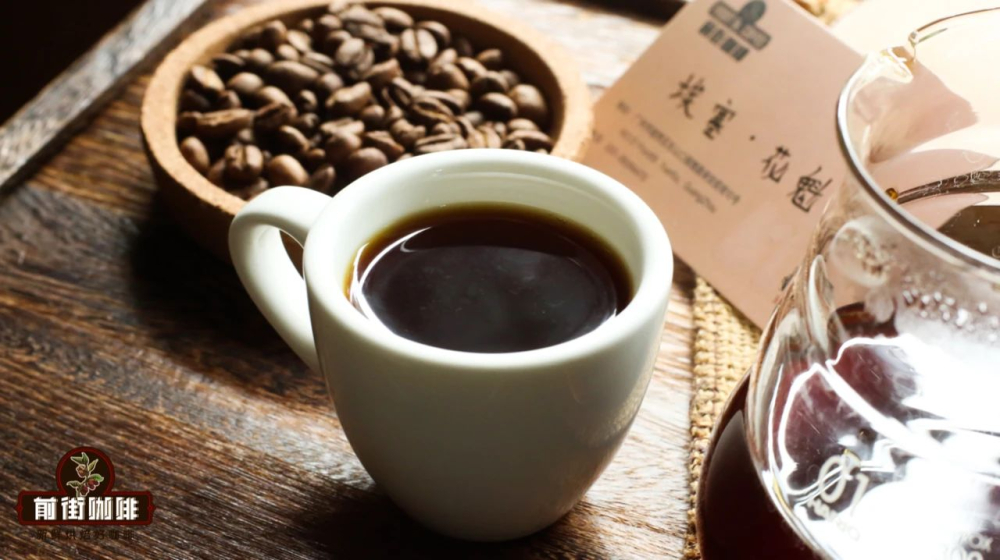
Currently, drip bags on the market can generally be divided into three main flavor types: first isFloral & Fruity Acidity, where the coffee typically exhibits bright citrus, berry, or floral notes. This type is suitable for those who prefer a refreshing taste—for example, options with pronounced citrus and berry aromas can deliver a clean, juice-like freshness. Next isRich & Bold, which is mainly dark roasted and often features layers of creaminess, nuts, chocolate, and caramel. These coffees have a full-bodied mouthfeel and a long aftertaste, making them ideal for those who prefer intense flavors. The third type isBalanced Acidity, Sweetness & Body, which combines moderate acidity, sweetness, and a well-rounded body. It’s suitable for most people new to single-origin coffee and allows them to experience the multifaceted flavors of coffee.
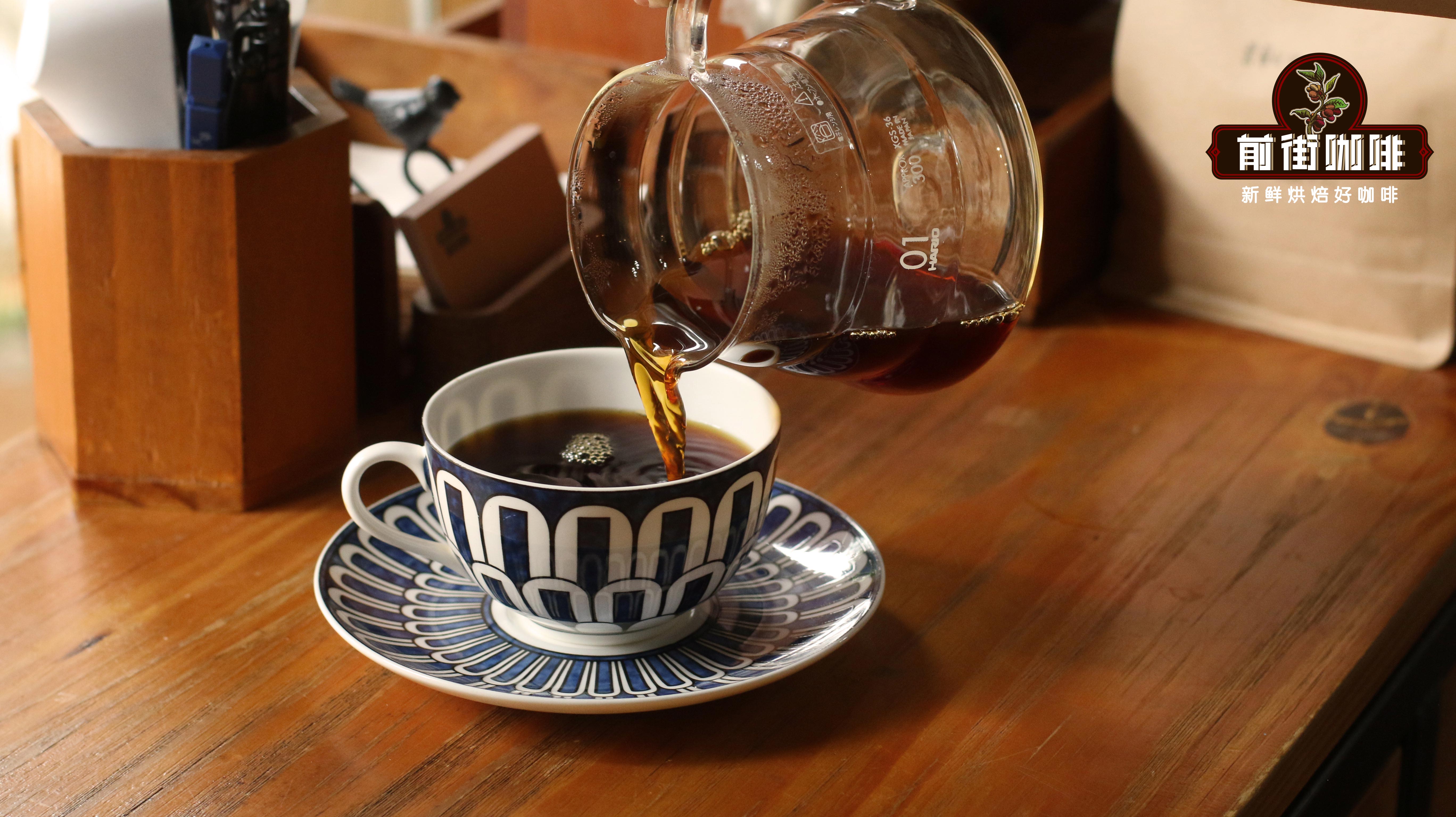
No matter which flavor profile you prefer, mastering the correct brewing technique is key to fully unlocking the potential of your drip bag. First,Warming the Cupis a step that many overlook but is extremely important. Before brewing, using hot water to preheat your coffee cup helps maintain the temperature of the coffee liquid, preventing the rapid dissipation of high-temperature flavor compounds due to contact with a cold cup wall, which could otherwise negatively impact the overall tasting experience.
Next,Controlling Water Temperatureis key to influencing extraction. Generally, for lightly roasted coffee beans, it’s recommended to use 90-93°C [temperature range to be specified] 86-89°C of hot water to fully bring out its vibrant acidity and fruity notes; for dark roasted beans, a water temperature of
[temperature range to be specified]is more appropriate to avoid over-extraction, which can lead to bitterness. Such temperature settings allow coffee of different roast levels to showcase their best flavor profiles.Before pouring the water, performing Blooming is an indispensable step. Pour about 20 gramsof hot water (approximately twice the amount of coffee grounds) evenly in a circular motion from the center outward. This allows the coffee grounds to fully absorb water and release carbon dioxide, which not only aids in the subsequent release of flavor compounds but also makes the overall extraction smoother and more even. The blooming time is usually around
30 seconds, after which you continue pouring until the target water volume is reached.In addition to water temperature and blooming,Coffee-to-Water Ratioand Grind Sizeare also important parameters affecting the taste of your coffee. The generally recommended coffee-to-water ratio is 1:15 to 1:18 , meaning using 15 to 18 milliliters of water per
1 gram
of coffee grounds. This range balances richness and brightness. Although drip bags come pre-ground, and the grind size is typically set to be suitable for pour over, if you’re grinding at home, it’s recommended to adjust based on the equipment used. For example, when using a pour over dripper, the grind size should be between medium-fine and medium-coarse to ensure proper flow rate and even extraction.
Some readers may wonder, can drip bags be brewed more than once? The answer is no—it’s not recommended. During the first brew, most of the flavors and essence of the coffee have already been extracted. A second brew not only results in a weak and watery taste but may also introduce noticeable astringency. While it’s not harmful to health, the drinking experience is greatly diminished. If you don’t want to waste the coffee grounds, consider repurposing them as deodorizers, cleaning abrasives for your grinder, or even as plant fertilizer to make the most of their remaining value.
The above content is compiled by CoffeeHunters, a coffee news website.


