October 24, 2026

Introduction:Feeling overwhelmed when choosing specialty coffee beans? This guide selects representative beans from six classic producing regions—Ethiopia, Kenya, Panama, Jamaica, Indonesia, and Brazil—providing an in-depth analysis of altitude, variety, processing method, and flavor profile, while categorizing them into two main types: bright acidity and rich body. Whether you’re a pour over enthusiast or just starting to explore single-origin beans, you’ll find flavorful guidance tailored for beginners.

Stepping into a café’s bean cabinet, each coffee bean carries a unique terroir story, from the Ethiopian highlands to the Brazilian plains. For those new to coffee exploration, the array of regional labels and processing terminology can make it hard to choose. This article focuses on six globally recognized classic coffee regions, curating representative single-origin beans and dividing them into two flavor categories: those with prominent acidity and those with rich, velvety textures. It takes you through a systematic understanding of each bean’s growing region, grading standards, variety origins, and processing methods, helping you develop a structured approach to selecting beans.

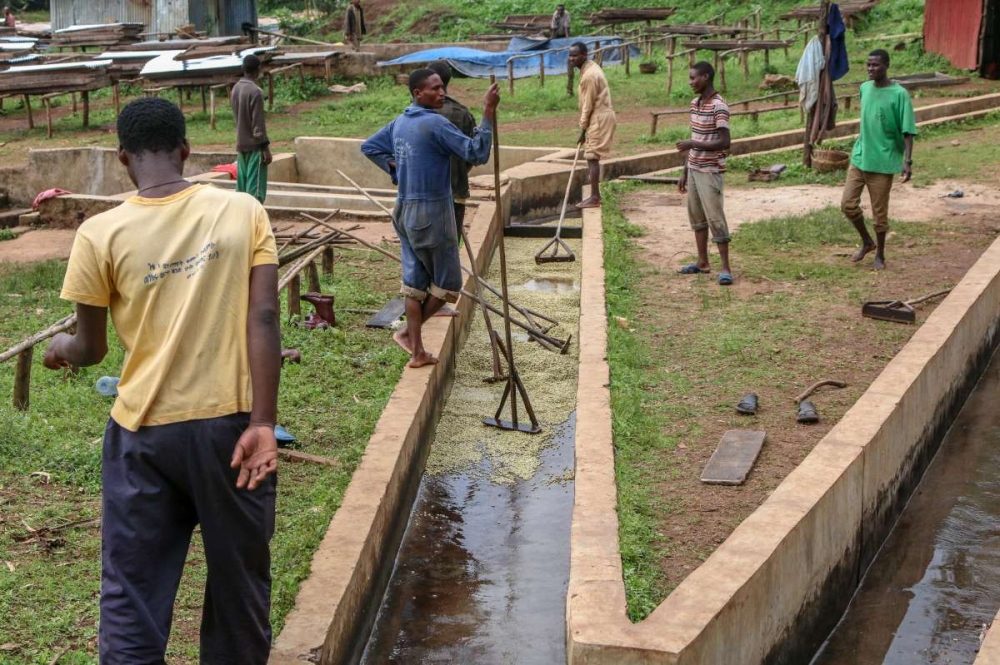
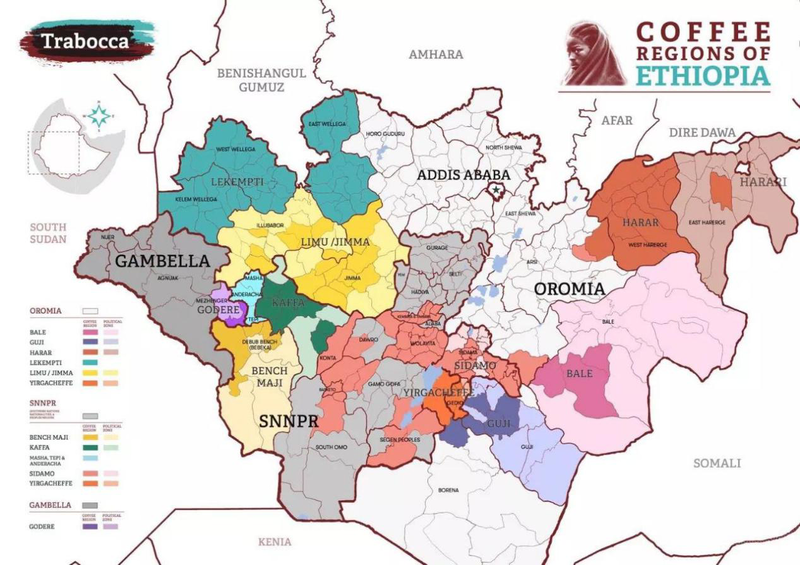
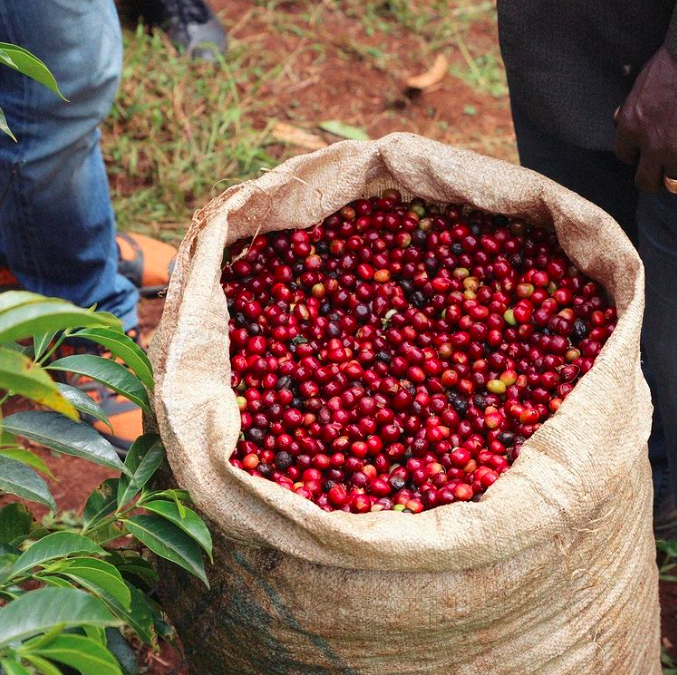
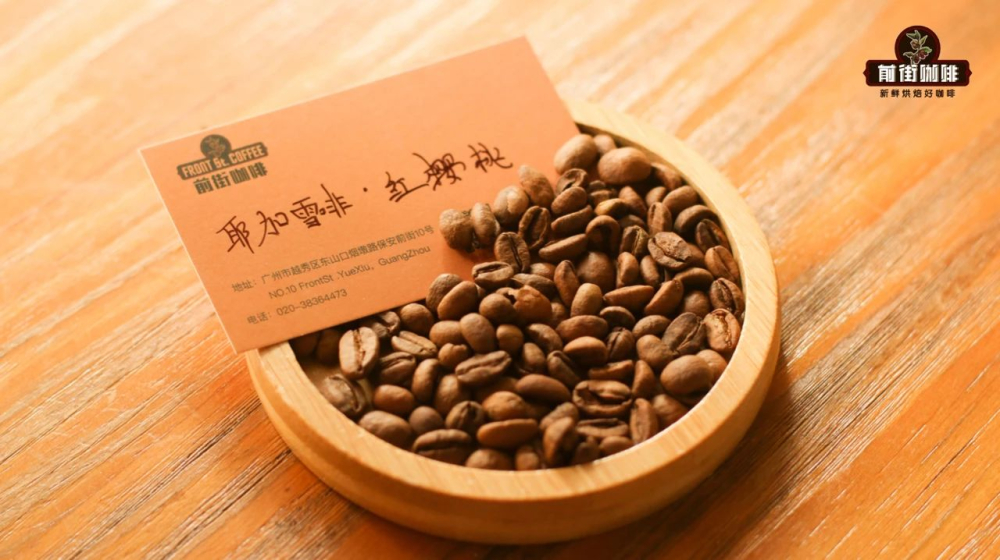
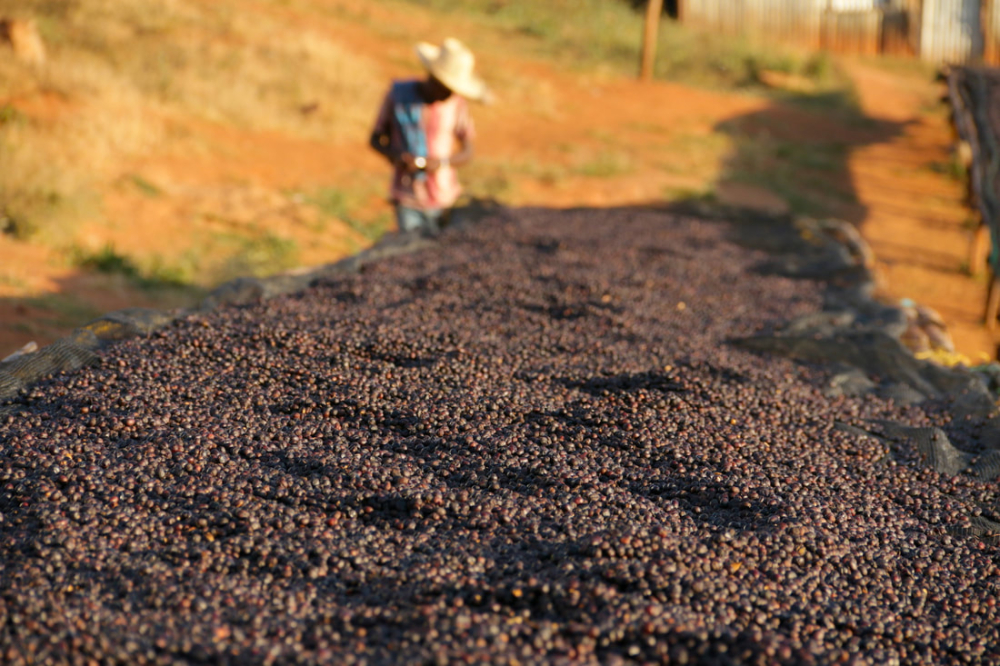
The first trio of beans featured are acidity-driven, hailing respectively from Ethiopia—the genetic cradle of coffee—the Kenyan highlands, and Panama’s microclimates.【Yirgacheffe Red Cherry】Global Six Coffee Regions Flavor Guide: From Yirgacheffe to Brazilian Queen Estate Bean List AnalysisGrown at elevations of 1700–2200 meters in the Gedeb region, where being surrounded by lakes on three sides provides abundant moisture, this bean develops a distinctive citrus character. It is made from native varieties and handpicked red cherries selected under the Red Cherry Project, processed using the natural method with mucilage fermented naturally, resulting in layers of lemon, berries, and black tea notes. Note that the term “Red Cherry” here refers to a high-standard program promoted by Dutch trader Trabocca, with sacks marked with the Trabocca logo serving as authenticity certification.

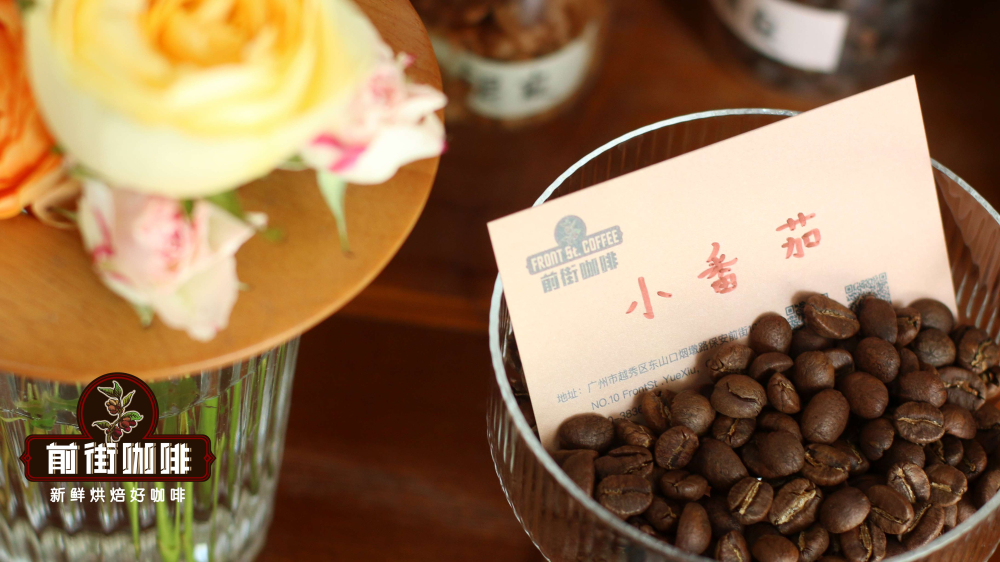
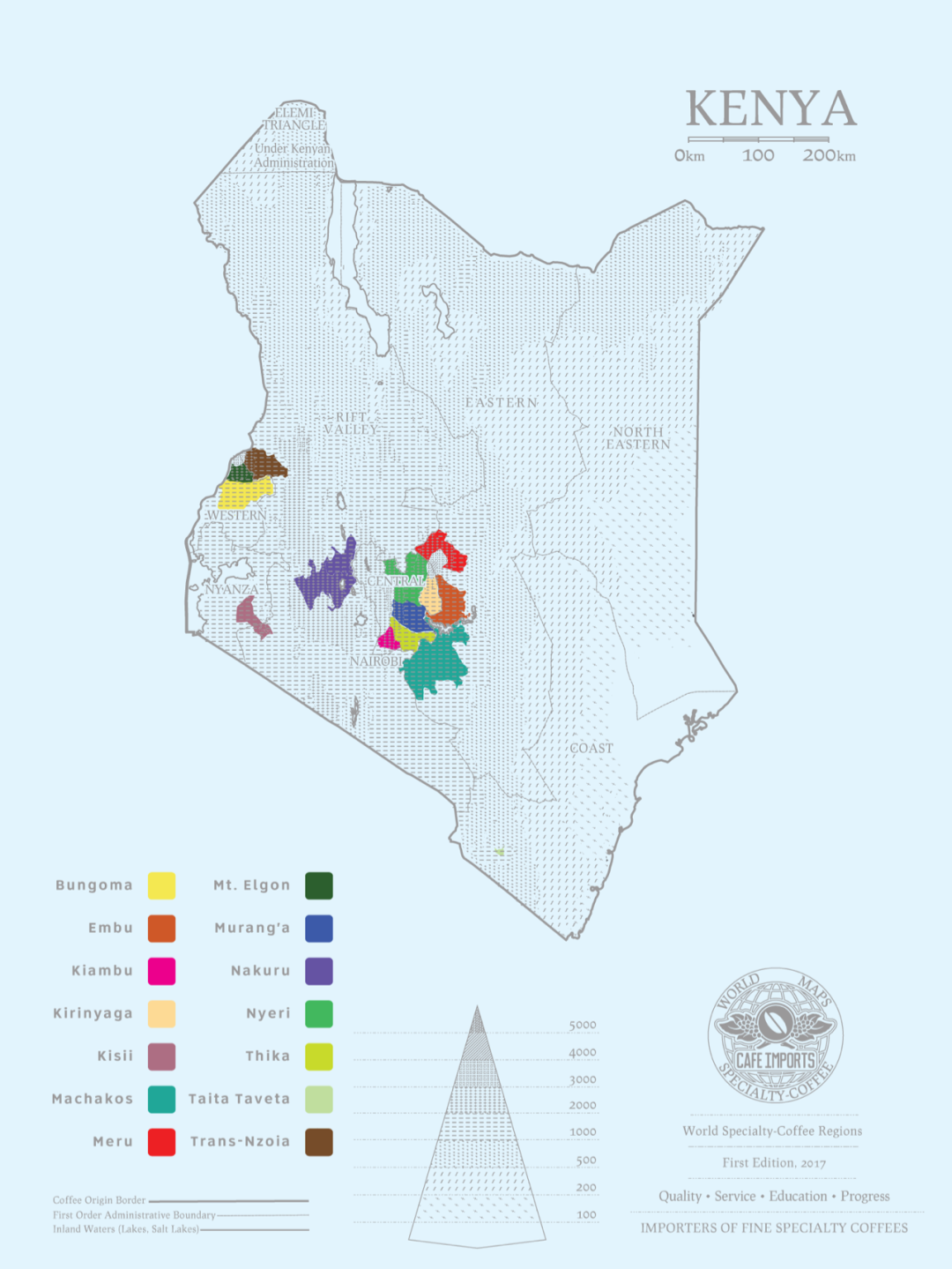
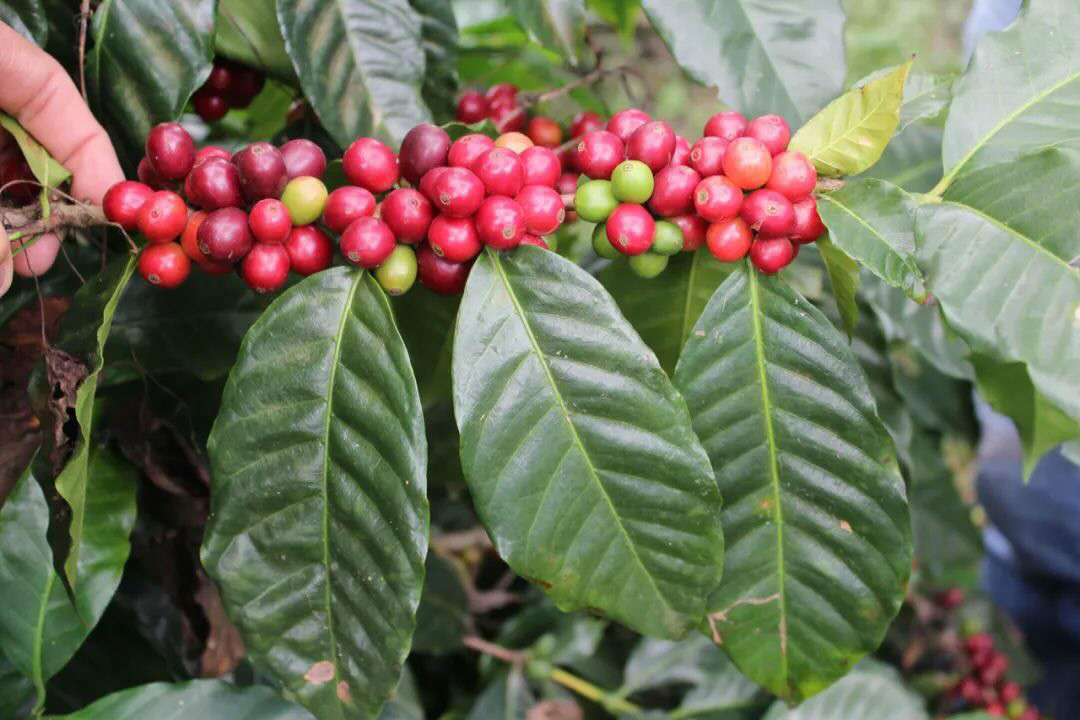
From East Africa, Kenya brings【Little Tomato】Global Six Coffee Regions Flavor Guide: From Yirgacheffe to Brazilian Queen Estate Bean List Analysiswhich showcases a distinctly different acidity structure. Kenyan coffee is graded by bean size and cupping scores, with the AA+ grade paired with the exclusive K72 washed process—fermenting for up to 72 hours, far exceeding the conventional 36-hour standard, creating bright acidity reminiscent of cherry tomatoes and berries. The main cultivars, SL28 and SL34, originated from the Scott Laboratories; the former offers vibrant acidity, while the latter has a smoother acidity. Together they account for 90% of Kenyan production, and in recent years have also been actively introduced to South American growing regions.
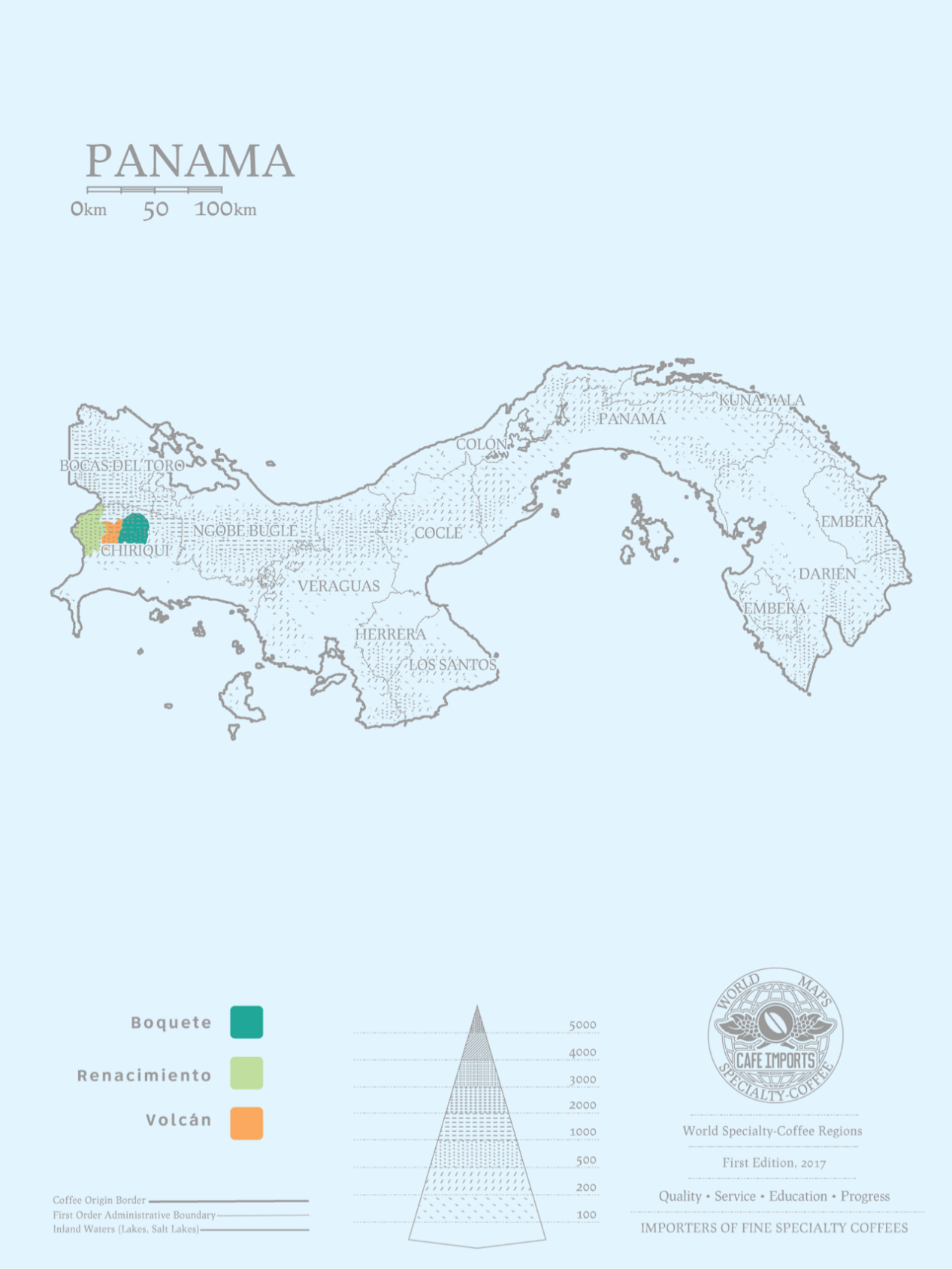
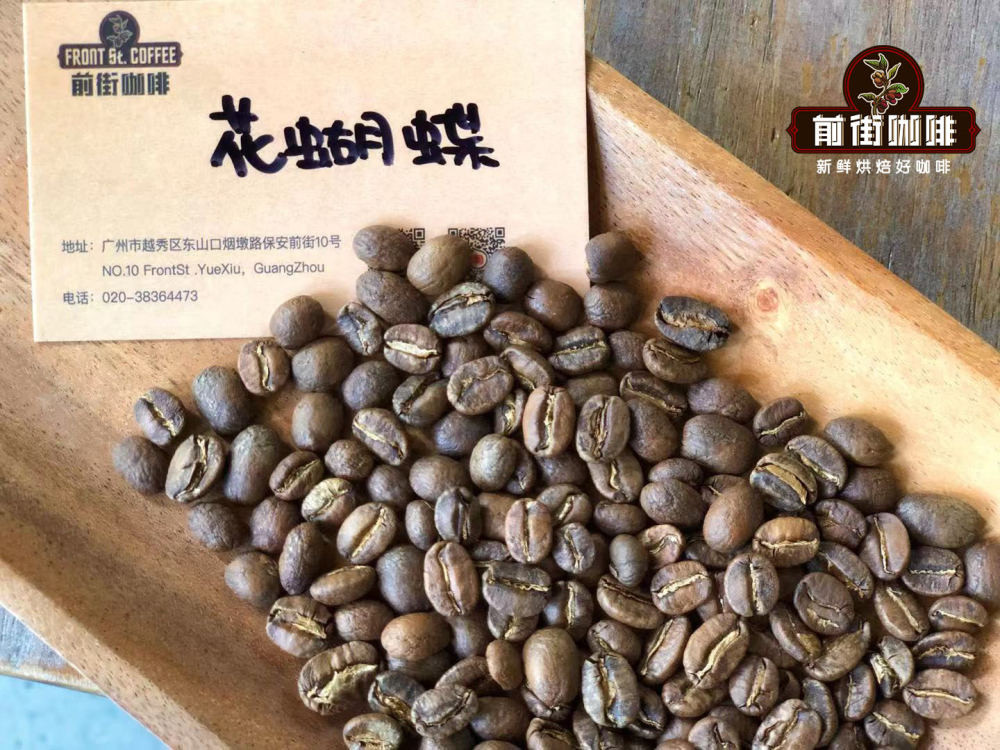
The third acidity representative,【Panama Geisha Flower Butterfly】Global Six Coffee Regions Flavor Guide: From Yirgacheffe to Brazilian Queen Estate Bean List Analysiscombines three varieties—Geisha, Caturra, and Catuai—grown at 1550–1750 meters at the Hacienda La Esmeralda processing mill. The washed process preserves clear floral and citrus notes, highlighting brightness more effectively than the natural method. A practical tip: the silver lines formed by residual silverskin on washed beans can serve as an identifying feature, while natural beans, having undergone fruit fermentation, typically exhibit a sweeter profile.
Moving to the rich-bodied selection, the first recommendation is【Jamaica Blue Mountain】Global Six Coffee Regions Flavor Guide: From Yirgacheffe to Brazilian Queen Estate Bean List Analysisfrom the Caribbean island of Jamaica. Grown in the Blue Mountains at 2256 meters along the 25th parallel north, paired with fertile volcanic soil, it delivers a rich taste with a perfect balance of sweetness, acidity, and bitterness. Within the strict grading system, Blue Mountain No. 1 is the highest grade, using only green beans larger than screen 17 with a defect rate below 3%. The Clifton Estate, as the largest producer in the Blue Mountains, benefits from its high-altitude foggy environment and mineral-rich soil, providing ideal ripening conditions for coffee cherries.
From Sumatra, Indonesia, comes【Golden Mandheling】Global Six Coffee Regions Flavor Guide: From Yirgacheffe to Brazilian Queen Estate Bean List Analysisshowcasing the unique charm of the wet-hulled (Giling Basah) process. Developed to adapt to the rainy climate, this method involves removing the skin and pulp, fermenting for 3 hours, then removing part of the outer layer once the moisture content drops to 30–50%, followed by further drying to 12–13%. The PWN company conducts three rounds of manual sorting for Golden Mandheling, resulting in a smooth texture with layers of nuts, chocolate, and caramel. Note that wet-hulled beans often have irregular indentations, a normal outcome of the process.
Finally, we have【Brazilian Queen’s Estate】Global Six Coffee Regions Flavor Guide: From Yirgacheffe to Brazilian Queen Estate Bean List Analysis, derived from historical varieties introduced to Brazil by Portuguese officers in 1720. Brazil grades coffee based on bean size, defect rate, and flavor profile comprehensively, and Queen’s Estate beans fall under the NY.2 high standard (fewer than 6 defects per 300g). Using the natural process, ripe red cherries are directly sun-dried, bringing out a rounded flavor with black chocolate, fermented fruit, and subtle lemon notes—ideal for those who prefer low-acidity and mellow profiles.
Across these six representative beans, within the acidity-focused group, Kenya’s Little Tomato boasts the most vivid acidity, Yirgacheffe Red Cherry exhibits delicate fruitiness, and Panama Geisha Flower Butterfly strikes a balanced brightness. In the rich-bodied category, Golden Mandheling has the most structured profile, Jamaica Blue Mountain shines with diverse flavors, and Brazilian Queen’s Estate offers the gentlest taste. Regardless of which type you choose, it is recommended to adjust grind size and water temperature according to your pour over equipment: acidity-forward beans suit medium-coarse grind and higher water temperature (90–92°C), while rich-bodied beans can be fine-tuned with slightly finer grind and a lower water temperature (88–90°C) to bring out their layered complexity.
Global Six Coffee Regions Flavor Guide: From Yirgacheffe to Brazilian Queen Estate Bean List Analysis

Global Six Coffee Regions Flavor Guide: From Yirgacheffe to Brazilian Queen Estate Bean List Analysis

Global Six Coffee Regions Flavor Guide: From Yirgacheffe to Brazilian Queen Estate Bean List Analysis

Global Six Coffee Regions Flavor Guide: From Yirgacheffe to Brazilian Queen Estate Bean List Analysis

Global Six Coffee Regions Flavor Guide: From Yirgacheffe to Brazilian Queen Estate Bean List Analysis

Global Six Coffee Regions Flavor Guide: From Yirgacheffe to Brazilian Queen Estate Bean List Analysis

Global Six Coffee Regions Flavor Guide: From Yirgacheffe to Brazilian Queen Estate Bean List Analysis

Global Six Coffee Regions Flavor Guide: From Yirgacheffe to Brazilian Queen Estate Bean List Analysis

The above content is compiled by CoffeeHunters, a coffee news website.

You May Also Like