








Introduction:The French press is the go-to brewing method for many coffee beginners due to its simplicity, yet it requires careful attention to several parameters. This article details the key elements of French press brewing—such as coffee grind selection, grind size, water temperature control, and steeping time. It also covers methods for making iced coffee, daily cleaning procedures, and extends to its versatile uses in cupping, tea brewing, and even frothing milk, helping you unlock the full potential of this classic brewing tool.
Since its inception in France in the 19th century, the French press has become a daily essential for coffee enthusiasts worldwide thanks to its simple design and immersion brewing method. However, brewing a consistently well-balanced cup requires knowledge of various factors including coffee type, grind size, water temperature, and steeping duration. This article will delve into the practical parameters of the French press, such as brew ratio and suitable coffee types, and also explore its alternative uses as a cupping tool, tea infuser, and even a milk frother. Additionally, we provide a complete iced coffee brewing guide along with cleaning steps to help you fully master this iconic brewing device.
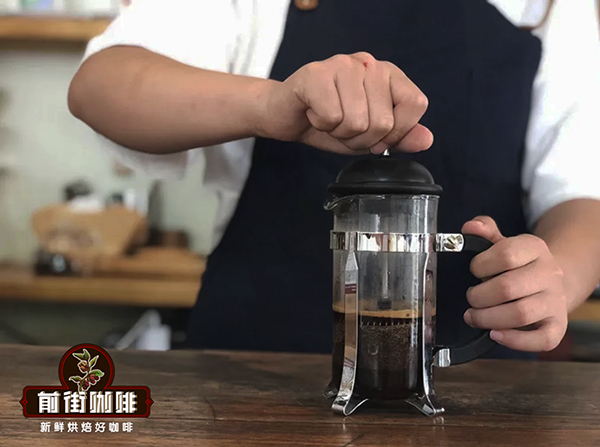
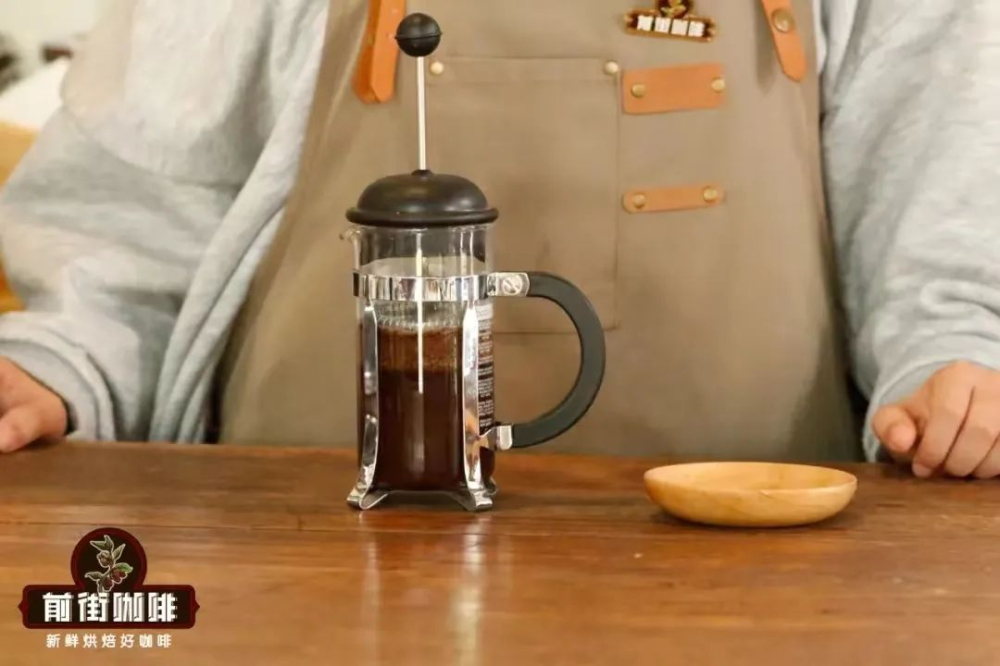
The French press is known in English as the "French Press," and in Chinese often referred to as the "法式压滤壶." Though its exact origins remain unclear, it is generally believed that in 1852, the Frenchmen Mayer and Delforge founded the "Smith" company and applied for a patent for a piston-filter coffee device, naming it the "French Press." This event is considered the commercial starting point of the French press. Its design philosophy is both simple and functional, primarily consisting of a heat-resistant glass carafe and a metal filter screen with a plunger. Brewing simply involves adding coffee grounds and hot water to the carafe, letting them steep, then separating the grounds using the metal filter to produce a relatively clear cup of coffee—all accomplished through just three steps: adding grounds, pouring water, and pressing the plunger.
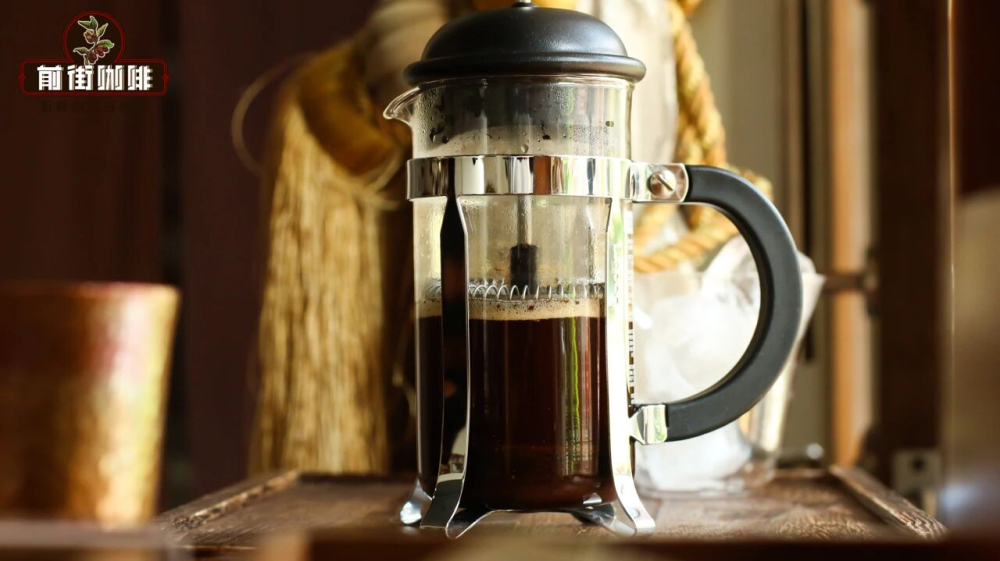
As the French press employs an immersion brewing method, it is generally better suited for medium or medium-dark roasted coffee beans. If you prefer floral and fruity notes, you can try flavor beans like Strawberry Candy, Mozart, or Sidamo. For those who favor rich, nutty profiles, Queen Estate, Golden Mandheling, or Huila are excellent choices. The French press allows water and coffee grounds to interact thoroughly over an extended steeping period, during which time control is crucial: the longer the steep, the more flavor compounds are extracted, but oversteeping can lead to excessive extraction and an overly intense taste.
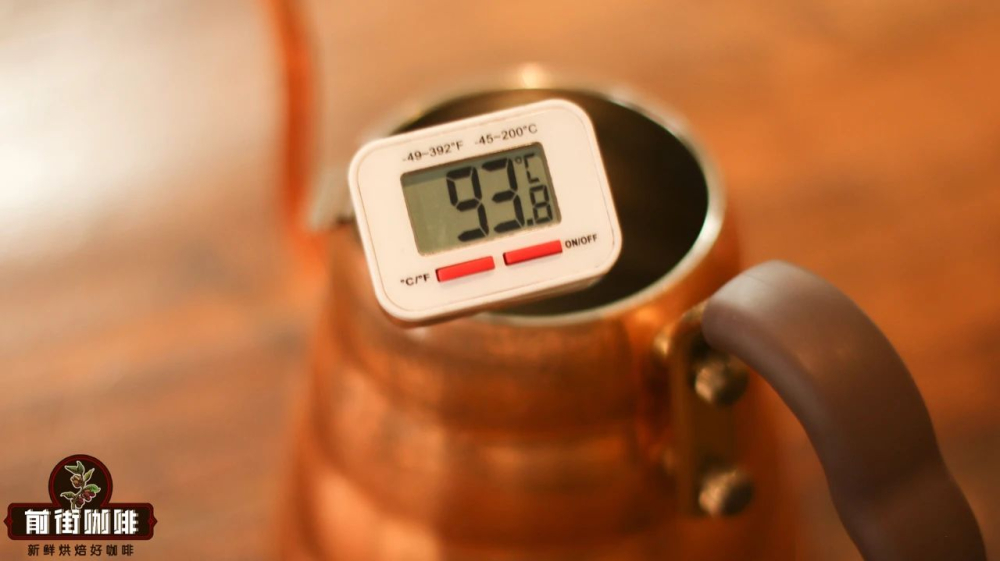
First is the brew ratio setting. A ratio of 1:15 to 1:16 is recommended, as this range offers a high margin for error and allows most coffee beans to express their flavors well within this bracket. Next is the grind size. Since the French press uses a metal filter with visible holes, a coarser grind is advised to prevent clogging. For medium-light roasts, a 20-mesh standard sieve passing rate of about 72–75% is suggested, while for medium-dark roasts, 68–71% is ideal. Regarding water temperature, because the French press relies on steeping, the water should be slightly hotter than for pour over—around 91–94°C for medium-light roasts and 88–91°C for medium-dark roasts.
As for steeping time, multiple tests have shown that most coffee beans perform best at around 4 minutes, striking a balance between flavor and strength. This timing can be fine-tuned based on personal preference. For example, using 15 grams of coffee, it’s recommended to pour 225–240 milliliters of hot water, let the coffee grounds steep for 4 minutes, and when pressing the plunger, it’s best to stop the filter about 1/4 of the way down the carafe to avoid fine particles rising and affecting the taste.
The French press isn’t only good for brewing coffee. Its integrated immersion and filtration design lends itself to a variety of other uses. For instance, it is commonly used as a cupping tool, as its extraction principle closely resembles that of professional cupping—both rely on steeping to reveal the true flavors of coffee. Many professionals even directly adopt the French press brewing method recommended by James Hoffmann for bean evaluation. Moreover, the French press can also be used to brew black tea, with an operation just as straightforward, and its structure is quite similar to commercially available tea infusers.
Interestingly, the French press can also be used to froth milk. While the result may not be as fine as that from a professional milk frother, the manual pressing action is somewhat similar. If you want to make cold foam, you can combine it with a hand frother. Many people wonder whether the French press can be used to make iced coffee—and the answer is yes, with some unique advantages.
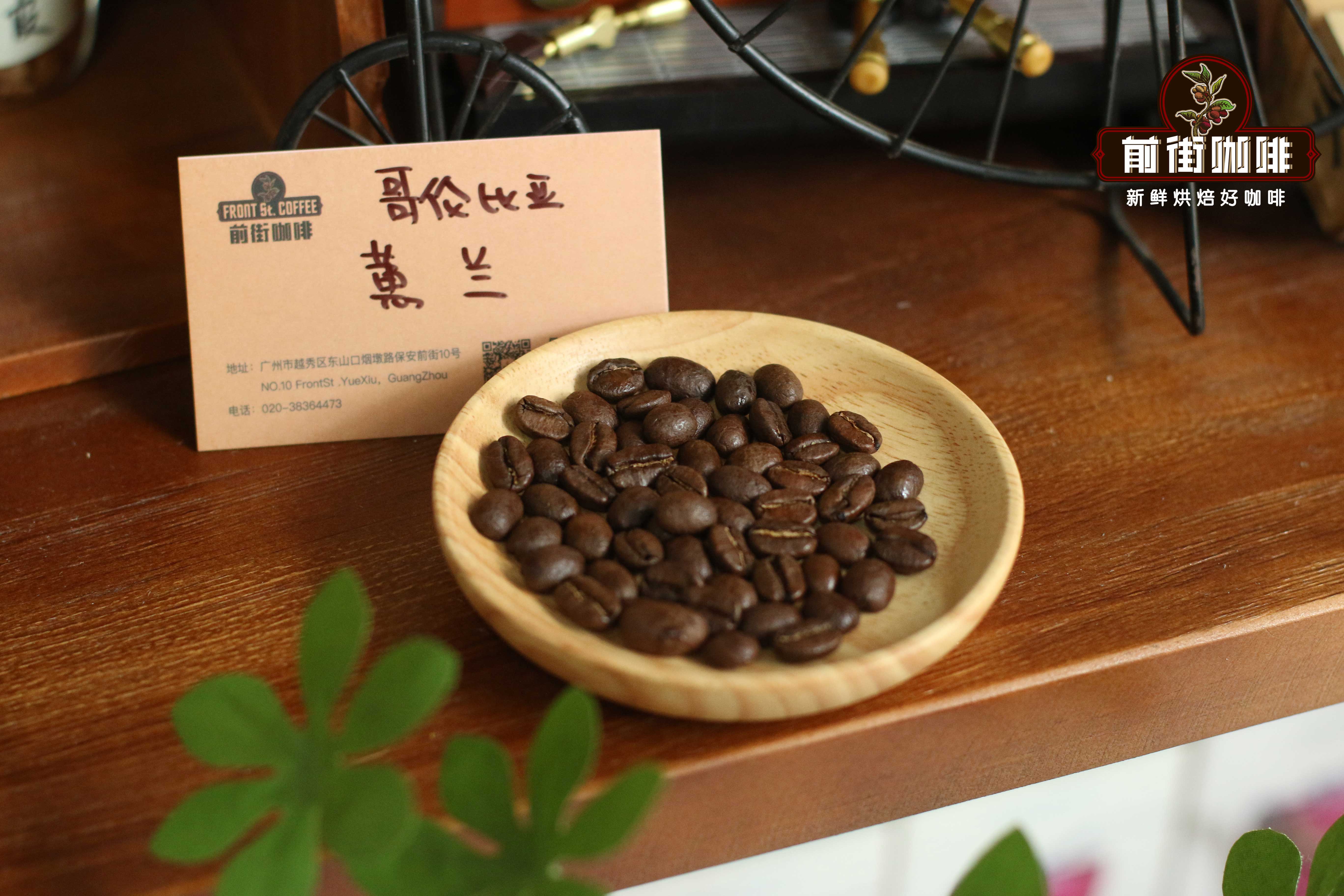
Drawing inspiration from the Japanese iced pour over method, we can first steep a concentrated coffee extract with a smaller amount of hot water, then dilute and cool it with ice cubes. This approach preserves the flavor layers while delivering a refreshing taste. It’s worth noting that light roasts with higher acidity can become thin or develop undesirable off-flavors when diluted during ice brewing. Therefore, it’s recommended to use medium-dark roasts that are rich and carry notes of vanilla or wine, such as Honduran Sherry Coffee Beans, which are an excellent choice.
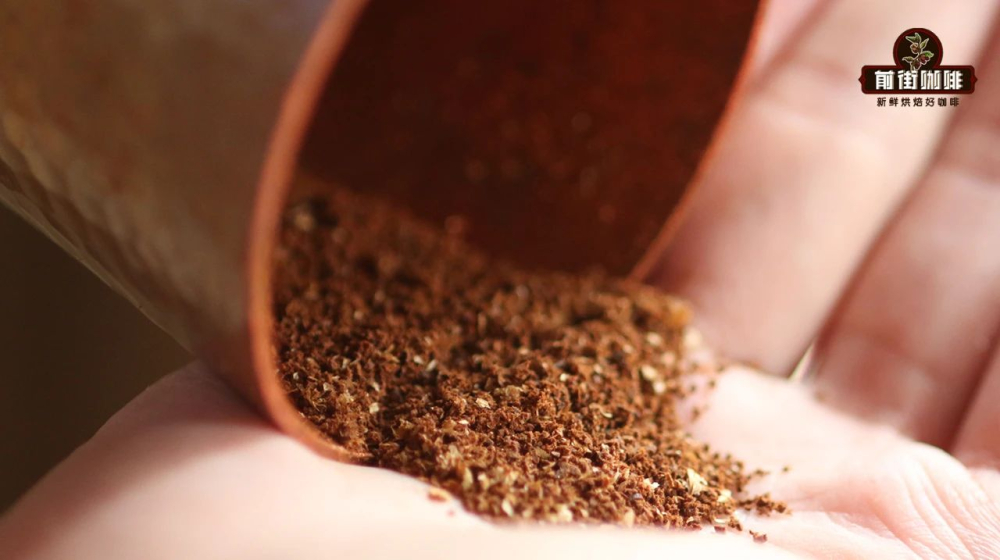
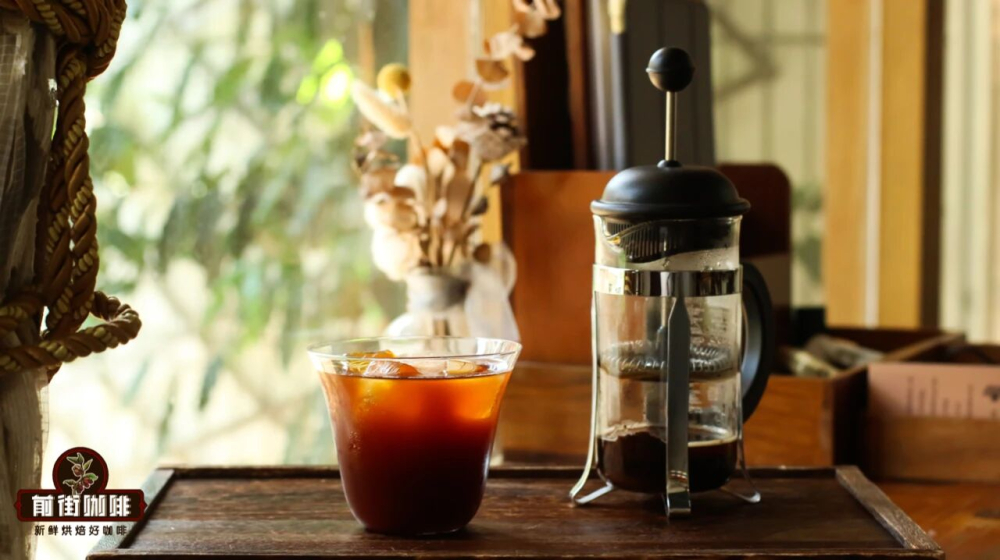
Here’s a specific iced coffee method: prepare a French press, digital scale, glass cup, hot water, and ice cubes. Use 15 grams of coffee with a brew ratio of 1:8, a water temperature of 94°C, and a medium-coarse grind (about 65% passing through a 20-mesh standard sieve). Add the coffee grounds to the press, pour in 120 grams of hot water, and start the timer immediately. After 30 seconds, stir the coffee bed to improve extraction efficiency. Then let it steep until the 3-minute mark, when you should first place 105 grams of ice in the glass cup. At the 3-minute mark, slowly press the plunger down, let it sit for another minute to allow the coffee grounds to settle, and finally, at the 4-minute mark, pour the coffee into the ice-filled cup to complete your rich and flavorful French press iced coffee.
Finally, regarding French press cleaning: since the metal filter retains coffee oils, failure to clean it thoroughly can affect the flavor of subsequent brews. When cleaning, it’s recommended to grip the plunger head firmly and gently unscrew the metal filter section with the other hand. Clean the internal components in sections to ensure no coffee grounds or oil residues remain. After draining, reassemble the press for your next use.
The above content is compiled by CoffeeHunters, a coffee news website.


