







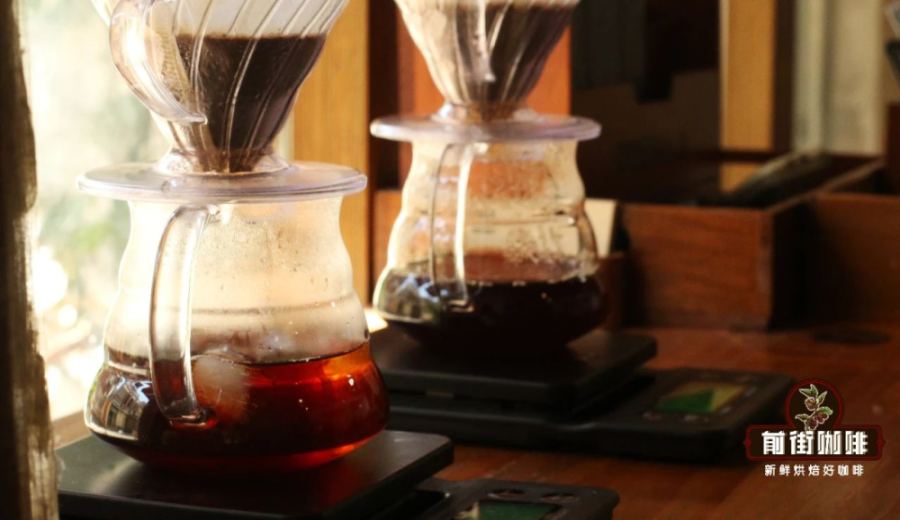
Introduction:The French press is a go-to brewing device for many coffee beginners, known for its simplicity and ability to fully highlight the rich flavors and aromas of coffee. This article will delve into the history and brewing principles of the French press, and provide precise parameters such as the coffee-to-water ratio (1:14 to 1:18), recommended grind size (similar to brown sugar granules), along with a complete ten-step guide from preparation to brewing. Whether you're just getting into pour over or seeking a brewing method that delivers consistent flavor, this guide will help you master the essentials of French press brewing with ease.
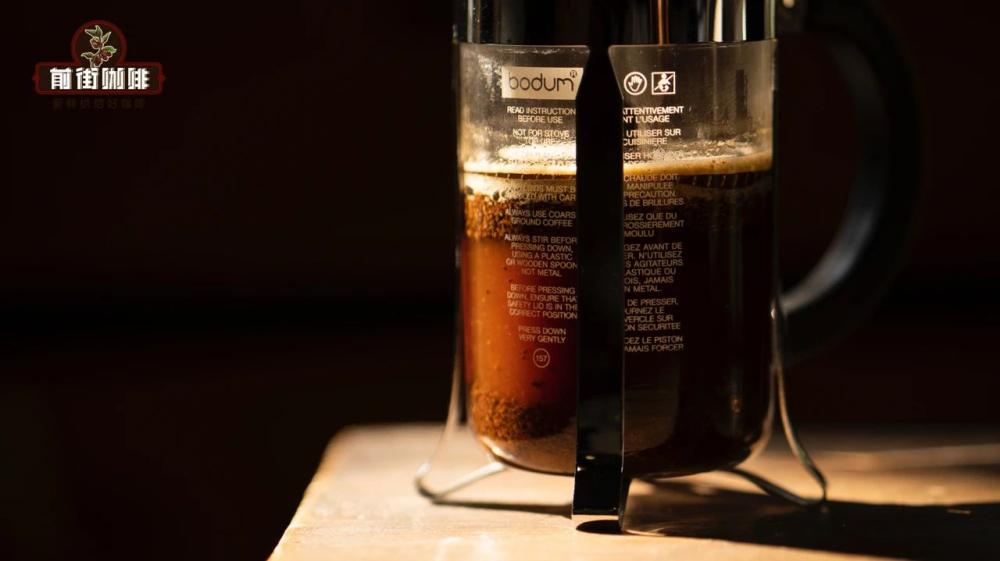
The French press, also known as a French filter press or simply French press, is a coffee brewing device originating from France and introduced around 1850. Its basic structure consists of a heat-resistant glass carafe (sometimes made of transparent plastic) and a plunger with a metal mesh filter. Initially, it was more commonly used for brewing tea, hence it is also referred to as a “tea infuser.” The standout feature of this device is its low barrier to entry, yet it is capable of fully extracting the oils, aromas, and sweetness from coffee — making it especially well-suited for coffee lovers who prefer a full-bodied and rounded mouthfeel.
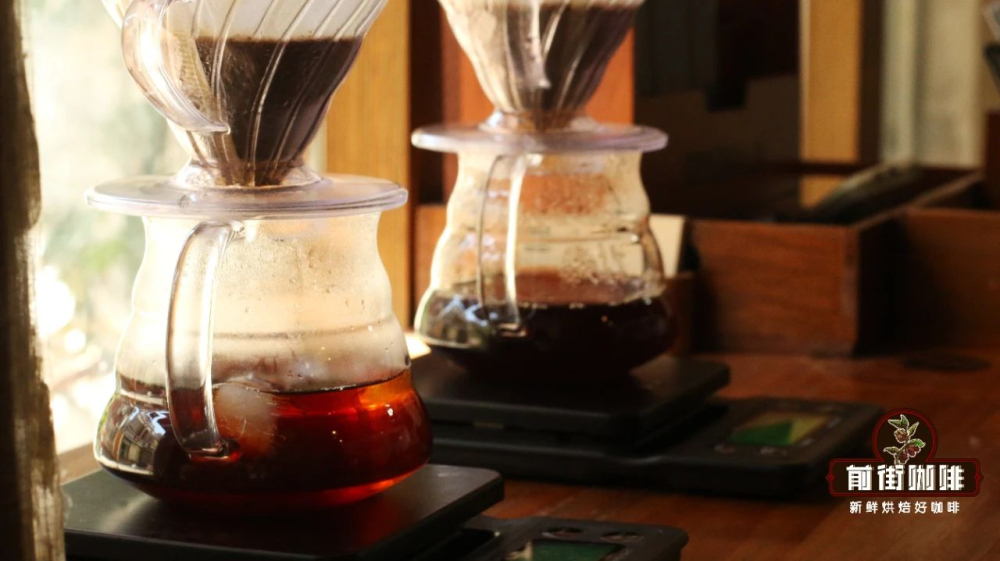
Compared to pour over or espresso machines, the French press offers a simpler brewing process and can achieve extraction results close to those of cupping. Its metal filter keeps coffee grounds in the carafe but also allows some fine particles to pass through, adding slight texture and body to the coffee. Additionally, the French press is highly adaptable to different types of coffee beans; whether dark or medium roast, you can highlight various flavor profiles by adjusting the coffee-to-water ratio and water temperature. For beginners, it’s also an easy tool for reproducing consistent flavors — as long as variables are controlled, results tend to be very similar across different users.
To brew a balanced and full-bodied cup of French press coffee, the key lies in mastering the following core parameters: the recommended coffee-to-water ratio is between1:14 to 1:18— that is, 1 gram of coffee to 14 to 18 milliliters of water; the grind size should be aroundthe size of brown sugar granules, falling within the coarse grinding range. This helps avoid over-extraction and reduces the chance of fine particles passing through the metal filter; as for water temperature, it is generally recommended to stay within85 to 95°C— slightly higher temperatures can be used for light roasts to enhance aroma, while lower temperatures are advised for dark roasts to reduce bitterness.
Before starting your brew, it’s recommended to prepare the following basic tools: a French press, grinder, pour over kettle (or any container with controllable water flow), thermometer, digital scale, timer, and freshly roasted coffee beans. These tools will help you better control each step, improving both success rate and flavor outcome.
Below is the standard ten-step French press brewing process, using a two-person serving size and medium to dark roast beans (such as those with strawberry candy flavor notes):
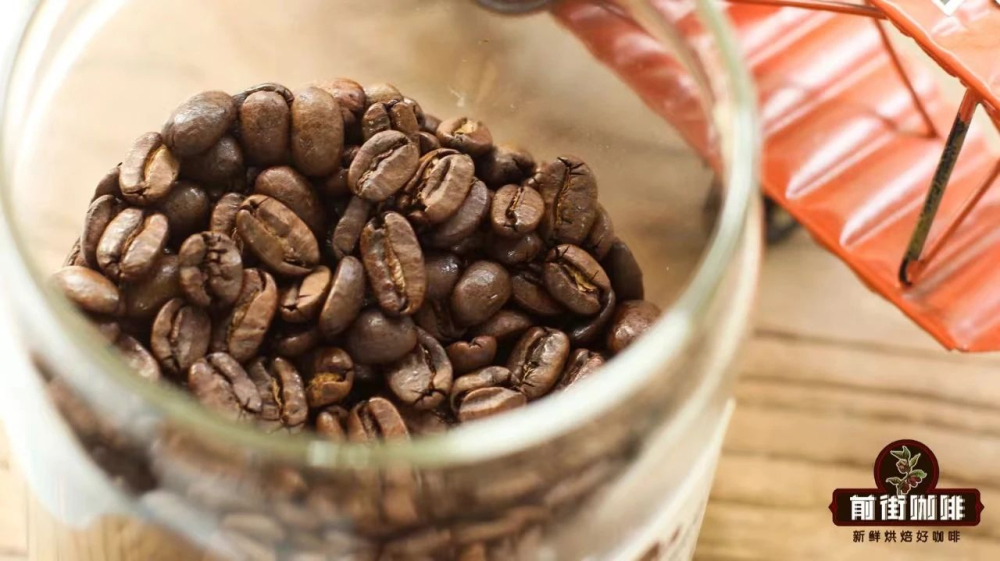
Step one: Use a digital scaleto weigh out 20 grams of coffee beans. It is recommended that the beans be freshly roasted and well stored to ensure optimal flavor performance.
Step two: Heat the water to85 to 95°C, adjusting the temperature based on the roast level — for example, choose a relatively higher temperature for light roasts to enhance aroma, and a lower temperature for dark roasts to avoid over-extraction and bitterness.
Step three: Pour the ground coffee into the preheated French press. The grind size should beas coarse as brown sugar granules; too fine can lead to over-extraction and allow fine particles to pass through the filter, negatively affecting the mouthfeel.
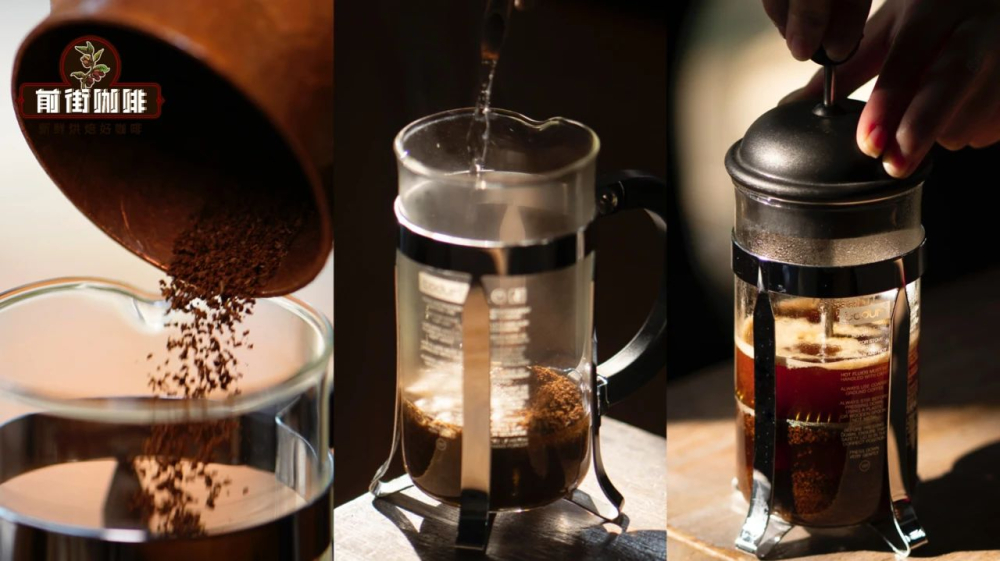
Step four: Begin pouring water, preferably using a circular motion similar to pour over techniques, to evenly saturate all coffee grounds and promote uniform extraction. If your French press has volume markers, you may pour according to them; if not, it's advisable to use a scale to ensure accuracy in the coffee-to-water ratio.
Step five: Pour approximately300 grams of hot water, corresponding to a coffee-to-water ratio of about1:15(this ratio can be adjusted to taste, within the range of 1:14 to 1:18). If your French press does not have volume markings, you can first place the coffee grounds in the press, reset the scale to zero, and then add hot water while weighing — though the density of hot and cold water differs slightly, the margin of error is negligible for home use.
Step six: After pouring, gently stir the coffee grounds and water mixture to ensure all grounds are fully saturated. This step is crucial for achieving even extraction later on.
Step seven: Place the lid on the French press, butdo not press down the plunger. Let the coffee grounds steep for about4 minutes. This duration can be adjusted to taste — too short may result in underdeveloped flavor, while too long may make the coffee overly strong or bring out unwanted notes.
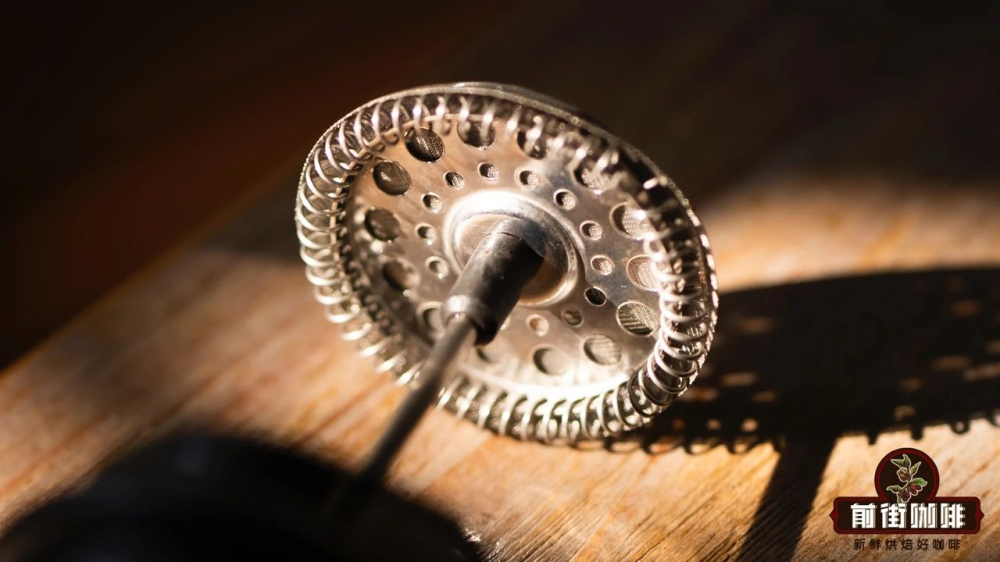
Step eight: Once steeping is complete, slowly press the plunger down to the bottom. Maintain steady and even pressure during this process to avoid pushing too fast, which could force fine particles through the filter and impact clarity and mouthfeel. It is recommended to ease off just before reaching the bottom rather than pressing all the way down.
Step nine: Slowly pour the brewed coffee out, maintaining a stable tilt of the French press to prevent the settled coffee grounds from being disturbed and mixing back into the liquid, which could affect the final flavor.
Step ten: After a brief rest, enjoy a cup of French press coffee with full body and sweet aftertaste. This type of coffee is typically rich in texture and has a pleasant lingering sweetness, making it great with breakfast, light meals, or as a standalone drink.
In summary, the French press is a simple yet highly versatile brewing tool. By mastering the three key elements — coffee-to-water ratio, grind size, and water temperature — even beginners can easily brew satisfying coffee. If you’re looking for a stable, beginner-friendly, and flavor-focused brewing method that highlights the true essence of coffee, starting with the French press is a great choice to experience coffee at its most pure.
The above content is compiled by CoffeeHunters, a coffee news website.


