







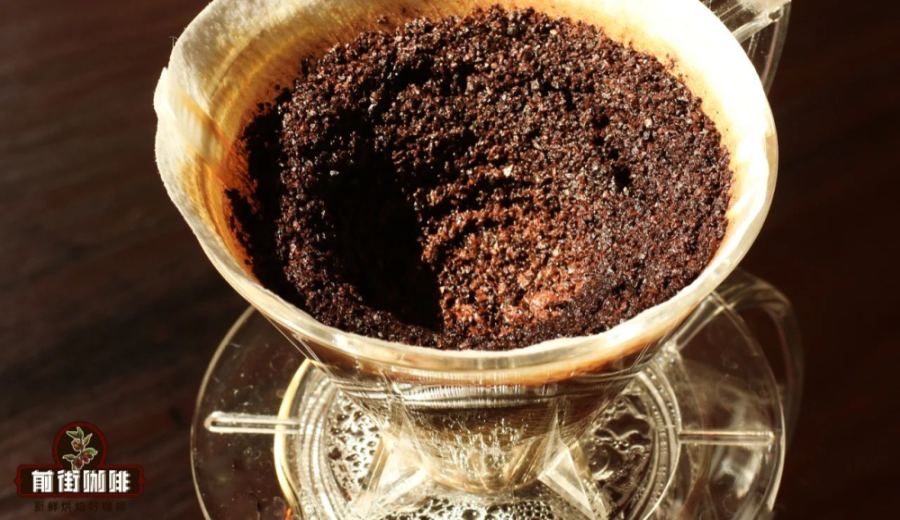
Introduction:Want to improve the extraction quality of your espresso? The key lies in the integrity of the coffee puck. This article dives deep into practical techniques for distributing and tamping coffee grounds — from choosing the right dose, ensuring even layering, to mastering the tamp — step by step, teaching you how to create a compact 58mm puck that effectively reduces channeling, allows water to evenly penetrate the coffee bed, and extracts a more balanced and rich espresso.
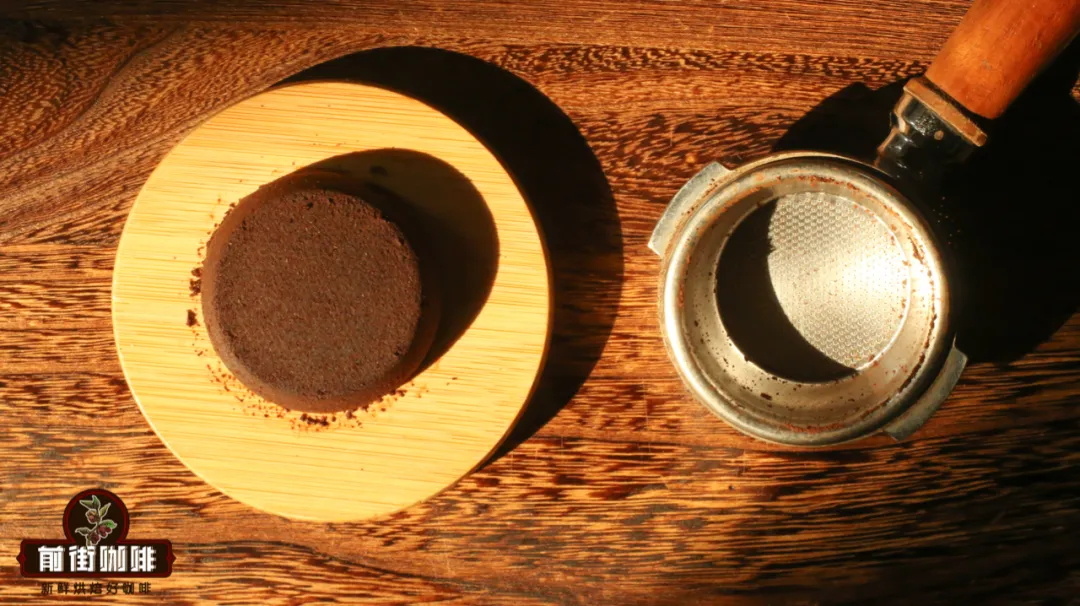
In the process of making espresso, the integrity of the coffee puck is often regarded as an important indicator of extraction quality. While the puck’s integrity doesn’t directly determine flavor, its formation reflects the overall standardization of the brewing process. This 58mm coffee puck needs to withstand approximately 240 kilograms of pressure under 9 bars of high pressure, and the uniformity of the coffee layer will directly affect extraction efficiency and flavor expression.
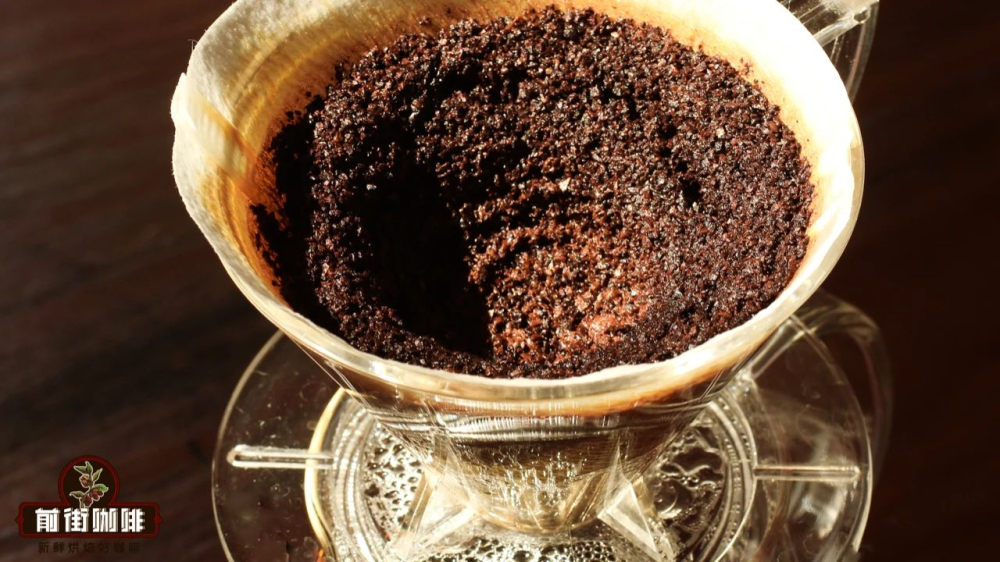
Many coffee enthusiasts pursue the process of knocking out a whole, intact puck, which is actually about ensuring extraction stability. When coffee grounds are evenly compacted, high-pressure hot water can uniformly pass through the coffee bed, avoiding the formation of preferred flow channels. These channels can lead to over-extraction in some areas and under-extraction in others, ultimately resulting in unpleasant bitter or overly sour tastes.
To create an ideal puck, the first task is to choose the correct coffee dose. Commercial portafilter baskets are usually designed with specific capacity ranges, and it is generally recommended to fill between 18 to 21 grams. Dosing outside this range may result in a puck that is too thick or too thin, affecting the proper distance from the group head. This subtle spacing control is crucial — too far can disrupt the surface structure of the coffee bed, while too close may cause difficulty in locking the portafilter or lead to insufficient extraction.
Distribution is a key step that affects the uniformity of the puck. After pouring the ground coffee into the basket, it is recommended to first use your fingers to do a preliminary distribution, moving visibly dense clusters of grounds to sparser areas. This action improves the basic evenness of the coffee layer, and then you can gently tap the portafilter or slightly shake it to help the coffee grounds settle and reduce gaps between particles.If using a distribution tool (distribution needle), it is recommended to lightly stir in a spiral motion for 2–3 rotations, which not only promotes even distribution of the coffee layer but also breaks up any clumps caused by static electricity.
Modern baristas often use various types of distribution tools to optimize this process. Choosing a distributor that fits the size of your basket can help form a more consistent coffee layer in terms of thickness and density. When operating, keep the basket and distributor at a vertical angle, and distribute the coffee grounds in a circular motion. This action effectively fills gaps within the coffee layer, laying a solid foundation for the subsequent tamp.

The tamping stage determines the final density and flatness of the puck. When using a tamper,it is recommended to apply a stable pressure of 30–40 pounds (approximately 13–18 kilograms), which is enough to form a compact coffee layer without over-compressing it, which could create excessive resistance to water flow. The key is to maintain even pressure distribution to avoid uneven surfaces such as left-right or center depressions.
A common tamping technique used by professional baristas is: using the thumb and index finger to stabilize both sides of the tamper, while the remaining three fingers and palm firmly wrap around the handle, with the arm applying vertical downward pressure. This grip ensures stable pressure transfer and creates a flat puck surface. For those seeking consistency, a calibrated tamper is an effective tool to solve uneven tamping force, ensuring the same pressure is applied every time.
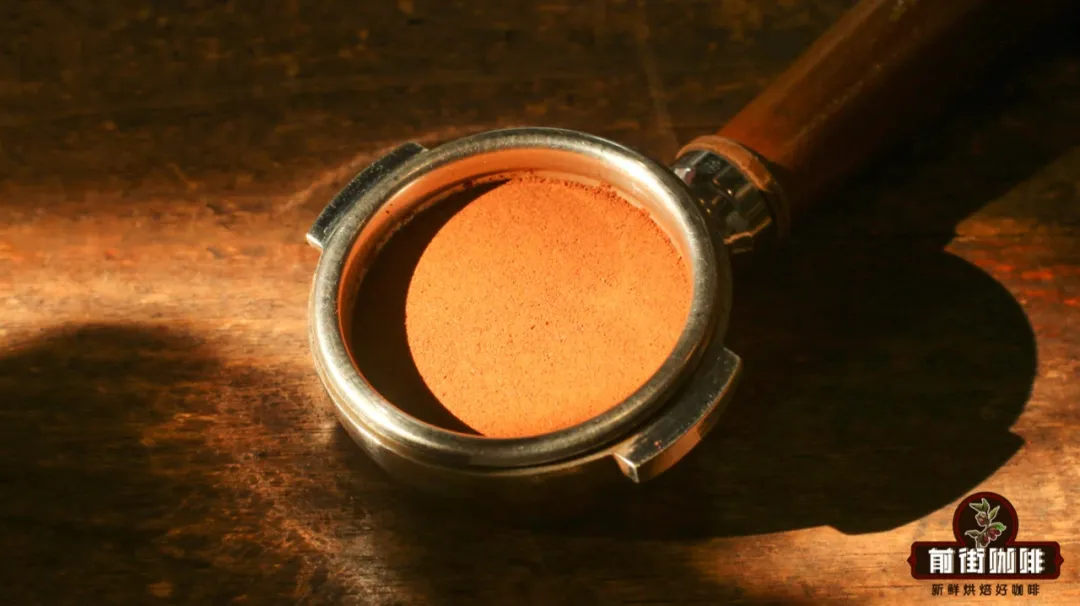
After tamping, be especially careful when attaching the portafilter to avoid bumping and deforming the coffee layer. Ensure the portafilter is fully seated against the group head — this step maintains the structural integrity of the puck. When high-pressure hot water passes through this carefully crafted puck, the water will evenly penetrate the entire coffee bed, extracting an espresso that is both flavorful and smooth.
Remember, crafting the perfect puck is a skill that requires practice. From dose selection, distribution techniques, to tamping methods, each step influences the final extraction quality. Through continuous practice and adjustment, you’ll master this technique and significantly improve the success rate and flavor profile of your espresso extractions.
The above content is compiled by CoffeeHunters, a coffee news website.


