








Introduction:Tasting Mandheling coffee isn’t difficult—if you follow the right steps, you too can distinguish its flavor layers and quality differences. This article will guide you through a comprehensive analysis of how to evaluate a cup of Mandheling coffee, from aroma, taste, flavor, mouthfeel to aftertaste, using PWN Golden Mandheling as an example to help you master professional tasting techniques through sensory experience.
Tasting coffee, especially varieties as distinctive as Mandheling, is not about intuition but follows a systematic method. By mastering five key elements—aroma, taste, flavor, mouthfeel, and aftertaste—you can professionally analyze the strengths and weaknesses of a coffee and accurately express your own impressions. This article uses PWN Golden Mandheling as a practical case, taking you step-by-step through hands-on evaluation so you can evolve from a beginner into a connoisseur capable of delicately identifying the traits of coffee.
Step 1: Aroma — The Sensory Activation Starting from Grinding
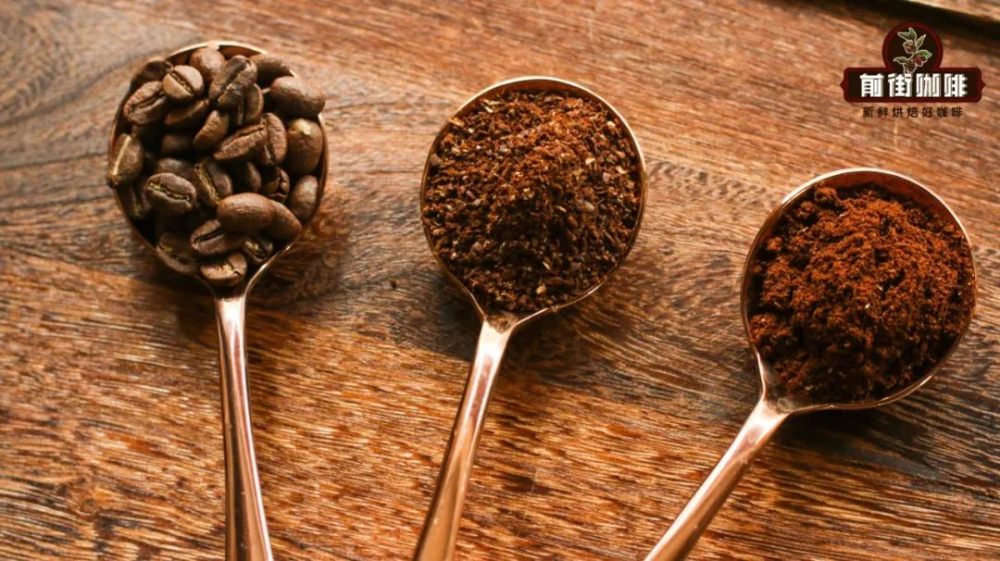
Many people think that coffee aroma is only released after brewing, but in fact, the aromatic compounds inside the beans begin to volatilize significantly during the grinding stage. Therefore, the first step in coffee tasting begins the moment you grind the beans. Through orthonasal olfaction, we can capture the dry fragrance wafting in the air—that is, the original aroma of the coffee grounds before they come into contact with water. This stage’s aroma is the most intense and serves as an important basis for assessing the flavor potential of the coffee beans.
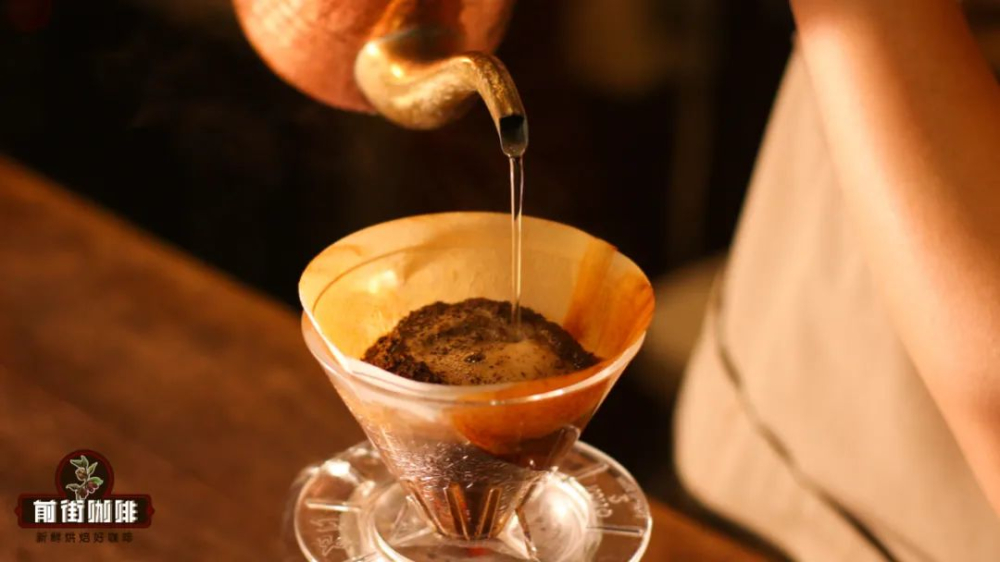
Subsequently, when hot water meets the coffee grounds, the wet aroma is released. Compared to the dry aroma, the wet aroma may be less intense, but it often reveals deeper or more delicate aromatic qualities, sometimes even forming an interesting contrast with the dry aroma. Generally speaking, medium to light roasted Mandheling tends to emit distinct floral and fruity notes, while medium to dark roasts present more caramel, chocolate, or spicy, rich aromas. During practice, try using specific descriptors like “rich cardamom aroma” or “subtle lemon blossom notes” to help build your own aroma memory bank.

Step 2: Taste — Finding Balance Among Acidity, Sweetness, Bitterness, and Saltiness
When you take your first sip of coffee, what you perceive first are the basic tastes: acidity, sweetness, bitterness, and saltiness. These four taste sensations are key to evaluating the foundational flavors of coffee. However, tasting isn’t just about asking “Is there acidity?” but rather further discerning the quality of the acidity—what the industry commonly refers to as “acidity profile.”
High-quality acidity brings a bright, lively, or even refreshing sensation, such as the clearly identifiable citric acid or malic acid, which can enhance the overall drinking enjoyment. Poor acidity, on the other hand, may come across as sharp, sour, or even hard to swallow. Similarly, whether the sweetness is pronounced, the bitterness is excessive, or the saltiness is balanced—all are important details that affect the overall performance of the coffee.
Step 3: Flavor — Discovering Associations from the Intersection of Smell and Taste
Flavor is the most captivating and challenging part of specialty coffee tasting. It’s not just about taste alone but the associations evoked in the mouth by the combination of smell and taste—such as familiar foods or scents like fruits, nuts, chocolate, flowers, or spices.
Many people get stuck at the stage where they can only describe “acidic, sweet, bitter,” but can’t articulate specific flavors. This is often due to a lack of associative training. To reach the flavor level, it’s recommended to taste coffees from different origins and try linking the taste experience to everyday life. For example, if you sense a distinct citrus character paired with bright acidity, you might describe it as “refreshing citrus acidity,” or even further associate it with imagery like lemon peel or orange juice.
Step 4: Mouthfeel — Sensing the “Weight” of Coffee with Your Body
Mouthfeel, often referred to as “body,” describes the “weight” or “fullness” of coffee in the mouth. This isn’t a taste but a tactile experience. Imagine skim milk being as light as water, whole milk being rich and smooth, and cream being thick and heavy—coffee mouthfeel has similar layered variations.
High-bodied Mandheling often gives a solid, rounded mouth-coating sensation, while low body feels relatively clean and light. This sensation mainly comes from the coffee’s oils, fibers, and dissolved solids, directly influencing your intuitive judgment of the coffee’s “weight.” During practice, try using different types of milk as a reference to help you quickly grasp this tactile language.
Step 5: Aftertaste — The Lingering Aroma After Swallowing
The final step in coffee tasting is experiencing the aftertaste after swallowing. This is a stage many overlook, yet it’s highly indicative. Aftertaste refers to the lingering aroma in the mouth and nasal cavity after the coffee is swallowed, typically perceived through retronasal olfaction.
High-quality Mandheling coffee often has a long-lasting, multi-layered aftertaste, possibly accompanied by honey-like sweetness, tea-like freshness, or subtle spice notes, lasting up to several seconds or even longer. Conversely, if the aftertaste is short, dry, or carries unpleasant flavors, it may indicate room for improvement in extraction or bean quality. When evaluating aftertaste, focus on two aspects: duration and aroma quality.
Practical Analysis: Tasting Characteristics of PWN Golden Mandheling
Take the PWN Golden Mandheling as an example. This coffee is made exclusively from Indonesian G1 grade green beans sized 18 mesh and above, with an extremely low defect rate, and undergoes multiple rounds of manual sorting to ensure the consistency of each bean’s quality and appearance. After light-to-medium roasting, its dry aroma exhibits a rich roasted hazelnut profile, with prominent caramel notes during blooming.
Upon tasting, you can perceive intense black chocolate, nut, and caramel flavors, along with clear sweet fruit notes. As the temperature drops, spicy undertones gradually emerge, adding complexity. The overall mouthfeel is full-bodied and multi-dimensional, with a balanced and long-lasting finish—making it a classic representation of the Mandheling variety that combines complexity with clarity.

The above content is compiled by CoffeeHunters, a coffee news website.


