







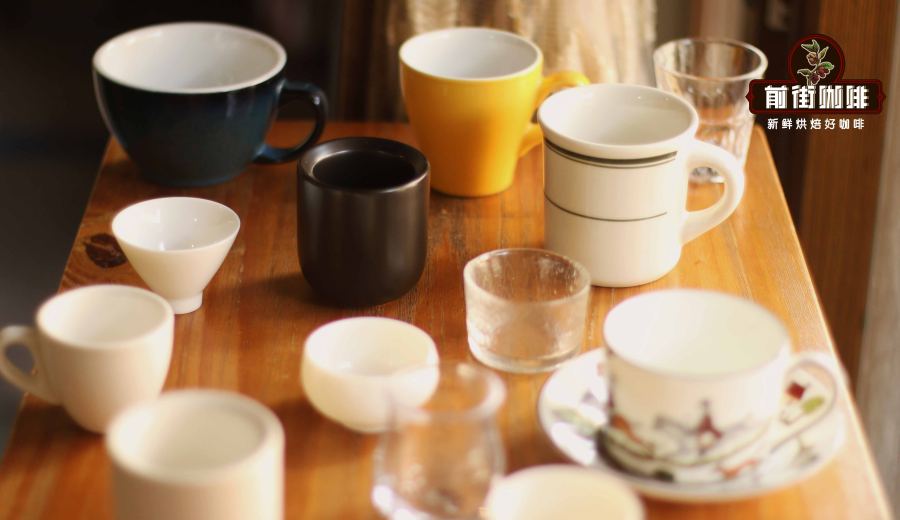
Introduction:Did you know? The size of a coffee cup not only affects its visual appeal but also directly impacts flavor expression and drinking experience. From the small ceramic cups used for espresso to the larger ones commonly paired with milk-based drinks, each size is designed with specific logic in mind. This article delves into the practical uses of three common coffee cup sizes—60ml, 180–200ml, and 300ml—along with relevant parameters and brewing suggestions, helping you choose the right cup based on coffee type to elevate your home coffee experience.
Walk into a specialty café, and you’ll notice the row of ceramic cups lined up behind the bar aren’t placed there at random. Each size corresponds to the optimal presentation method for a specific type of coffee. The volume of a coffee cup often directly reflects the intensity of the beverage—the smaller the cup, the more concentrated the coffee flavor compounds per unit volume, resulting in a stronger taste.
Taking the three most common cup types as examples: about60mla small-sized cup is primarily used to serve espresso-based coffee;180 to 200mlmedium-sized cups are the classic pairing for Americanos and cappuccinos; while300mllarger cups with wider mouths are the ideal choice for milk-based coffees like lattes and mochas. Understanding these basic pairings allows you to replicate a professional-level coffee flavor experience at home.
The most common small coffee cup is typically made of white ceramic, with a standard capacity of around60ml. The design of this size cup is intended to perfectly showcase the layers and crema of an espresso. Taking a standard double shot of espresso as an example, using20gcoffee grounds and extracting it over28 secondsyields40gof espresso, which just fills this small cup, forming a rich golden crema layer. Not only is this visually appealing, but it also helps slow down the loss of coffee temperature, maintaining the optimal flavor window.
Another practical function of this small cup is as a sharing vessel for single-origin pour over coffee. When you want to taste beans from different regions, the compact cup allows the unique aroma of each coffee to be more concentrated and released, facilitating detailed comparisons.

Moving up to medium-sized coffee cups, the cup height increases noticeably, with a volume range of about180 to 200ml. This cup type pairs perfectly with two classic coffees: Americanos and cappuccinos. When making an Americano, it’s recommended to use40gespresso as the base and add160ghot water to create a 1:4 ratio. This preserves the core flavor of the espresso while diluting it with water to bring out a richer array of aromatic layers, especially highlighting common tasting notes in blends such as vanilla, cream, and chocolate.
As for cappuccinos, the key lies in the texture of the milk foam and the pouring technique. Using20gespresso paired with160mlsteamed milk foam, it’s important that the foam is evenly thick. Pour in a circular motion from the center of the cup, allowing the white foam to rise naturally and form a “cap” structure. The final visual should be about 11⁄10 full—a classic shape originating from the hooded cowls worn by Italian monks, which is the origin of the name “cappuccino.”

The standard capacity of a large coffee cup is300ml. Its wide mouth is particularly suitable for milk-forward coffees like lattes and mochas. Taking a classic hot latte as an example, the ideal ratio is40mlespresso paired with260mlhot milk. It’s recommended to use a pouring technique that circles the cup, allowing the milk and coffee to fully integrate. This not only creates a silky texture but also makes the natural sweetness of lactose in the milk enhance the coffee’s acidity and aroma more distinctly.
It’s worth noting that wide-mouthed large cups offer more space for latte art. Professional baristas often take advantage of this to create more intricate leaf vein or heart-shaped designs. In addition, the larger capacity helps maintain the drink’s temperature, making it especially suitable for leisurely sipping over time.
The above content is compiled by CoffeeHunters, a coffee news website.


