








Introduction:An in-depth exploration of Yunnan’s three major coffee varieties — Typica, Bourbon, and Catimor — covering their historical origins, varietal characteristics, flavor profiles, and optimal roasting and pour over strategies. Whether you’re just getting into coffee or a specialty enthusiast seeking high-quality Yunnan beans, this guide will help you grasp the unique personality and brewing essentials of each variety.
Yunnan coffee, also commonly known as “Yunnan small bean,” is renowned for its plump, even-sized beans and rich, well-balanced flavor. In recent years, with the growing awareness of specialty coffee domestically, more and more consumers have begun to pay attention to the coffee potential nurtured in this land. The most widely planted and representative varieties in Yunnan include Typica, Bourbon, and Catimor. This article will delve into the background of their introduction, varietal evolution, and flavor expressions, supplemented by actual roasting curves, cupping notes, and pour over parameters, offering a practical and insightful analysis of Yunnan coffee varieties.
Let’s start with the most historically significant variety in Yunnan coffee — Typica. The history of this variety dates back to 1904, when French missionary Téodore Monod introduced Typica seeds from Vietnam to Zhugula Village in Binchuan County, Yunnan, successfully planting them for the first time, which is regarded as the origin of coffee cultivation in Yunnan. These early-planted Typica beans also became one of the cornerstones of Yunnan coffee’s quality in later years. By the 1930s, the well-known overseas Chinese leader Liang Jinshan further promoted coffee cultivation to the regions of Puliang and Luoming. It wasn’t until 1952, under the leadership of Baoshan Tropical Economy Research Institute expert Ma Guojin, that large-scale planting began in areas such as Ludian and has continued to this day.
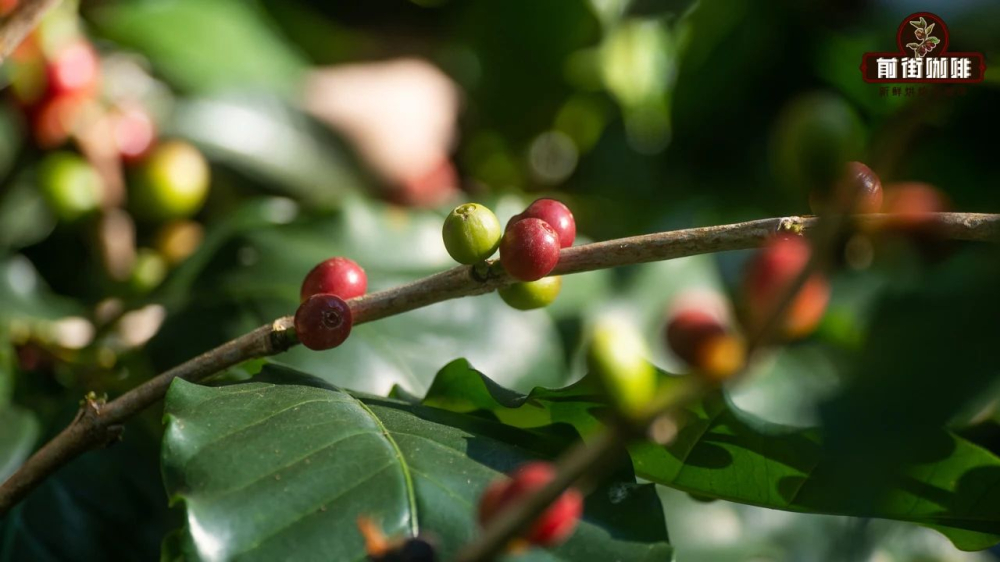
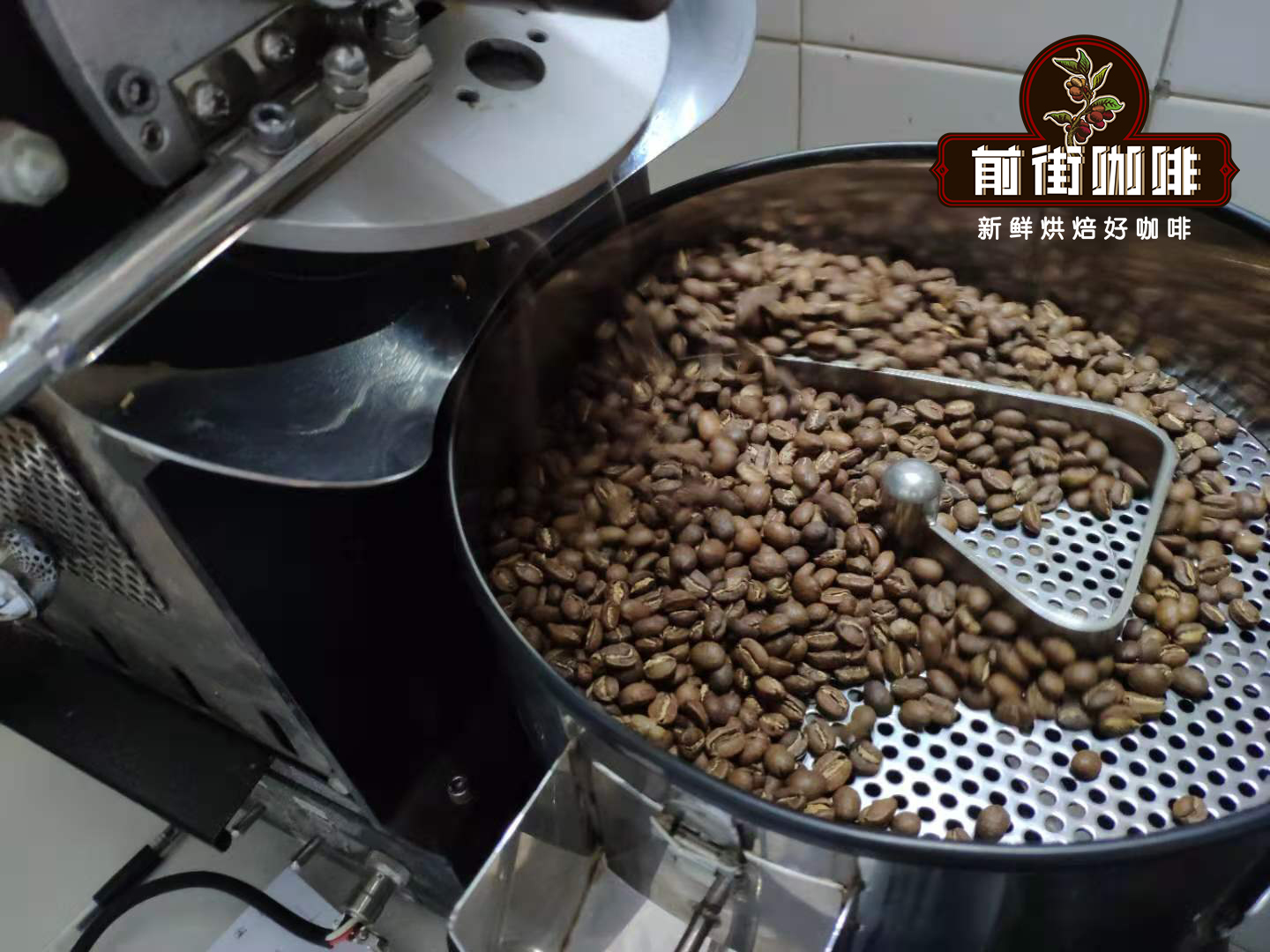
Take the “Huaguoshan Typica” produced in Baoshan, Yunnan, at an altitude of about 1,200 meters as an example. This washed coffee bean, when roasted with a medium-slow profile, can fully showcase its delicate and balanced characteristics. For roasting, it is recommended to use a Yangjia 600g semi-direct-fire machine, with a charge temperature of 200°C. Start with an air vent setting of 3, adjust the heat to 160°C after 30 seconds, and pay attention to the turning point around 1 minute and 33 seconds. As the beans turn yellow and the grassy aroma fades, gradually reduce the heat and increase the air vent. First crack begins around 9 minutes and 7 seconds. Maintain slight adjustments to heat and airflow, and finish roasting at 198°C to preserve its floral and fruity aromas along with a rich mouthfeel.
When cupping this Typica, you can perceive distinct fruitiness and melon notes, with layers of nuts and milk chocolate emerging in the mid-palate. The finish carries a lively brightness with plum-like acidity, achieving an overall balance of sweet and sour with a full body. As the temperature slightly drops, the apricot and citrus acidity become clearer, with a lingering aftertaste reminiscent of the soft sweetness of black tea and brown sugar. For brewing, it is recommended to use 15 grams of coffee, a 1:15 brew ratio, water at 88°C, with a V60 filter and medium-fine grind (80% through a #20 sieve). Begin with a 30-second bloom using 30 grams of water, then pour in two stages to reach 225 grams total, with a total extraction time of about 2 minutes to help highlight the flavors clearly.
Next, we look at the most widely planted variety in Yunnan today — Catimor. This is a hybrid variety bred for disease resistance and high yield. It originated in East Timor in 1959, resulting from a cross between the Brazilian Bourbon mutation Caturra and Timor, which carries Robusta genes, thus having approximately 25% Robusta heritage. This characteristic gives Catimor excellent resistance to leaf rust and high productivity, but also results in relatively ordinary aromatics, and a tendency to exhibit noticeable bitterness, astringency, or even undesirable musty flavors.
Starting in 1992, Nestlé initiated a coffee improvement program in Yunnan, introducing the Catimor variety, which gradually became the dominant planted variety in the region. Nowadays, what is commonly referred to as “Yunnan small bean coffee” mostly points to this variety. Taking a washed Catimor from the Baoshan growing area at an altitude of 1,200 meters as an example, it is recommended to use a Yangjia 800N roaster. Suggested charge temperature is 190°C, with initial heat at 120 and air vent at 3. The turning point occurs around 1 minute and 40 seconds, and as the beans turn yellow, gradually adjust the heat and airflow. First crack starts around 9 minutes, and after stable development for 3 minutes, finish roasting at 198°C to maintain a solid flavor foundation.
During cupping, this Catimor exhibits an Asian herbal character, with a smooth mouthfeel, bright acidity that stimulates saliva production, and a rich layering. The finish offers sweet notes of dark chocolate, honey, and cane sugar, with caramelized sugar flavors becoming more pronounced as it cools. For brewing, it is recommended to use 15 grams of coffee, a 1:15 brew ratio, and water at 88°C, using a V60 filter and medium-fine grind. Employ a segmented pouring method: after a 30-second bloom with 30 grams of water, pour up to 125 grams and then continue to 225 grams. Total brew time should be controlled to around 2 minutes to enhance its tea-like quality and full-bodied texture.
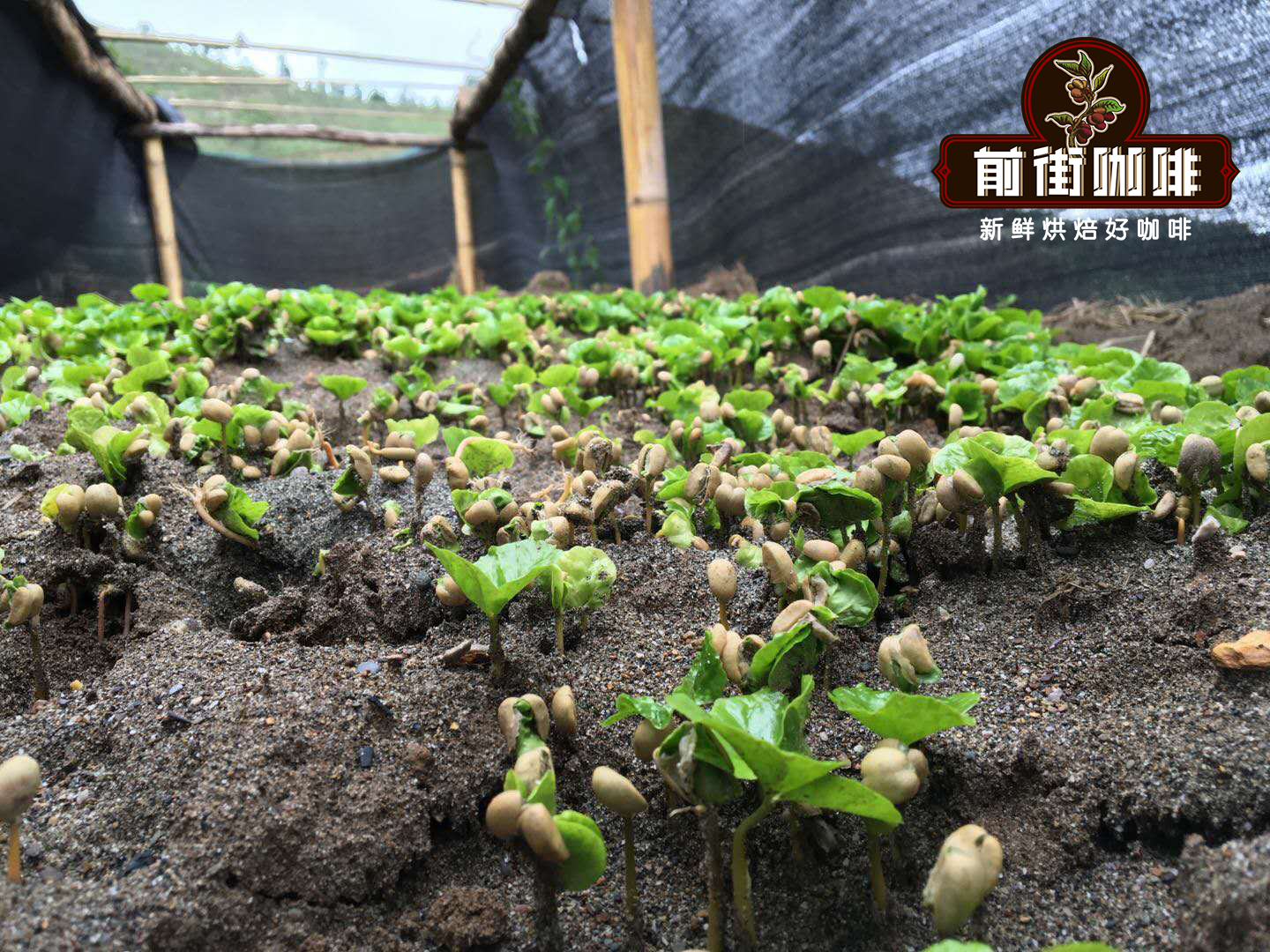
Finally, we cannot overlook Bourbon, a classic variety known for its elegant aromatics and rich flavors. Bourbon originated from the Mocha round-seed variety in Yemen and was introduced to the French territory of Bourbon Island (now Réunion Island) in 1708, hence its name. Compared to Typica, Bourbon has slightly higher yields and more vibrant cupping profiles, but is relatively less resistant to pests and diseases and is more sensitive to environmental changes. Its young leaves and shoots are green, hence it is also called “green-tipped coffee.” It has a more open tree shape with dense lateral branches and high fruit yield, making it suitable for high-altitude regions between 1,200–2,000 meters.
According to a 1981 survey, the ancient coffee forest in Zhugula Village, Yunnan, had a Bourbon variety presence of up to 69%. Although the current scale of Bourbon cultivation in Yunnan is limited and mostly experimental, it still holds great potential for high-quality drinking. With further optimization of planting and processing techniques in the future, Bourbon could become another flagship of Yunnan specialty coffee.
In summary, Yunnan’s Typica showcases delicate and elegant fruitiness with a balanced sweet and sour profile; Catimor excels with a solid mouthfeel and high-yield traits, making it ideal for everyday drinking; while Bourbon, though not mainstream, boasts impressive aromatic potential. Understanding the characteristics of these three major varieties along with their key processing, roasting, and brewing elements will help you more accurately appreciate the diverse profile of Yunnan coffee. Whether you’re roasting your own beans or selecting a coffee, you’ll be able to make more informed choices.

The above content is compiled by CoffeeHunters, a coffee news website.


