







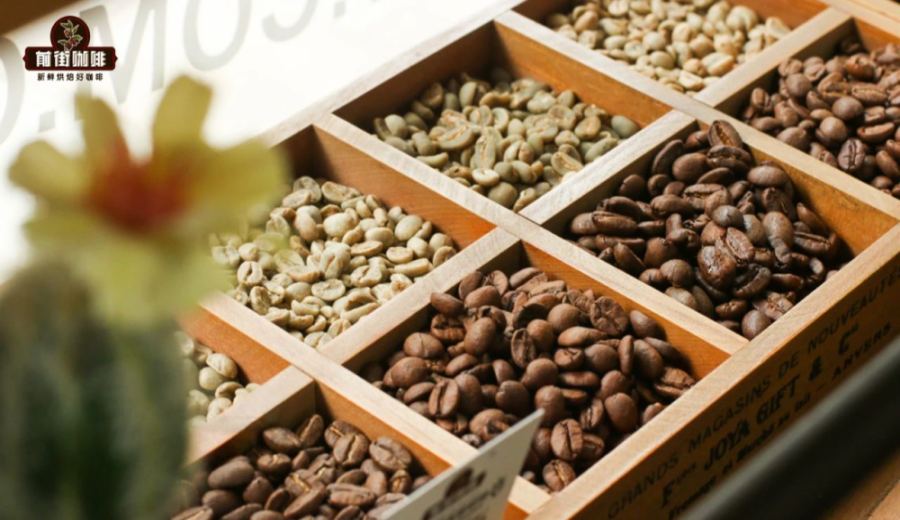
Introduction:Want to roast your own coffee beans at home to achieve your ideal flavor profile, but always struggle with mastering heat and timing? This article provides a detailed breakdown of the SC-AA eight-level roast degree reference standards, covering everything from the extremely light roast with an Agtron color value of 95 to the bold espresso roast at 25. We analyze the color transitions, aroma characteristics, and optimal drop timings for each stage. We also share practical tips for drum roasting, including heat control, rotation speed maintenance, and how to avoid common mistakes—helping you refine your hands-on roasting skills step by step, from green beans to cup flavors.
More and more coffee enthusiasts are no longer satisfied with buying pre-roasted beans and are turning to home roasting to pursue flavors that better suit their personal taste preferences. However, many encounter issues such as uneven bean color, over-roasting, or under-roasting on their first attempts. In reality, the final balance of acidity, sweetness, and bitterness in coffee is closely tied to the roast level and uniformity. Before diving into the flavor profiles associated with various roast color values, let’s first understand the basic methods and precautions for roasting coffee beans at home.
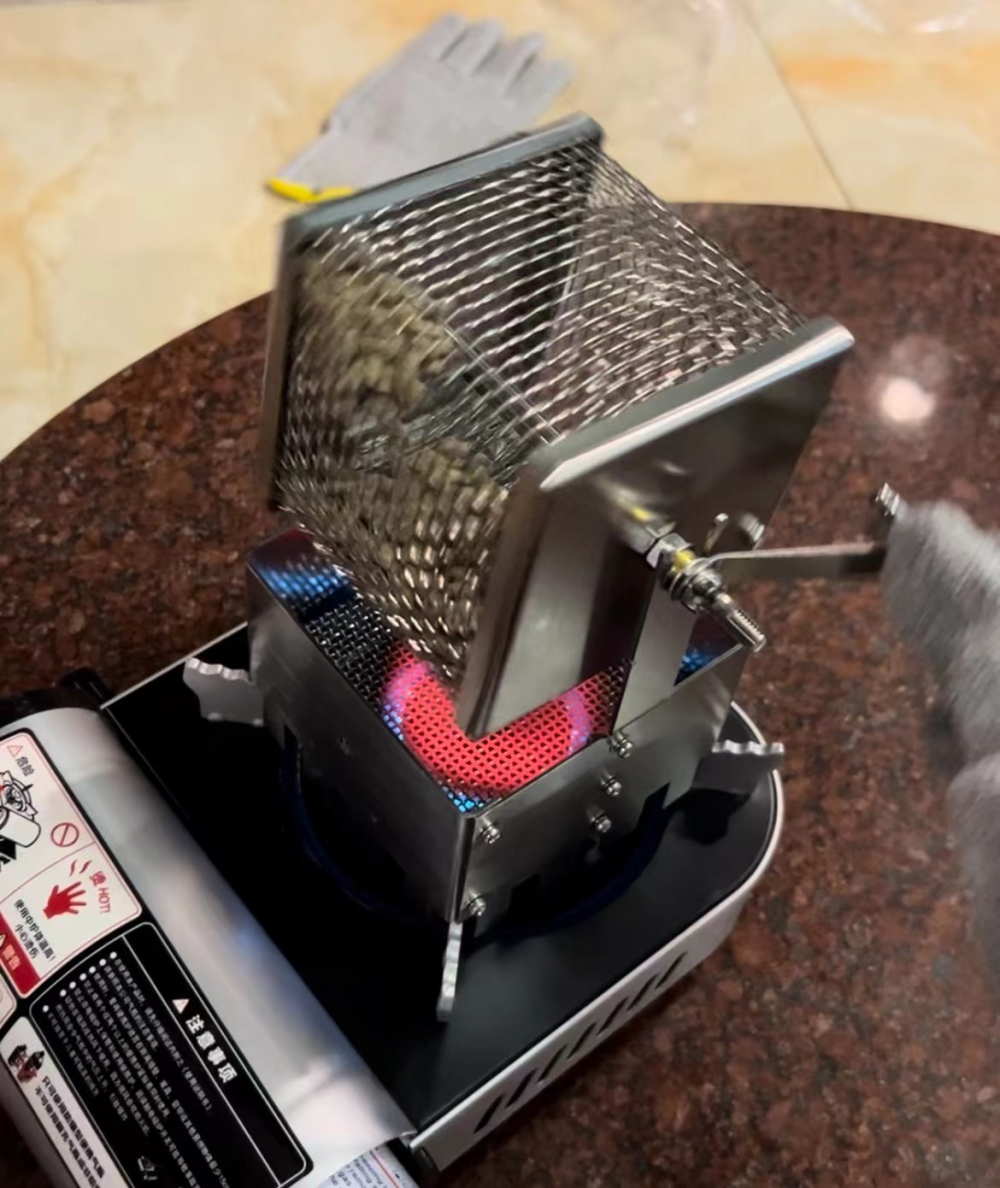
There is a wide variety of home roasting tools available, ranging from frying pans and ovens to air fryers—all tried by enthusiasts—but these devices generally lack features for bean agitation and even temperature distribution, which can easily lead to uneven heating. Therefore, it’s recommended that beginners opt for drum-style roasting tools, which allow coffee beans to be evenly heated as they rotate, making them a more ideal choice for home use.
Based on practical experience, there are two key points to keep in mind when using a drum roaster: first, maintain a low heat throughout the process—high heat can cause the bean surface to blacken quickly while the interior remains under-roasted; second, after igniting and adjusting the heat, place the drum above the heat source and immediately begin rotating it at a steady speed of 60 to 65 rotations per minute. Compared to professional roasting machines, drum roasting typically takes more than double the time. For example, using a typical home setup to roast Brazilian Cerrado region Red Bourbon beans, the time from first crack to drop is about 3 minutes and 30 seconds, with the entire process taking around 13 minutes to reach a medium-dark roast level.
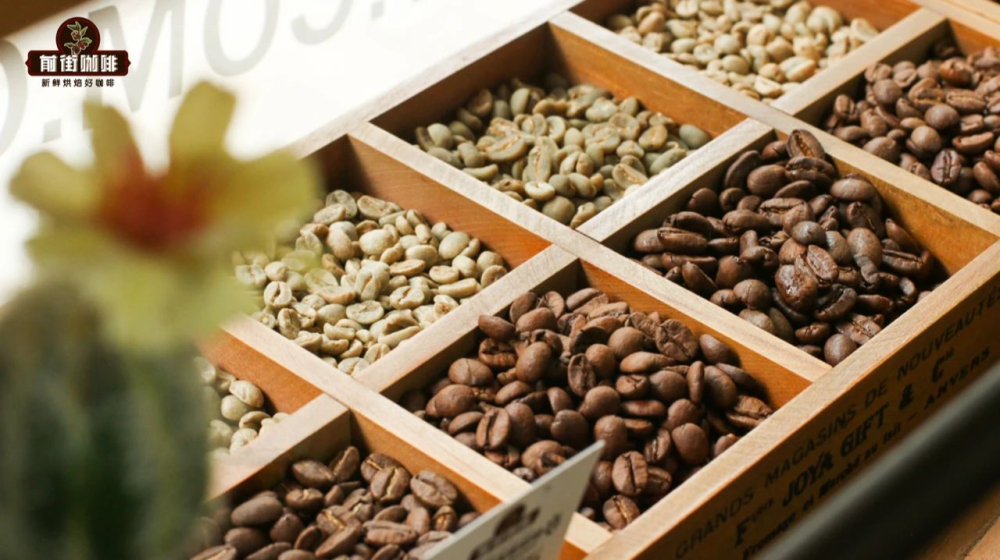
However, if using a drum roaster to achieve a similar roast effect, the total time may extend to 31 minutes. Throughout this lengthy process, it’s essential to maintain a consistent rotation speed—any slowdown or pause can easily result in localized scorching. While manual operation is more labor-intensive, it allows you to witness the beans gradually transform from green to yellow, emitting a sweet aroma reminiscent of corn; then turning cinnamon-colored, with warm caramel notes; and finally entering the chocolate phase, releasing rich nutty and toasted aromas—the process is full of surprises and therapeutic satisfaction.
Commercially available coffee beans can be roughly categorized by roast level into acidic light roasts, bitter dark roasts, and medium roasts that balance acidity and bitterness. The globally recognized specialty coffee organization SCAA has established eight main roast color value grades to help coffee enthusiasts identify and control roast levels:
The lightest Agtron color value of 95 falls under “Light Roast,” typically dropped during the first crack’s rolling phase (when the beans are continuously popping), with flavors dominated by bright acidity—ideal for those who prefer a fresh-tasting cup.
An Agtron color value of 85 is termed “Cinnamon Roast,” dropped around the end or just after the first crack subsides. This stage features pronounced acidity with subtle sweetness, suitable for brewing methods that highlight fruity acidity.
An Agtron color value of 75 is “Medium Roast,” generally dropped right after the first crack has fully ended. Sweetness increases, acidity becomes relatively softer, and it’s the preferred roast level for many pour over enthusiasts.
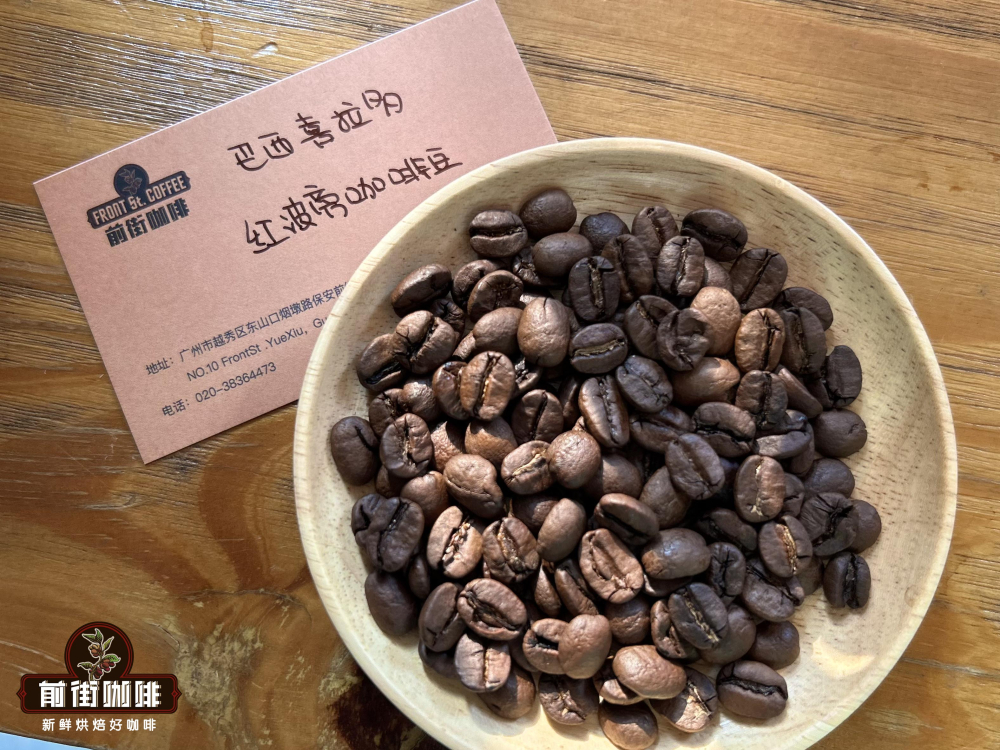
An Agtron color value of 65 is “High Roast,” dropped approximately 1 to 2 minutes into the silent period between the end of the first crack and the start of the second crack. Flavors are dominated by nuts and caramel, with acidity almost disappearing, resulting in a balanced and mellow mouthfeel.
An Agtron color value of 55 is “City Roast,” typically dropped at the very beginning of the second crack. Bitterness and caramel aromas become more pronounced, suitable for those who enjoy a bolder flavor.
An Agtron color value of 45 is “Full City Roast,” dropped just before the second crack becomes dense. The flavor is intense and leans toward burnt bitterness, a classic choice for dark roast lovers.
An Agtron color value of 35 is “French Roast,” dropped during the dense phase of the second crack. The bean surface begins to show oil sheen, with a rich and smoky flavor profile.
Finally, an Agtron color value of 25 is “Italian Roast,” dropped at the end of the second crack. The beans appear pitch-black and shiny, with a rich surface oil layer, commonly used as the base for espresso.
In practice, most home or commercial roasting does not exceed a color value of 65 for depth, as overly dark roasting tends to mask the beans’ original flavors, leaving only a single note of burnt bitterness. Additionally, for beginners in drum roasting, it’s not recommended to hastily attempt very light roast levels—if heat control is poor, it may result in undercooked bean cores, leading to a grassy or astringent taste after brewing. Mastering the correlation between color values and timing is key to roasting coffee beans with rich and layered flavors.
The above content is compiled by CoffeeHunters, a coffee news website.


