








Introduction:Latte coffee, with espresso as its base and milk as its soul, is the go-to choice for many people entering the world of coffee. This article delves into the definition and historical origins of the latte, provides advice on selecting coffee beans and milk, and details the standard preparation process for both hot and iced lattes—including extraction parameters, frothing techniques, and blending essentials—so you can easily make a classic latte with fine microfoam and balanced flavor at home.
"Latte," derived from the Italian word "Latte," refers to a style of coffee that perfectly blends espresso with milk. This beverage is known for its smooth and velvety texture, and even those who don’t usually drink coffee are often drawn to its sweet and rich flavor. This article will start with the historical background and then gradually break down the various elements of making a latte, including the selection of coffee beans and milk, hot latte extraction and milk frothing techniques, as well as a simple ratio method for iced lattes, helping coffee enthusiasts master the key points of making it at home.
 "I'm either in a café or on my way to one." This famous quote vividly captures Italians' love for coffee, and the latte is an indispensable part of many Italians' daily lives. A rich and aromatic latte in the morning can quickly invigorate both body and mind, bringing a good mood for the whole day. So, what exactly is a latte, and how can you make a satisfying version? Let’s find out.
The so-called "latte" is actually the Chinese transliteration of the Italian word "Latte," belonging to a major category of specialty coffee and also a classic combination of espresso and milk. During preparation, an appropriate proportion of milk is added to the rich espresso, and the gentle texture of the milk neutralizes the original bitterness and heaviness of the coffee, making the overall flavor softer and sweeter. Even those who don’t drink coffee often can easily accept this taste.
Interestingly, the prototype of latte coffee can be traced back to the 17th century in the musical capital—Vienna. At that time, the retreating Turkish army left behind a large amount of coffee beans, which became the raw material for the city's first coffeehouse. To cater to European tastes, the shop owners filtered out the coffee grounds and added an appropriate amount of milk, making the originally strong black coffee more palatable. This innovation gradually popularized the pairing of milk and coffee around the world, becoming the prototype of today's latte.
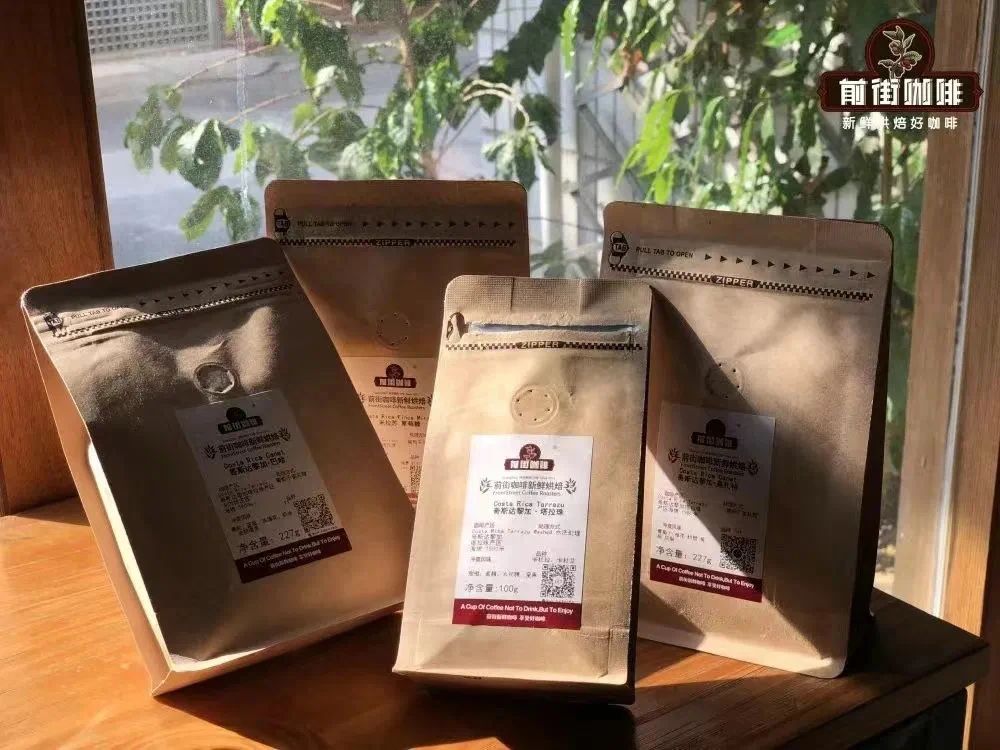
To make a satisfying latte, the selection of coffee beans and milk is crucial. Although the basic ingredients only require espresso and milk, the quality of the ingredients directly affects the final flavor. It is generally recommended to use espresso blends with good stability, as these beans are usually a mix of coffees from multiple regions and are roasted to a medium or darker level, which can release rich crema. This not only helps with milk foam integration but also makes the espresso taste fuller, suitable for all kinds of milk-based coffee.
If you choose single-origin beans, although they can showcase unique regional flavors, they require more precise extraction control; otherwise, uneven flavors or unstable extractions may occur. Some professional shops use blends specifically designed for espresso extraction, such as beans that combine sun-dried red cherry and sherry cask flavors, which can present multiple layers like wine aroma, vanilla, cream, and chocolate in iced lattes. It’s worth noting that freshly roasted coffee beans (especially within one week of roasting) may be overly affected by active carbon dioxide during extraction, so it’s recommended to let them rest for 7 to 10 days and use them within 45 days after roasting to achieve the best flavor.
Extraction is one of the key steps in making a standard latte. Taking a double shot of espresso as an example, it is recommended to use 18 to 20 grams of coffee powder, following a 1:2 coffee-to-water ratio to extract about 40 grams of coffee liquid. The extraction time is generally controlled between 20 to 35 seconds, with the ideal range being 28 to 30 seconds. Too short a time may result in insufficient flavor, while too long can lead to burnt or bitter notes.
Before starting the extraction, prepare a ceramic coffee cup, a milk pitcher, and fresh milk. First, evenly fill the coffee powder into the portafilter basket, use a distribution tool to level the coffee surface, and then apply vertical pressure with a tamper to ensure a compact coffee puck. Next, turn on the espresso machine, run water for 1 to 2 seconds to wet the group head and clear any residual grounds. After placing the portafilter on the group head, begin extraction. Observe the scale reading; when the coffee liquid reaches 40 grams and the time is around 30 seconds, the extraction is complete, and you can pour it into the coffee cup.

Milk frothing relies on the steam wand of the espresso machine. Taking a 300 ml latte cup as an example, it is recommended to pour about 240 ml of milk, as the volume will expand after frothing. Start by purging the steam wand to remove moisture, then insert the steam tip just below the milk surface and proceed in two stages: first, create microfoam by frothing at a lower position; then raise the pitcher so the steam hole is deeper in the center of the milk, rotating to create a denser foam. The final milk foam should be about 1 cm thick, smooth on the surface with no large bubbles, and have good fluidity.
The final step is blending and latte art. Slowly pour the frothed milk into the espresso, starting with a slightly higher pour to blend. Once it reaches about three-quarters full, lower the pitcher to let the foam rise to the surface, then use wrist movements to create patterns, finishing by lifting the pitcher to create a simple heart-shaped latte art design.
As for iced lattes, the preparation method is relatively simple, similar to an iced americano, with water simply replaced by milk. It’s recommended to first add about 100 grams of ice cubes to the cup, then pour in 180 grams of milk, and finally add the espresso, stirring thoroughly before drinking. Common online coffee-to-milk ratios generally range between 1:4 and 1:8, and the actual ratio can be adjusted according to the flavor characteristics of the coffee beans. For example, dark roast beans with intense flavors can have the milk ratio increased to 1:6 to balance the taste; light roast beans, on the other hand, are recommended to use less milk, maintaining a ratio of 1:4 to 1:5 to fully highlight the fruit acidity and floral notes of the coffee itself.
The above content is compiled by CoffeeHunters, a coffee news website.


