







Introduction:The moka pot is one of the most common coffee brewing devices in Italian households. Its simple operation and rich flavor have made it a favorite among beginners and coffee enthusiasts alike. This article provides a detailed breakdown of the moka pot’s structure, correct usage steps, key parameters, as well as practical advice on bean selection and grinding to help you brew espresso-style coffee with an Italian flair at home.
As a classic representation of Italian coffee culture, the moka pot stands out with its distinctive design and relatively easy operation, often becoming many people’s first professional coffee tool. It not only quickly extracts a strong coffee similar to espresso but also allows for customization in strength and serving style—whether enjoyed hot or mixed with milk for a latte, it’s highly versatile.
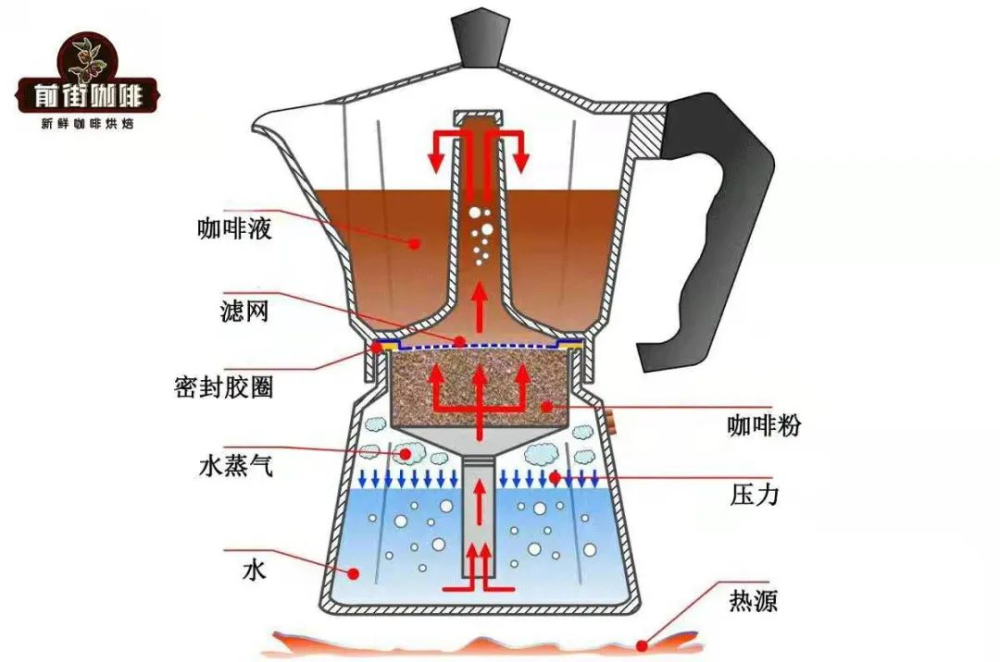
Before diving into how to use a moka pot, let’s first get familiar with its basic structure. A typical moka pot consists of three main parts: the upper chamber, the lower chamber, and the funnel-shaped filter basket in the middle. The lower chamber holds water and is heated to generate steam pressure; the middle filter basket holds the ground coffee; and the upper chamber collects the brewed coffee pushed through by the pressure. When heated, the water in the lower chamber turns into steam, creating pressure that forces the hot water upward through the coffee grounds, extracting a rich array of flavor compounds.
When using a moka pot, it’s recommended to choose medium to dark roasted coffee beans. These beans typically feature rich notes of caramel, nuts, and chocolate, which interact well with the high-pressure extraction method of the moka pot. Additionally, for optimal extraction, it’s best to use freshly roasted beans—ideally within 5 to 14 days of roasting—when the residual carbon dioxide and aromatic compounds inside the beans are most active, helping to create a full-bodied taste and a rich crema layer.
Before you begin brewing, prepare the following tools: the moka pot itself (preferably made of stainless steel and compatible with induction stovetops), an electric or gas stove, a suitable grinder, as well as freshly roasted coffee beans and clean water. Please note: do not use cold water, as it will prolong the contact time between water and coffee grounds, leading to over-extraction and bitter flavors. Instead, use water that is close to room temperature or slightly warm. This helps shorten the brewing time and reduces the risk of over-extraction.
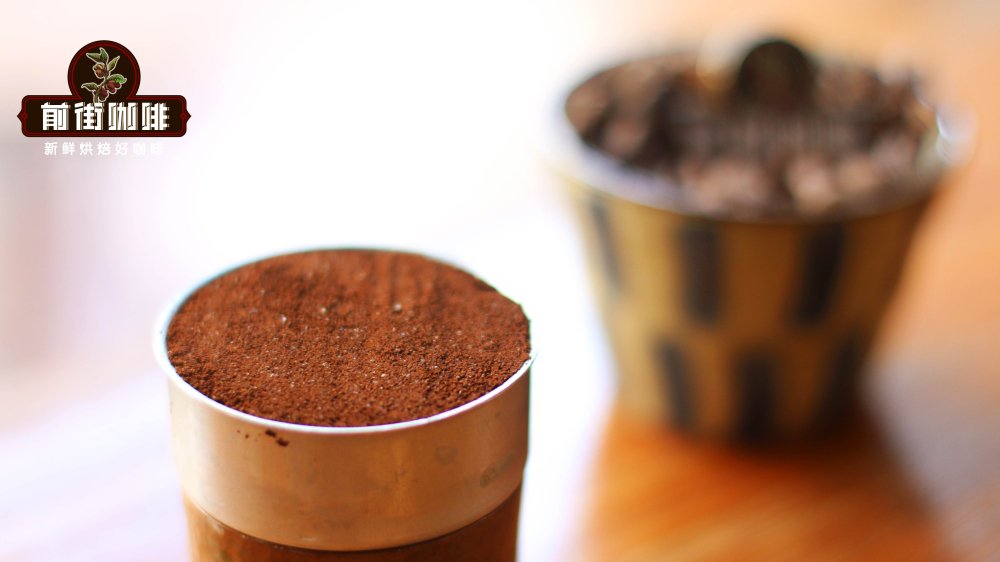
Regarding grind size, the coffee grounds for a moka pot should be finer than those used for pour over but slightly coarser than those used in commercial espresso machines. Using a common grinder scale as a reference, adjust to around #3 to #3.5 on an EK43s, with a texture similar to very fine granulated sugar. If the grind is too coarse, water will pass through too quickly, resulting in under-extraction and weak flavor; if it’s too fine, excessive resistance can cause overly high pressure, which may lead to spraying and increase the risk of over-extraction.
Here are the specific steps: First, pour hot water into the lower chamber. The water level should be about 0.5 cm below the safety valve—this amount is roughly 100 grams of water. If you’re using about 20 grams of coffee grounds, the coffee-to-water ratio will be approximately 1:5, which is a common and moderate espresso ratio. Next, add the appropriate amount of ground coffee into the filter basket, spread it out gently, and then level the surface evenly with your fingers, ensuring the coffee bed is compact but not overly tamped.
Place the filled filter basket back into the lower chamber, then securely screw on the upper chamber to ensure there are no air leaks or gaps between the two sections. Put the moka pot on the heat source. It’s recommended to use a small to medium flame, preferably on an electric stove, as it provides stable heat and easier flame control. As the temperature rises, you’ll begin to hear a hissing sound from inside the pot—this indicates that the water is turning into steam and starting to build pressure.
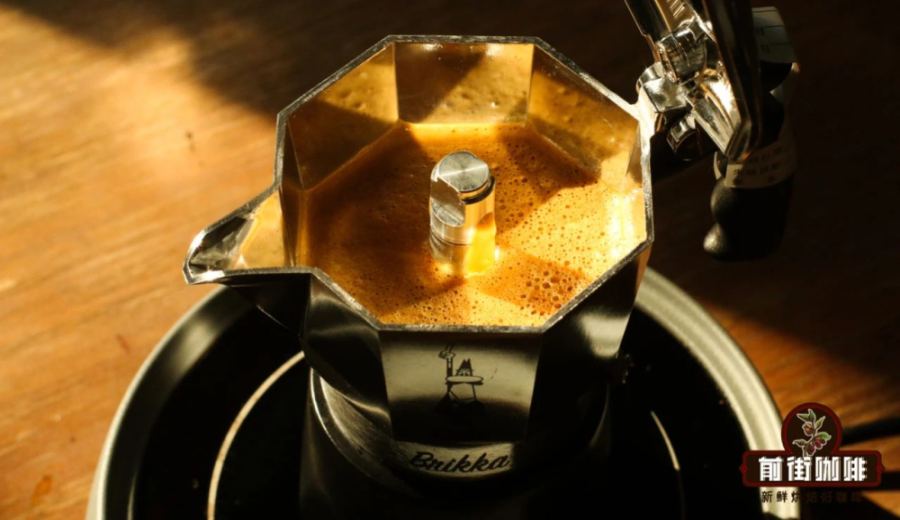
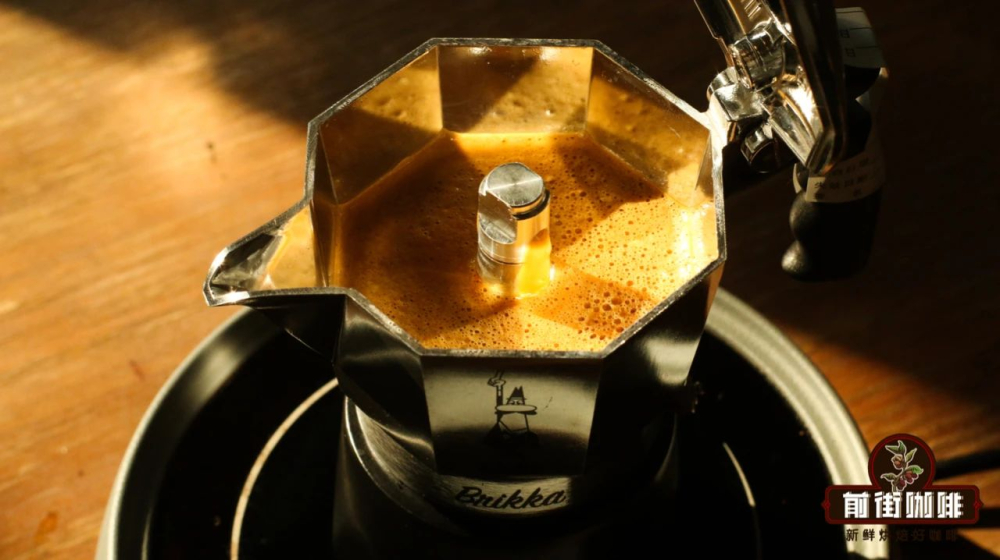
Once you hear a distinct hissing sound, reduce the heat and observe the flow of coffee into the upper chamber. When the coffee starts to slowly flow into the upper chamber and reaches about halfway up, it’s time to turn off the heat. At this point, the remaining pressure and heat inside the pot will continue the final stage of extraction without needing further heating. Be cautious—the metal parts of the moka pot will become very hot during the entire process, so handle with care to avoid burns.
The brewed coffee will have a dark, glossy appearance and a strong coffee aroma. This coffee, brewed using a classic Italian blend (including beans from Brazil, Indonesia’s Mandheling, and Vietnam), features pronounced notes of caramel, almonds, and chocolate, along with a lingering black cocoa aftertaste. It’s excellent for drinking straight or adding hot milk to make milk-based drinks like lattes or cappuccinos.
If you want the coffee brewed with your moka pot to have a richer crema layer, it’s recommended to use freshly roasted, medium to dark roasted coffee beans. The carbon dioxide and volatile aromatic compounds produced during the roasting process are released during pressure brewing, helping to form a thick, creamy top layer. As the beans age, these gases gradually dissipate, affecting the final aroma and crema quality. Therefore, choosing beans with a more recent roast date can significantly enhance the brewing performance of your moka pot.
The above content is compiled by CoffeeHunters, a coffee news website.


