







Introduction:Brazil is the world’s largest coffee-producing country, renowned for its full-bodied, balanced, and nutty-chocolatey flavor profile, making it the go-to entry point for many beginners exploring specialty coffee. This article delves into two of Brazil’s most celebrated coffee-growing regions—the Cerrado Mineiro in Minas Gerais and the Mogiana in São Paulo—highlighting their terroirs and varietal characteristics. It also explores the differences between Red Bourbon and Yellow Bourbon, details Brazil’s coffee grading system based on defect rate, cupping score, bean size, and flavor performance, and provides practical pour-over parameters and segmented brewing tips. By comparing the flavor profiles of two classic beans, the guide helps readers better appreciate the allure of Brazilian coffee.
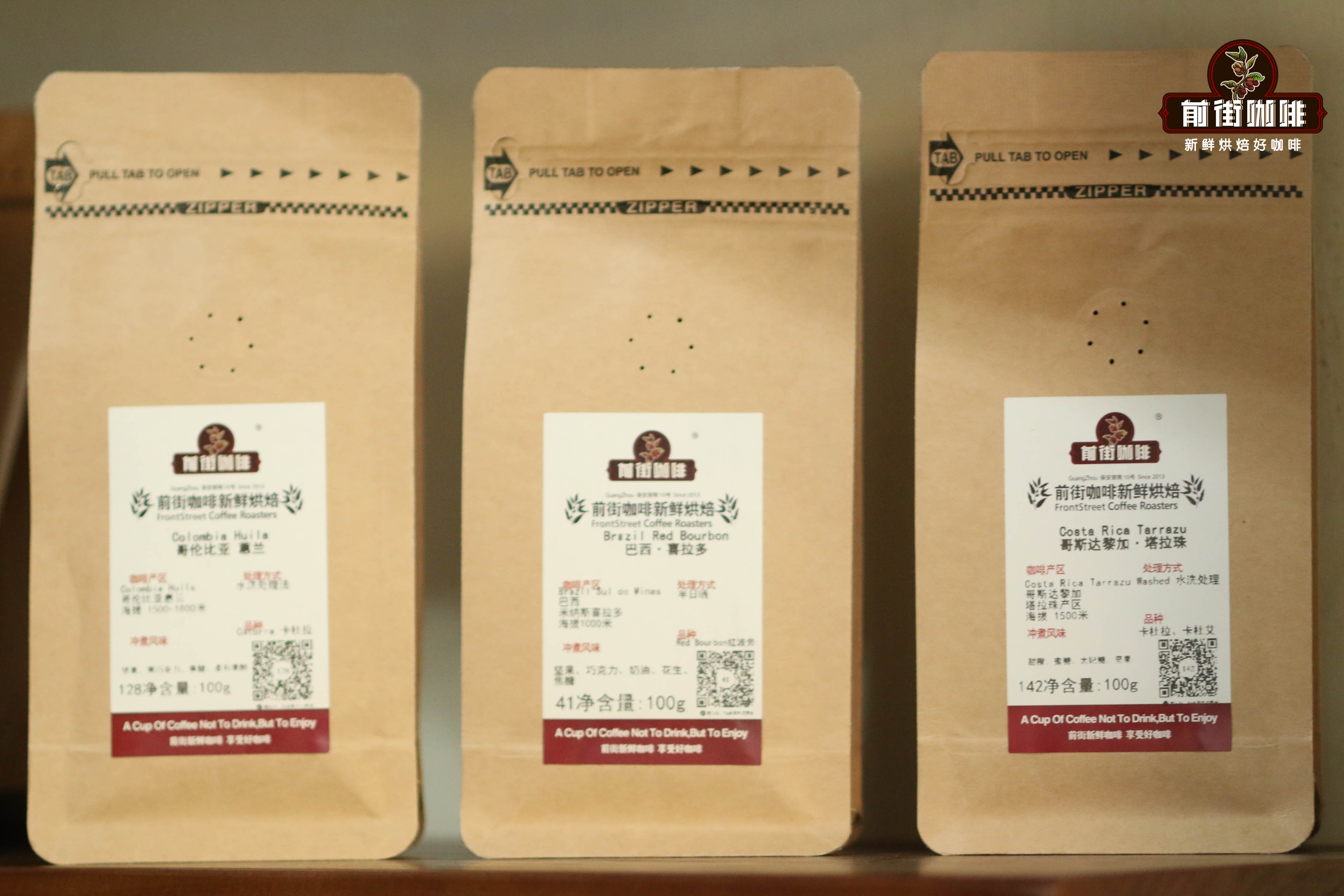
When people think of Brazilian coffee, keywords such as “nutty, chocolatey, full-bodied, and balanced” often come to mind. These traits make Brazilian beans an ideal starting point for those new to specialty coffee. Not only are their flavors clear and approachable, but the region’s stable production volumes and relatively affordable prices also make it possible to enjoy distinct regional characteristics within a reasonable budget. If you’re considering trying your first Brazilian coffee, we recommend starting with a semi-washed Red Bourbon from Cerrado Mineiro—it typically sells for about 25 RMB per 100 grams, offers a classic flavor, and delivers exceptional value.
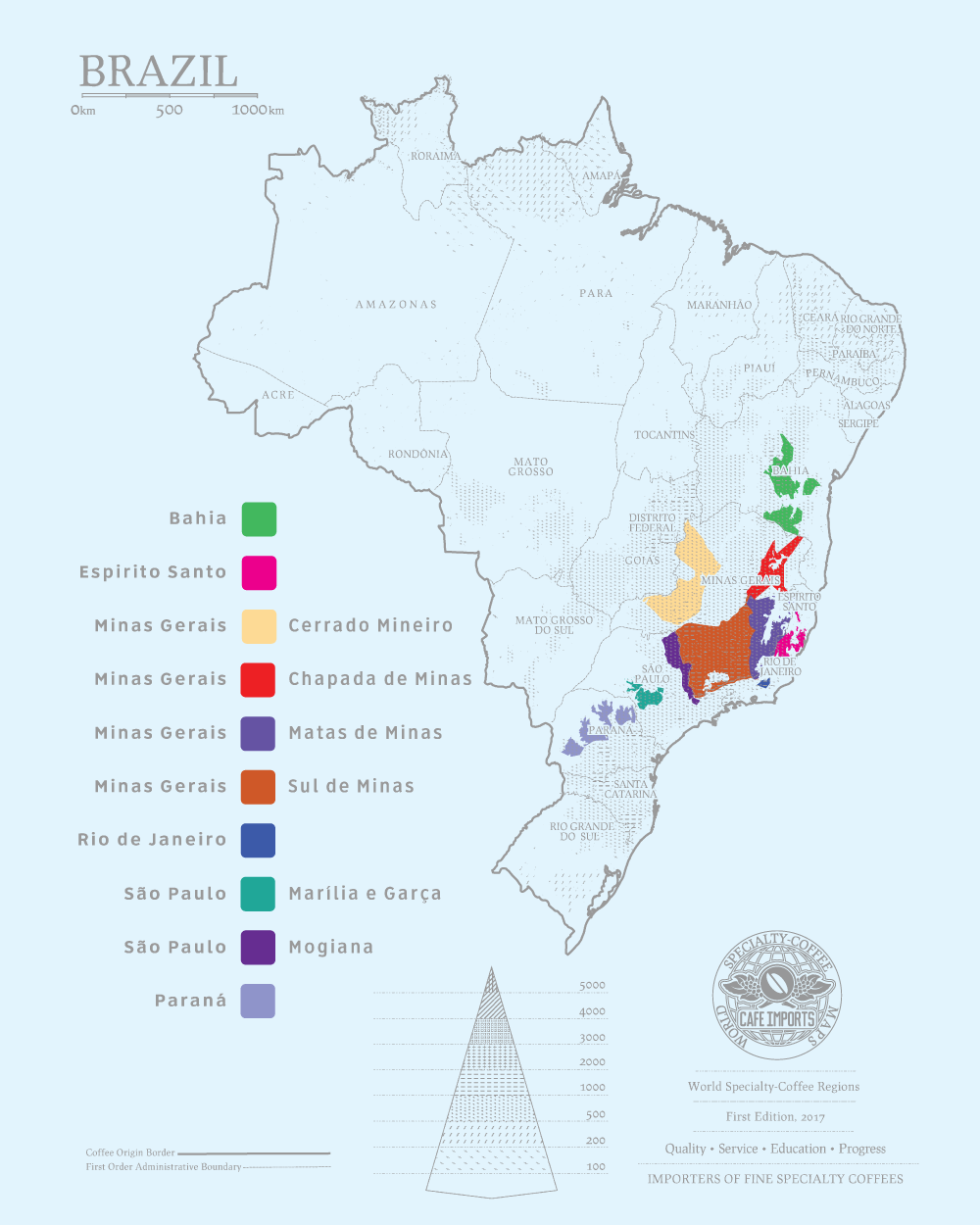
Brazil’s terrain is predominantly plateau and gentle hills, and most coffee farms utilize large-scale mechanized operations to improve planting and harvesting efficiency. Major coffee-producing regions across the country include Mogiana in São Paulo, Minas Gerais, Paraná, Bahia, and Espírito Santo. Among these, Cerrado Mineiro in Minas Gerais and Mogiana in São Paulo are the most highly regarded by both markets and evaluation bodies, as both offer stable and distinctive flavor profiles.
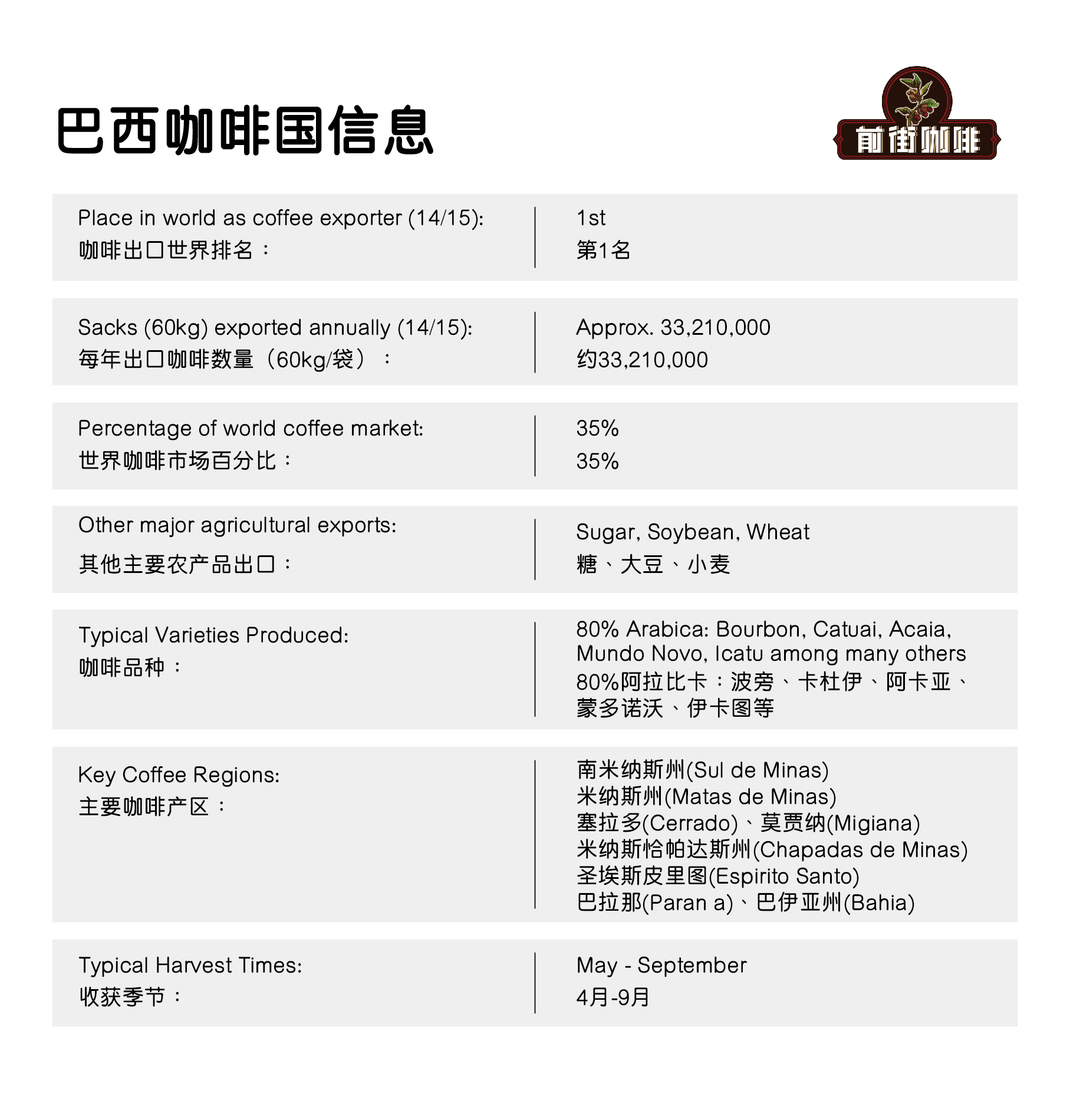
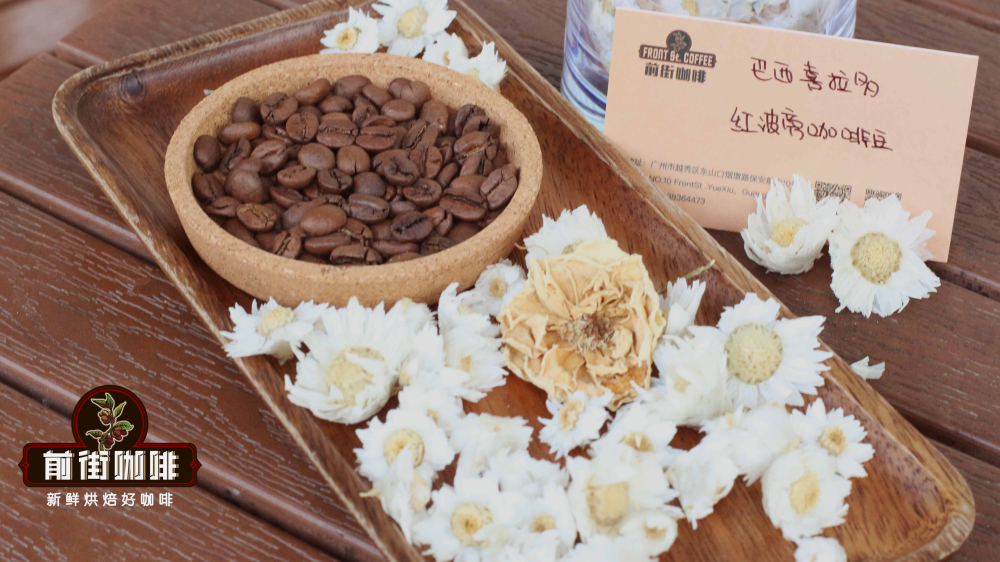
The Cerrado Mineiro region can be considered a model of modern Brazilian coffee production technology, extensively adopting automation and data-driven management practices while focusing on cultivating premium Red Bourbon varieties. Red Bourbon is a historic purebred within the Arabica family, favored for its consistent yields and uniform flavor. The area’s unique semi-washed processing method, combined with careful control of drying temperature and humidity, helps reduce defect rates and imparts a solid, full-bodied foundation to the coffee.
Beyond everyday drinking beans, advanced enthusiasts might also want to explore the Yellow Bourbon from Fazenda Rainha (Queen Estate) in Mogiana, Minas Gerais. Fazenda Rainha is one of the first winners of Brazil’s COE (Cup of Excellence), representing the pinnacle of Brazilian specialty coffee. Yellow Bourbon is a natural mutation of Red Bourbon, named for the rare yellow color of its ripe cherries—occurring in only about 10% of cases, making it a relatively rare variety. Compared to Red Bourbon, Yellow Bourbon—when carefully processed and cultivated—often exhibits superior sweetness, cleanliness, and complex layers.
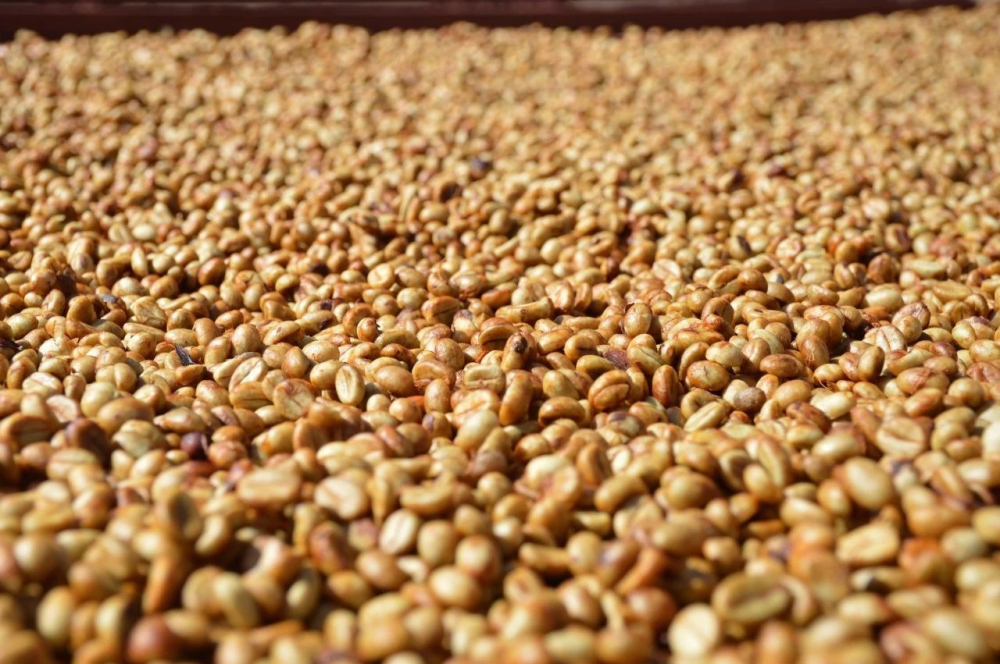
This estate employs meticulous natural sun-drying processing, with extremely strict control over drying temperature, time, and environmental conditions, completely transforming the previous impression of unstable quality in Brazilian natural processed beans. This introduced Yellow Bourbon, roasted to a medium level with an extended development phase, fully highlights sugary sweetness and nutty tones, offering a clear flavor profile with a long-lasting aftertaste.
Brazil’s coffee bean grading system differs from that of other Central and South American producing countries. Due to its relatively lower average altitude, Brazil does not emphasize the concept of “high-altitude hard beans.” Instead, it grades beans based on the following four criteria:
1. Flavor Grade(from highest to lowest): Strictly Soft (very mild), Soft (mild), Softish (slightly mild), Hardish (harsh), Rioy (iodine or herbal off-flavors).
2. Defect Rate Grading: Calculated based on the number of defective beans per 300 grams of green coffee. A maximum of 6 defective beans allows for an NY.2 grade, which is considered a high commercial quality level. Completely defect-free NY.1 is extremely rare and difficult to supply consistently, so NY.2 is the most commonly available top-tier practical grade in the market.
3. Cupping Quality Grading: From highest to lowest: Fine Cup (FC), Fine, Good Cup, Fair Cup, Poor Cup, Bad Cup. FC and GC are the most common high-quality ratings in specialty coffee trading.
4. Bean Size Grading: Based on screen size, with the highest grade being 19 mesh, though production is scarce. Generally, 17 and 18 mesh are the mainstream for specialty-grade beans.
The Red Bourbon from Cerrado Mineiro and the Yellow Bourbon from Fazenda Rainha introduced in this article both belong to the NY.2 grade, indicating their defect rates are kept at very low levels—ideal for pour-over enthusiasts seeking stable flavor and quality.
For brewing recommendations, we suggest using a Kono filter cone with a medium-fine grind (approximately 80% passing rate through a Chinese standard 20-mesh sieve), a 1:15 coffee-to-water ratio, water temperature around 88°C, 15 grams of coffee, and a total brew water volume of 225 grams. The Kono cone’s rib design is concentrated at the bottom, reducing airflow exchange between the filter paper and cone, thereby slowing the flow rate to aid in fully extracting body-rich compounds. This setup is particularly well-suited for medium-dark roasted Brazilian beans, enhancing their chocolate and nutty dominant notes while avoiding over-extraction bitterness.
Specific pour-over procedure recommendation: Start with a 30-second bloom using 30 grams of water to activate the coffee grounds; then pour in a small circular motion until reaching 125 grams for the first pour. Once the water level begins to drop below the coffee bed surface, continue pouring to 225 grams to complete the extraction, with total brew time controlled around 2 minutes. This technique balances flavor complexity and body, suitable for brewing both bean types.
In actual tasting, Fazenda Rainha Yellow Bourbon showcases a brighter sweetness, distinct layers, and a caramel-honey aroma in the aftertaste, with outstanding overall clarity. In contrast, Cerrado Mineiro Red Bourbon excels in its stable, full-bodied chocolate profile, offering a round and full mouthfeel, ideal for those who prefer classic Brazilian flavors. Each bean has its own unique appeal, providing different Brazilian coffee experiences—whether for daily drinking or deeper appreciation.
The above content is compiled by CoffeeHunters, a coffee news website.


