







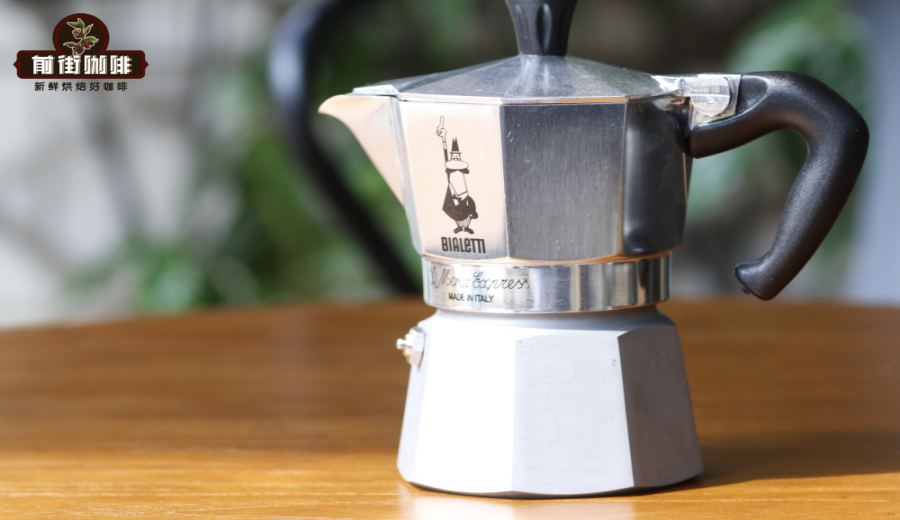
Introduction:The Bialetti Moka Pot is an iconic symbol of Italian coffee culture. Since its debut in 1933, its classic octagonal design has remained almost unchanged. This article delves into the brand story, design inspiration, and practical usage of the Bialetti Moka Pot — from the pressurized extraction principle of its three-tier structure to coffee bean selection, grind size, and safety precautions — guiding you to master the key techniques for consistently brewing rich coffee, along with expert tips and answers to common questions.
The Moka Pot is an essential classic appliance in the homes of many coffee enthusiasts, and Bialetti is the representative brand of this category. This coffee maker originating from Italy not only boasts a unique octagonal shape but also carries nearly a century of home coffee culture. This article will start with the background of the Bialetti Moka Pot’s creation, exploring how it evolved from a steam coffee machine in the early 20th century to a household staple today, and detailing the origins of its classic design and brand logo.
The Bialetti Moka Pot was invented in 1933 by Alfonso Bialetti, aiming to allow home users to enjoy coffee as rich as that from cafes, right in their own homes. Since its launch, the appearance and design of this Moka Pot have remained nearly unchanged. Its classic octagonal shape has not only become a brand symbol but also ranked alongside the Vespa scooter and Fiat 500 car as one of the most influential designs in 20th-century Italy. The unique charm of this pot has made it a classic in the hearts of coffee lovers worldwide.
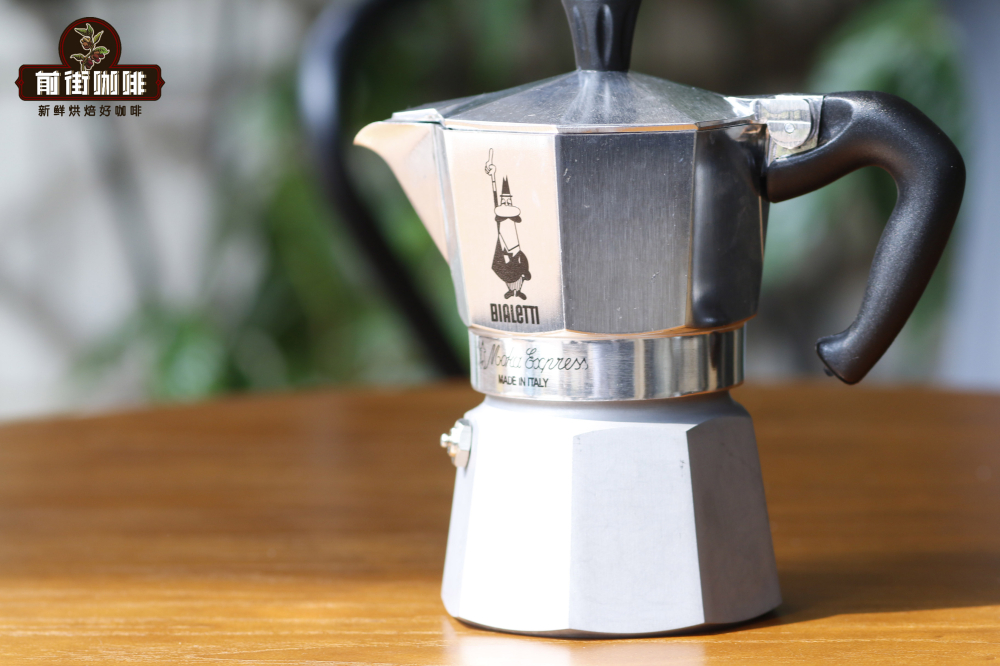
The design inspiration for the Bialetti Moka Pot came from the steam boilers of trains at the time. Its metallic appearance and strong industrial style reflect the achievements of Italy’s industrial revolution. However, compared to the professional espresso served in cafes, the quality of home-brewed coffee often paled in comparison. It wasn’t until Alfonso Bialetti invented this Moka Pot that this situation was completely changed, enabling home users to easily brew rich coffee.
The Bialetti Moka Pot mainly consists of three parts: the lower chamber holds the water, the middle layer contains the coffee grounds, and the upper chamber is used to collect the extracted coffee liquid. Its working principle is to generate pressure through heating, causing steam to pass through a metal tube in the middle and carry the essence of the coffee grounds up to the upper chamber. This pressurized extraction method allows the Moka Pot to brew coffee with a flavor close to that of espresso.
When using the Bialetti Moka Pot, the selection of coffee beans and grind size are crucial. Since the Moka Pot uses pressurized extraction, it is recommended to choose medium-dark to dark roasted coffee beans for a richer flavor. Common choices include beans with creamy peanut and macadamia aromas or low-acid, full-bodied Indonesian Golden Mandheling. In terms of grind size, it is advised to use the #3–3.5 setting on an EK-43s grinder — a fine powder-like consistency — but avoid going too fine, which can create excessive pressure, or too coarse, which can result in under-extraction.
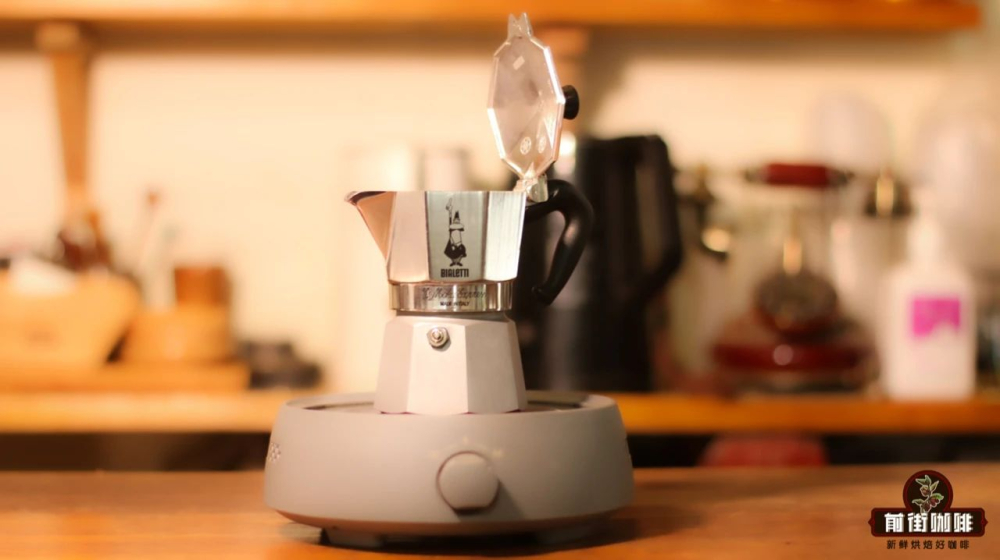
For specific steps, first add hot water to the lower chamber up to about 0.5 cm below the safety valve. This helps reduce heating time. Next, pour the ground coffee into the filter basket of the middle layer, gently tap to level the coffee bed, but avoid tamping too firmly to prevent creating excessive resistance. After placing the filter basket into the lower chamber, tightly screw the upper and lower chambers together to ensure a good seal.
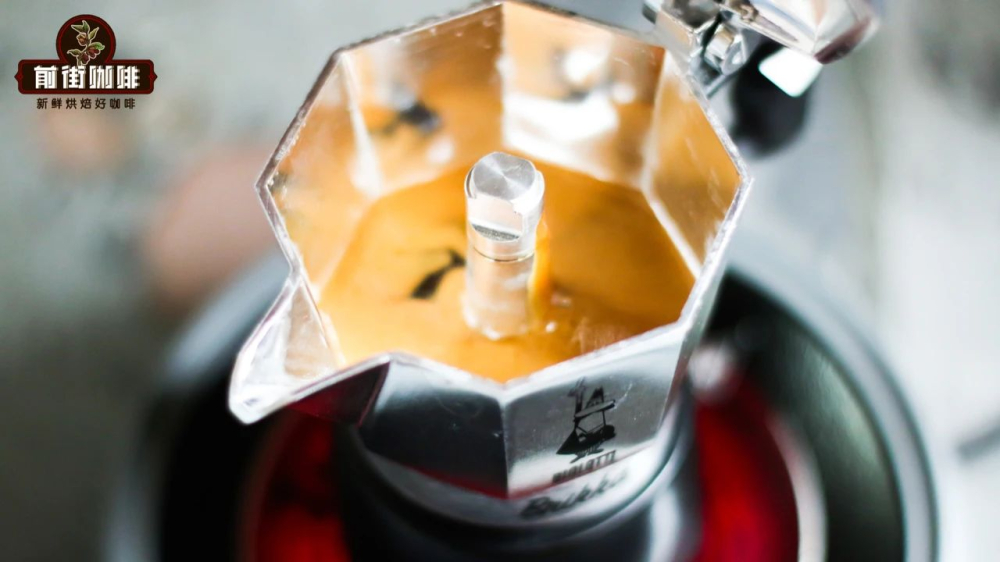
Place the assembled Moka Pot on an electric stove and heat over medium-high heat. When you hear a distinct “wuu wuu” sound, it indicates that pressure has built up. At this point, reduce the flame and observe the flow of coffee into the upper chamber. Once about half of the coffee has flowed out, you can turn off the heat and let the residual heat push the remaining coffee up into the upper chamber. Be mindful of safety to avoid overheating, which may cause excessive pressure and lead to danger.
The classic octagonal shape of the Bialetti Moka Pot is not only a brand symbol; its bottom chamber is still handmade to this day, preserving a unique handcrafted feel. The mustachioed cartoon figure on the pot is a representation of the brand’s founder, Alfonso Bialetti, and this logo has become an important element by which coffee lovers around the world recognize Bialetti. This Moka Pot is not just a practical coffee tool but also a significant symbol of Italian coffee culture.
In summary, the Bialetti Moka Pot, with its classic design and consistent extraction performance, is an ideal choice for home coffee brewing. From understanding its historical background to mastering the correct extraction techniques, this Moka Pot can help you easily enjoy rich Italian-style coffee flavors at home. Whether choosing the right coffee beans, adjusting the grind size, or paying attention to operational safety, all are key to making a delicious cup of coffee.

The above content is compiled by CoffeeHunters, a coffee news website.


