







Introduction:Have you ever felt hesitant when facing an overwhelming selection of espresso drinks at a café? This article will take you deep into the complete family of espresso-based coffee, from the extraction differences among the "three brothers" — Espresso, Ristretto, and Lungo — to the golden ratios in milk-based drinks such as lattes and cappuccinos, and on to the unique charm of creative specialties like Dirty and Affogato. With detailed extraction parameters, flavor descriptions, and practical tips, this guide will help you build a comprehensive understanding of espresso drinks, giving you more confidence whether you're brewing at home or ordering at a café.
Step into any coffee shop, and the menu of espresso drinks is often dazzling—but do you truly understand the extraction logic and flavor profiles behind these beverages? This article starts with the three fundamental forms of espresso, then takes a deep dive into the full spectrum of black coffee, milk coffee, and creative specialties, helping you grasp the essence of each coffee style. Whether you love the bold intensity of Ristretto, prefer the creamy richness of a cappuccino, or want to try something visually and flavorfully striking like Dirty—this guide is your perfect starting point for exploring the world of espresso.
The Three Extraction Forms of Espresso
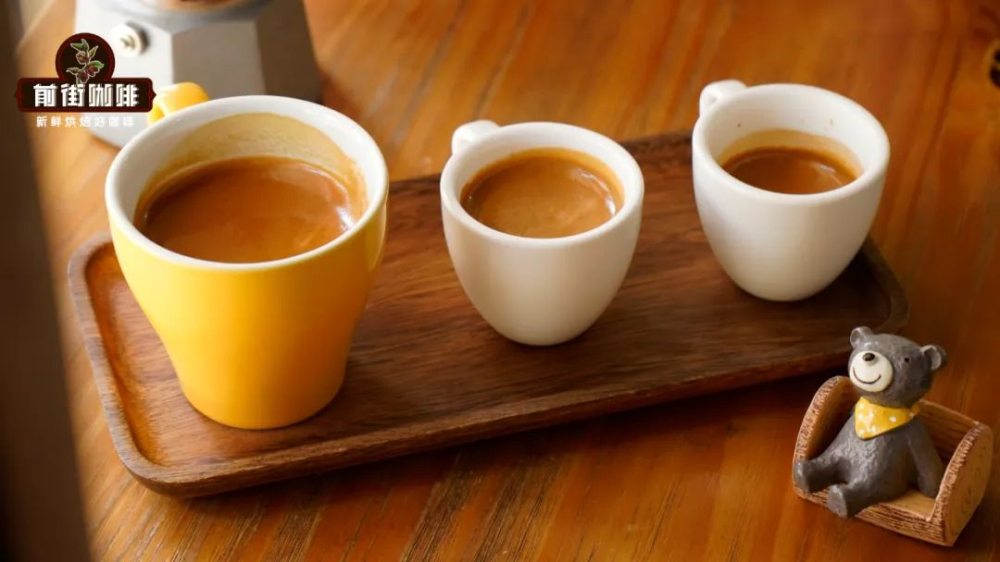
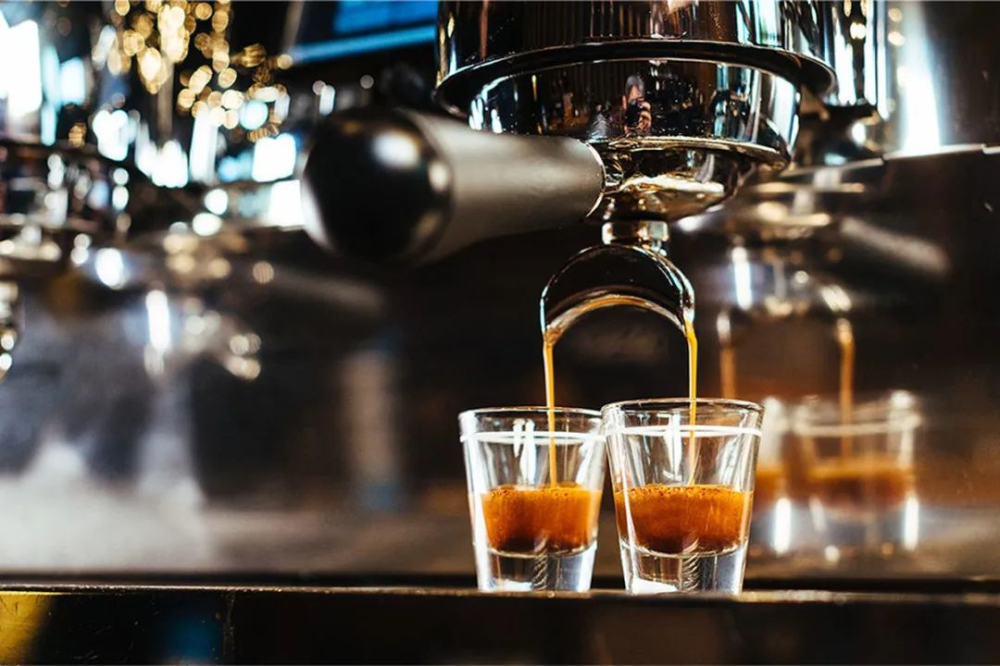
Espresso is the soul base of all espresso-based coffee, but did you know it has two “siblings”? They are Ristretto and Lungo. These three drinks all stem from the same pressure-based extraction principle, yet due to differences in coffee-to-water ratio and brew time, they offer distinctly different flavor experiences.
A standard Espresso is typically extracted using a coffee-to-liquid ratio of 1:1.5~2.5—for example, using 20 grams of coffee grounds to extract 40 grams of coffee liquid in 25–30 seconds. In contrast, Ristretto extracts only the first and middle parts, using the same amount of coffee grounds but yielding about 28 grams of liquid, with a ratio of 1:1~1.5and a brew time of around 20 seconds. It delivers a more concentrated and layered flavor profile, often used as the base for milk drinks like flat white. On the other hand, Lungo goes the opposite route by extending the extraction time to nearly one minute, expanding the coffee-to-liquid ratio to 1:4~5and extracting about 100 grams of liquid. Although the volume increases, it often ends up overly diluted with a noticeable bitterness and relatively thin flavor.
Additionally, if you order a Doppio in Italy, don’t assume it’s just a double shot of Espresso. In fact, a Double Espresso refers to two single shots, whereas a Doppio uses a double dose of coffee grounds but produces only one shot, resulting in higher concentration and a stronger flavor—ideal for those who enjoy bolder tastes.
The Black Coffee Family
When it comes to black coffee, the Americano is almost everyone's entry-level favorite. It’s made by adding hot water to a shot of Espresso. Because it’s simple and suitable for both hot and iced consumption, it has long been a bestseller in cafés around the world. In Australia, there’s another drink called Long Black, also based on Espresso, but it’s made by pouring hot water first and then adding the Espresso. This method preserves more crema and results in a richer flavor. Generally, the Espresso-to-water ratio for a Long Black is around 1:3[ratio placeholder], while the Americano ratio falls between 1:5~1:8 . The latter has a lighter taste and allows for water volume adjustments based on personal preference.
If you prefer the traditional dark-roasted Italian-style flavors, it’s recommended to choose blends made with Brazilian, Indonesian, and Vietnamese beans. After dark roasting, these beans showcase a rich aroma and full body, while also easily producing a thick layer of crema—making them ideal for both Americanos and milk-based drinks.
The Milk Coffee Category
The world of milk coffee is rich and diverse, and none is more iconic than the Latte. In Italian, Latte simply means “milk,” so to avoid confusion, you should order a “Caffe Latte.” This coffee is made with a ratio of Espresso to milk of about 1:5~1:8 , striking a balance between milk and coffee flavors, making it one of the most popular milk coffees.
Before Lattes became mainstream, the Cappuccino was the go-to milk coffee for Italians. Its standard recipe consists of equal thirds coffee, steamed milk, and milk foam—resulting in a thick layer of foam that often spills over the cup’s rim, offering distinct layers of texture. Meanwhile, the Macchiato is made by adding a spoonful of steamed milk foam to a shot of Espresso. “Macchiato” means “stained” or “spotted” in Italian, as the foam slightly changes the color of the coffee without altering its bold flavor, placing it somewhere between Espresso and Cappuccino in strength.
In Australia, to cater to local tastes, the Latte evolved into the Flat White, which features thinner foam and less milk, with a ratio closer to 1:3~1:4. It offers a more intense flavor that highlights the characteristics of the coffee beans themselves. There’s also the Piccolo Latte—a small cup designed for cupping and minimizing waste—which uses a 3-ounce cup with a single shot of Espresso and a small amount of milk. It has a concentrated flavor and is also served hot.
Dirty is a trendy internet-famous coffee that has emerged in recent years. It’s not a traditional espresso drink, but rather a variation of iced latte. It’s made by pouring hot Espresso directly over ice-cold milk, creating a beautiful layered effect while preserving the bold aroma of the Espresso and the creamy texture of the milk. It has become a new favorite among many coffee enthusiasts.
The Espresso-Based Specialty & Fancy Coffee Category
To help more people appreciate the unique flavors of Espresso, baristas have developed a variety of specialty coffee drinks by incorporating elements such as chocolate, liquor, and ice cream, creating diverse taste experiences.
The most classic of these is the Mocha (or Chocolate Mocha), which adds chocolate syrup or cocoa powder to a Latte, perfectly blending sweetness with coffee aroma. Another Italian-origin drink, the Marocchino, is made by sprinkling cocoa powder on top of a small shot of Espresso, then adding milk foam or cream, and topping it all off with another layer of cocoa powder—the intense cocoa aroma is unforgettable.
There are also various creative coffee drinks based on Espresso, such as the Con Panna (which tops Espresso with whipped cream), or the Caffè Corretto (which mixes Espresso with spirits). And the Affogato combines a shot of hot Espresso poured over vanilla ice cream—it’s both coffee and dessert, perfect for those who enjoy creative combinations.
Finally, the European-style Iced Shaken Coffee (Caffe Shakerato) involves shaking Espresso, syrup, and ice in a shaker, then pouring it into a martini glass. It has fine bubbles similar to dark beer along with a refreshing sweet taste, making it a top choice for summer cool-downs.
The above content is compiled by CoffeeHunters, a coffee news website.


