








Introduction:Espresso is the cornerstone of modern coffee beverages, captivating with its intense flavor and distinctive crema. This article delves into the origins and evolution of espresso machines, the standard definition and key flavor characteristics of espresso, as well as the science behind crema formation, professional extraction parameters, and the correct way to taste it. Whether you're a beginner or a coffee enthusiast, you'll gain insight into the essence and practical skills of making great espresso.
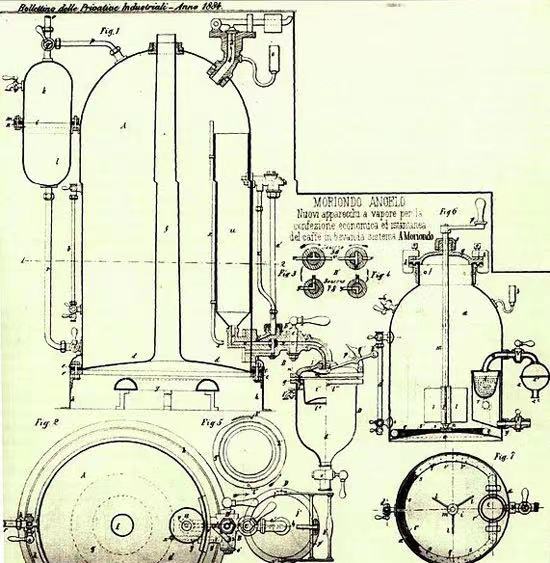
Espresso is an iconic form of coffee culture, with its origins tracing back to the late 19th century in Italy. The earliest prototype of espresso emerged in 1884, designed by Italian Angelo Moriondo, who created a patented prototype of an espresso machine. This machine operated by using two separate boilers to heat water to boiling point, generating high-temperature steam, which then pressurized hot water to approximately 1.5 bar to force it through a bed of coffee grounds and extract the espresso liquid.
However, this early extraction method was unstable, with significant quality variations between cups. It wasn’t until the early 20th century that Italian technician Luigi Bezzera made a revolutionary improvement. He redesigned the extraction process to produce espresso quickly under high pressure in just a few seconds, directly dispensing it into a cup. Bezzera adjusted the water temperature to around 94°C, which helped deliver a richer and more balanced flavor, while also introducing a coffee puck design to improve filtration, resulting in a smoother mouthfeel. Thanks to these innovations, steam-pressure-driven espresso gradually became popular across Italy, evolving into a daily enjoyment for the public.
In 1906, designer Desiderio Pavoni acquired Bezzera’s patent, and the two collaborated to launch a more refined version of the coffee machine, which debuted at the Milan Expo. This machine featured a pressure valve and steam wand, closely resembling today’s espresso machines. Since then, the design and extraction principles of espresso machines have gradually standardized, becoming an indispensable tool in modern cafés.
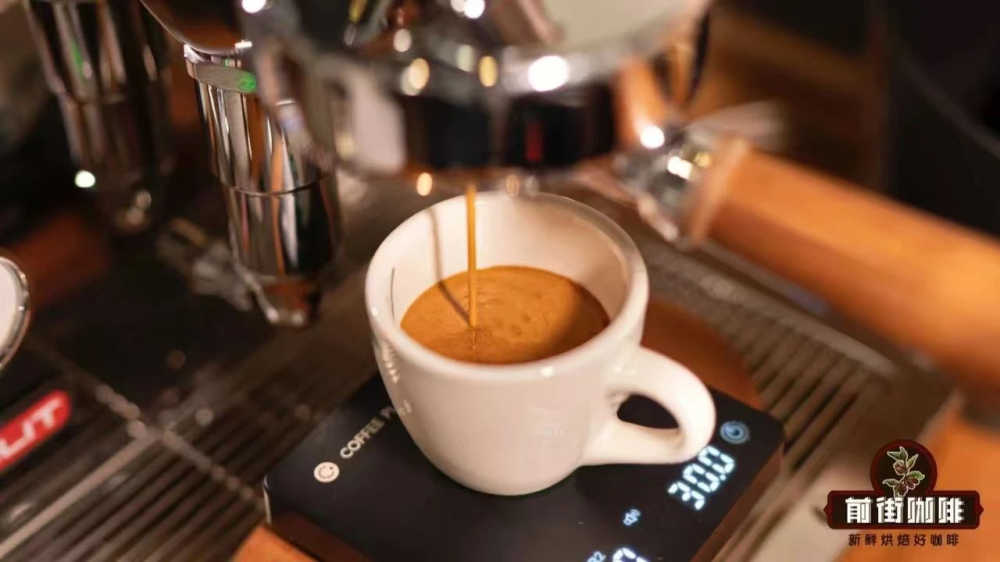
So, what exactly is espresso? Simply put, it’s a small, concentrated shot of coffee made from finely ground beans, extracted quickly under high pressure (typically around 9 bar) with water heated to about 94°C. This extraction method gives espresso its bold flavor and complex layered profile.
A well-brewed espresso shouldn’t be overly bitter. In fact, high-quality espresso should offer balanced, layered flavors, with a rich yet smooth mouthfeel and a naturally sweet aftertaste. Additionally, one of espresso’s most defining features is the golden, creamy foam floating on the surface—crema.
This crema is not just simple oil but a delicate foam formed when carbon dioxide released from freshly roasted coffee beans combines with fine oils under high pressure. When coffee is ground to an extremely fine consistency and brewed under high pressure (around 9 bar), carbon dioxide and oils mix thoroughly and are pressed into this fine layer of crema. Therefore, to brew ideal espresso, it's recommended to use freshly roasted, medium to dark roasted coffee beans, and brew them fresh for optimal flavor.
It’s worth noting that while roasting increases the amount of carbon dioxide in coffee beans, too much gas can sometimes affect extraction stability or even make the crema texture rough. Hence, balancing freshness and roast level is essential. It’s generally advised to let coffee beans rest in a cool, dry place for about 7 days after purchase to allow natural release of some carbon dioxide, while using the one-way valve on the packaging to stabilize them, helping ensure consistent extraction results later.
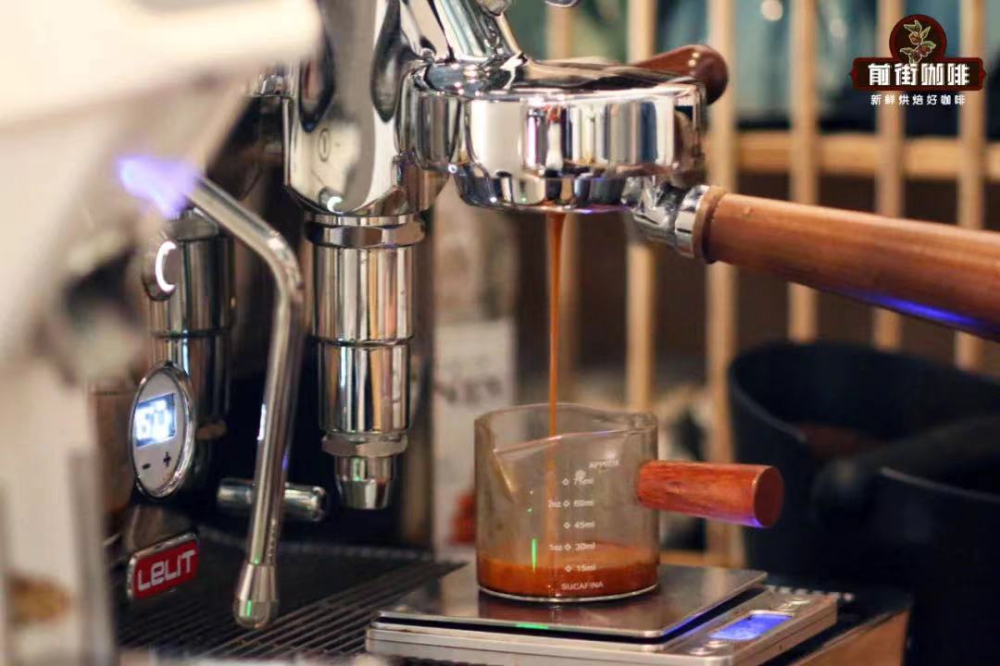
So, how do you correctly brew an ideal shot of espresso? According to the Specialty Coffee Association (SCA), standard recommendations include using 7–9 grams of coffee grounds (14–18 grams for a double shot), maintaining water temperature between 90–96°C, applying extraction pressure of around 9–10 bar, and extracting 25–35 grams of coffee liquid within 20–30 seconds. These parameters serve as guidelines, but actual brewing may require adjustments based on bean characteristics, grinder settings, and machine performance.
For example, some cafés might use unique blends, such as those combining Honduran sherry and Ethiopian natural Yirgacheffe, requiring adjustments to grind size, dose, and brew time according to the beans’ flavor profiles to achieve the best taste. One shop shared that using 19.5 grams of very finely ground coffee, brewed at 94°C with 9 bar pressure for 30 seconds, yielded 35 grams of coffee liquid with a creamy smooth texture, featuring fruity acidity, winey notes, and caramel sweetness—a highly enjoyable result.
As for how to drink espresso? First, it’s recommended to take a sip of ice water to cleanse your palate and prepare your taste buds. Next, gently stir the coffee to evenly mix the crema with the liquid beneath. When tasting, it’s suggested to take three sips: the first to experience the overall flavor layers, the second to appreciate its rich body, and the third to focus on the aftertaste and lingering sweetness—fully immersing yourself in the refinement and depth of espresso.
The above content is compiled by CoffeeHunters, a coffee news website.


