








Introduction:Espresso coffee is the soul of modern cafés. From the latte, cappuccino, americano, and flat white that all stem from the espresso shot, each has its own unique flavor and cultural background. This article delves into the origins, brewing methods, proportion parameters, and taste characteristics of these classic espresso-based drinks, supplemented with practical brewing details to help readers distinguish differences and grasp tasting essentials. Whether you're a beginner or a coffee enthusiast, you’ll find useful reference information here.
Espresso coffee is an indispensable star in today’s cafés. Whether you prefer a strong, rich pure coffee or a milky, flavorful specialty drink, the espresso system has an option for you. From the most basic espresso, to the widely loved americano, latte, cappuccino, and flat white, each coffee has its own unique brewing logic and flavor profile. This article will detail the origins, brewing methods, key parameters, and taste features of these classic espresso drinks, combined with real brewing experience, to help you understand how to drink and choose them.

With the evolution of global coffee consumption habits, espresso has become a standard offering in many cafés. Whether it's a morning pick-me-up for busy office workers or a leisurely moment during a gathering with friends, they’re always around. However, for beginners just getting into coffee, these similarly named yet distinct drinks can be confusing. This article will help you clarify their differences—from the rich crema of an espresso, to the milk foam ratio in a latte, to the refined extraction of a flat white—giving you a more complete understanding of espresso coffee.
Espresso: The Starting Point of It All
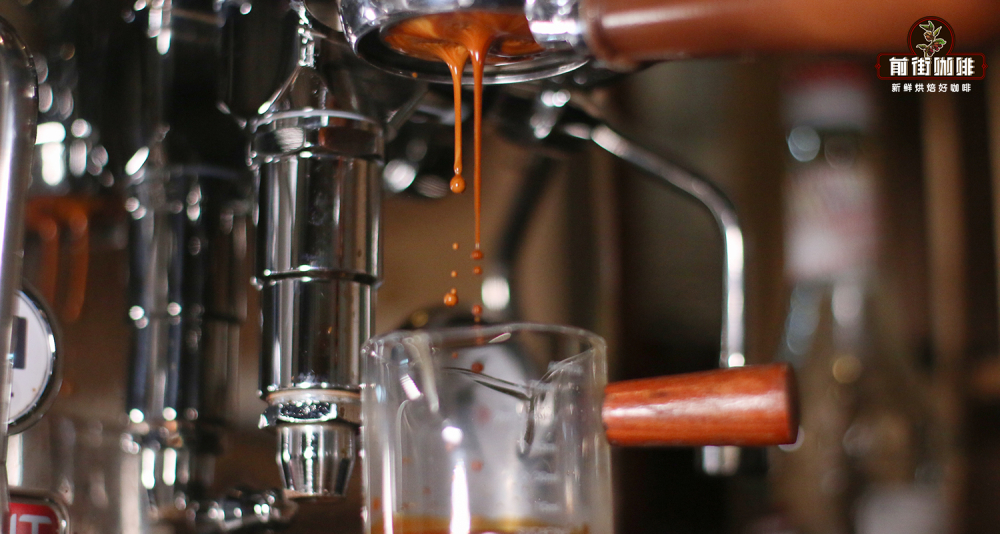
Espresso is the foundation of the entire espresso coffee system. It is made by forcing high-pressure, high-temperature water through finely ground coffee beans, extracting a small but highly concentrated amount of coffee liquid. This process results in the distinctive intense flavor, thick crema, and highly concentrated aroma of espresso. Although the word "Espresso" may not often appear directly on menus, almost all espresso-based drinks—including americanos, lattes, and cappuccinos—are made using it as the base.
A standard shot of espresso is usually only about 30 milliliters, yet it packs an extremely high flavor intensity. It’s recommended to take a sip of plain water beforehand to cleanse your palate. You can then observe its golden-brown crema layer, and when smelling it, you might detect notes of caramel, nuts, cream, and even a hint of alcohol. Upon tasting, the rich crema coats the tongue first, followed by the unfolding of roasty aromas and multi-layered flavors, including chocolate, berries, spices, and subtle alcoholic notes. Some cafés offer espresso made from their own blends, such as combining sun-dried Yirgacheffe with Honduran sherry notes to create a more layered and distinctive profile.
Americano: The Art of Simple Dilution
The americano is arguably the most common variation of espresso coffee, made by mixing a shot of espresso with hot water. The origin of this drink is linked to the habits of American soldiers during World War II, who couldn’t handle the intense strength of straight espresso, so they added hot water to adjust the concentration. Today, the americano has evolved into a versatile black coffee that can be tailored to individual taste preferences in terms of strength.
The general recommendation is to use a 1:6 coffee-to-water ratio—for example, 40 grams of espresso mixed with 240 grams of water at 88°C for a hot americano; for an iced americano, ice cubes and room temperature water can be used to maintain the coffee flavor while adding a refreshing chill. In practice, hot americanos often exhibit the richness of roasted nuts and dark chocolate, with a hint of vanilla lingering in the aftertaste; iced americanos, on the other hand, highlight berry acidity and wine-like notes, making them ideal for summer. Whether hot or cold, the appeal of the americano lies in its ability to clearly express the character of the coffee beans themselves, making it an excellent medium for getting to know a bean’s flavor.
Latte: The Perfect Balance of Milk and Coffee
The latte originates from the Italian word for "milk," and as the name suggests, it is a coffee drink primarily composed of espresso and milk. Compared to pure espresso, the latte highlights milk aroma more prominently, making it suitable for those who prefer a smoother taste. Traditionally, the coffee-to-milk ratio for a latte is around 1:5 to 1:8, with 1:6 commonly used in practice—for example, 40 grams of espresso paired with 240 grams of milk.
When making a hot latte, the milk is steamed using a steam wand to a temperature of 55–65°C to form fine, moderately thick microfoam, which is then evenly blended with the espresso. Optionally, latte art can be performed. Hot lattes typically carry sweet notes reminiscent of chocolate and cream, with a smooth mouthfeel; iced lattes are recommended to have ice cubes and a small amount of milk added first, followed by the hot espresso, and it’s best to stir well before drinking to achieve a uniform flavor experience. The dirty coffee variant involves pouring hot espresso directly over cold milk, using the contrast between hot and cold to create a unique layered texture, and has become a popular variation in recent years.
Cappuccino: The Classic Combo of Strong Coffee and Thick Foam
The cappuccino, like the latte, is a type of milk coffee, but its defining feature is the use of thicker, fluffier foam, and a relatively higher proportion of coffee in the overall drink. The traditional ratio is one-third espresso, one-third steamed milk, and one-third foam, making the coffee flavor in a cappuccino more pronounced, while the fluffy texture of the foam adds a rich mouthfeel.
Cappuccinos are usually served in smaller portions, around 180 milliliters, and it’s recommended to use a tulip cup to help concentrate the aroma. When making one, the extracted espresso is poured first, followed by the addition of fluffy foam and milk mixture. This drink not only showcases the aroma and balance of bitter-sweetness of the coffee itself but also allows one to fully appreciate the delicate texture of the foam, making it a classic favorite among many coffee enthusiasts.
Flat White: The Ultimate Combination of Refined Coffee and Thin Foam
The flat white is a coffee drink originating from Australia and New Zealand. Its defining characteristic is the use of a smaller amount of milk and thinner foam, with a ristretto shot as the base, resulting in a drink where the coffee flavor is more prominent. Compared to a latte, the flat white has a thinner layer of foam and a higher proportion of coffee, giving it a more intense and refined overall taste.
In preparation, a double ristretto (approximately 27 grams of extracted liquid) is typically used, paired with about 150 milliliters of steamed milk. The milk is aerated less, and the temperature is controlled between 55–60°C. This combination ensures that each sip delivers the delicate aroma and rich layers of the coffee, while the milk flavor does not overpower the coffee’s essence. In practice, the flat white often exhibits complex flavors of vanilla, cream, chocolate, and subtle alcohol notes, with a long-lasting and layered aftertaste. It’s an ideal choice for those who enjoy strong coffee without wanting it to be overly heavy.

The above content is compiled by CoffeeHunters, a coffee news website.


