







Introduction:The right grind size is one of the keys to brewing delicious coffee. This article delves into the characteristics of coffee beans at different stages, focusing on the resting period and optimal flavor window, and provides practical solutions to common issues like grinding too fine or too coarse. It also offers sieve calibration tips and a five-tier classification reference, helping you quickly master the ideal grind range for various brewing methods like pour over and French press, thereby enhancing the consistency of your home-brewed coffee flavors.
Grind size is one of the most important factors affecting the flavor profile of coffee. It determines the contact area and time between water and coffee grounds, which in turn influences extraction efficiency and the final taste in the cup. However, many coffee enthusiasts often feel puzzled when choosing the right grind size for different beans and brewing methods. This article will start with coffee bean storage management, guide you through the concept of the optimal flavor window, and gradually explain the taste differences brought by varying grind sizes. It also provides practical calibration methods and classification suggestions to help you find the grind settings that best suit your taste.
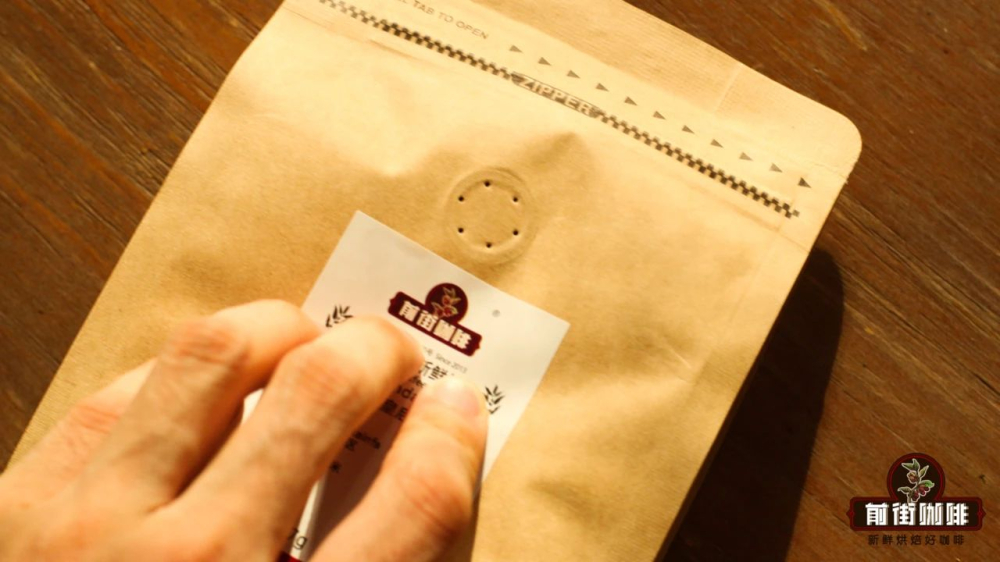
The coarseness or fineness of coffee grounds directly affects the total surface area in contact with water, as well as extraction time and concentration. However, many people choose their grind size based on intuition, overlooking the actual state of the beans and how it matches brewing conditions. To brew a well-balanced cup of coffee, first ensure the coffee beans are freshly roasted. It's recommended to choose packaging with a one-way valve, which allows carbon dioxide released during roasting to escape while preventing air from entering, thus slowing down flavor loss.
After receiving freshly roasted coffee beans, it’s particularly important to check the roast date on the package. Newly roasted beans release a large amount of carbon dioxide, and brewing them immediately can cause unstable gas release to interfere with extraction stability, leading to uneven flavors. Generally, it’s advised to let medium to light roasted beans rest for 3 to 4 days, and medium to dark roasted beans for 4 to 5 days, allowing the beans to stabilize before brewing. This helps extract richer and more balanced flavors.
The “freshness” of coffee beans is not just about taste—it directly relates to the preservation of aroma and flavor. After roasting, the aromatic compounds in the beans gradually volatilize over time, especially the small molecules responsible for floral and fruity notes, which deteriorate even faster. Therefore, it’s recommended to use coffee beans within two months after roasting. If the beans have been ground, try to consume them within 20 days to achieve the best flavor. If the beans are no longer fresh, even adjusting the grind size may not salvage the degraded flavor.
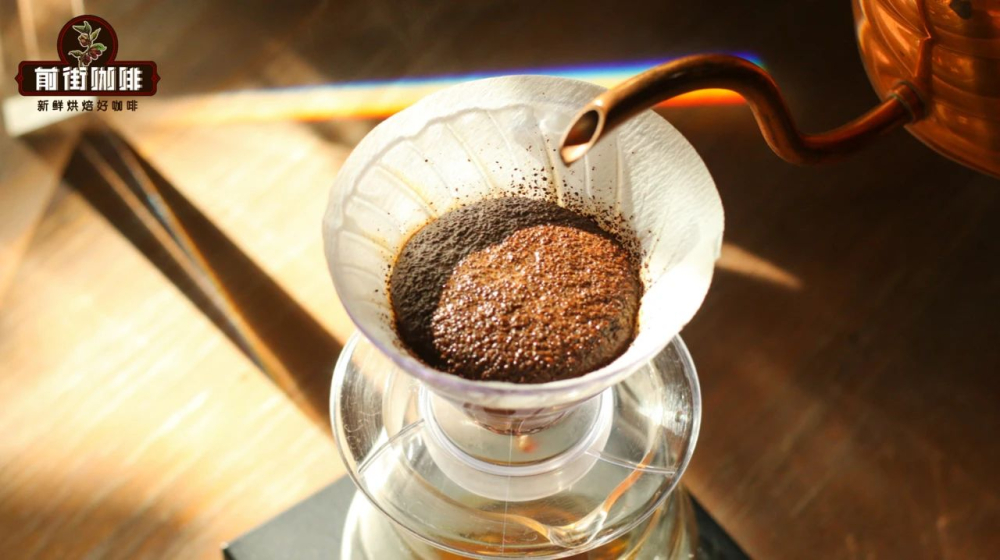
So, how does grind size affect coffee flavor? Simply put, the finer the grind, the greater the total surface area of the coffee grounds, allowing more contact with water and extracting more substances, thereby increasing concentration and extraction yield. Conversely, the coarser the grind, the smaller the contact area, the faster water flows through, and the fewer flavor compounds are extracted, often resulting in under-extraction and a thin, weak taste.
If the grind is too fine, the reduced gaps between coffee particles make it harder for water to pass through, potentially prolonging brew time and causing over-extraction. This can lead to overly bitter and astringent flavors, masking other delicate taste notes. On the other hand, if the grind is too coarse, water flows too quickly, resulting in under-extraction and a flat, one-dimensional taste—sometimes barely any distinct coffee character can be perceived.
To more accurately control grind size, you can use a No. 20 sieve (with an aperture of about 0.85mm) for calibration. The method involves grinding 10 grams of coffee beans and sifting them through the sieve, then observing the proportion of coffee powder that passes through—the so-called "pass-through rate"—to judge the current grind setting. Typically, different brewing methods correspond to different recommended pass-through rates: for cold drip and pour over, up to 80%; for siphon or moka pot, around 75–80%; for cupping, 70–75% is suggested; and for French press, the range is 65–70%.
Additionally, different roast levels of coffee beans also suggest different pass-through rate settings. Light roasts are suitable for higher pass-through rates (80–85%) to fully highlight acidity and delicate flavors; medium roasts are recommended at 70–75% to balance acidity, sweetness, and body; dark roasts can be reduced to 65–70% to avoid the burnt bitterness caused by over-extraction. Of course, these figures are for reference only, and personal taste preferences should ultimately guide fine-tuning.
If purchasing a sieve is not convenient, you can also refer to the following five common grind classifications and choose the appropriate coarseness based on your brewing tool:
Extra Fine: Similar to sugar finer than granulated, suitable for moka pot or espresso machines. Requires firm tamping to withstand high-pressure hot water.
Fine: Close to granulated sugar, commonly used for drip bags. It increases extraction surface area to compensate for the fast filtration speed of paper filters.
Medium-Fine: About the fineness of white sugar crystals, suitable for medium to light roasted pour over beans such as common varieties like Ding Ding, Hua Kui, and Geisha. Recommended pass-through rate is around 75–80%.
Medium: Similar to coarse sugar, suitable for medium to dark roasted beans such as Jamaican Blue Mountain and Golden Mandheling. Pass-through rate is about 70–75%, helping to avoid over-extraction.
Coarse: Particles similar to sea salt, designed for French press, ensuring the metal filter prevents fine grounds from seeping through, maintaining a clean and refreshing taste.
In summary, whether you're a beginner or a seasoned coffee enthusiast, mastering grind size and the timing of bean resting are key steps to improving the consistency of your coffee’s flavor. Starting with the right resting period, and then selecting the appropriate grind size based on the characteristics of your brewing tool, allows you to fully unlock the potential of the coffee beans and enjoy the unique, rich flavors of each cup tailored to you.
The above content is compiled by CoffeeHunters, a coffee news website.


