








Introduction:Espresso is renowned for its intense flavor and golden crema layer. Mastering the correct extraction method and selecting the right blend is essential to truly appreciate its essence. This article delves into the brewing principles of espresso, the science behind its crema, ideal extraction parameters, and introduces four different blend profiles with distinct flavor orientations to help coffee enthusiasts—from beginners to advanced—comprehensively grasp the core knowledge of this classic coffee.
The term "Espresso" originates from Italian, meaning "made quickly for you." This type of coffee emphasizes speed and efficiency, from brewing to drinking, all done swiftly. Its most captivating feature is the delicate, golden crema layer on the surface, along with its rich and full-bodied taste. However, this crema is primarily a foam formed by a mixture of carbon dioxide and tiny oils, which dissipates quickly over time. Therefore, it’s recommended to enjoy it as soon as possible to fully experience its complete flavor.
To brew an espresso rich in crema, the key lies in using freshly roasted, medium-to-dark blend beans. These beans accumulate more carbon dioxide during roasting and, under appropriate water temperature and pressure, can release a fine and long-lasting crema layer. Compared to light roasts, medium-to-dark roasts provide richer body, resulting in an espresso that is not only mellow in acidity but also boasts intense chocolate and caramel notes.

Why should espresso be consumed quickly? Aside from its intense flavor instantly perking you up, that delicate crema is the highlight. This foam-like layer is actually a structure formed by carbon dioxide and tiny oil droplets under high pressure. Once exposed to air, the carbon dioxide gradually escapes, causing the foam to collapse quickly, which affects both the overall taste and visual appeal. Therefore, a freshly brewed espresso is best consumed within three sips to enjoy its optimal state.
In Italy, many people are accustomed to standing at the bar and quickly drinking their espresso, which is not only a cultural habit but also aligns with the original intent of espresso’s design. Although in Taiwan or many overseas coffee shops, customers may choose to sit and enjoy it slowly, to fully appreciate its complete flavor, it’s still recommended to drink it within a short time.
So, how can one brew an espresso that is rich in crema and has balanced flavors? First, it’s essential to use freshly ground coffee powder and ensure the beans are roasted to an appropriate degree, generally recommending a medium-to-dark blend. Such beans not only release sufficient carbon dioxide but also provide a stable and rich foundation, resulting in a concentrated coffee liquid that is bold and layered. Using light roast beans may lead to overly prominent acidity, causing an unbalanced taste, and the crema layer will also be less pronounced.
Additionally, the stability of espresso’s flavor comes from blending techniques. Many professional coffee shops blend beans from different regions according to their flavor characteristics in specific proportions to achieve balanced and stable flavors. Single-origin beans, while possessing unique personalities, may vary in flavor each year due to changes in climate and processing methods, making them unsuitable as the main base for espresso.
Below are four common flavor-oriented espresso blend profiles for coffee enthusiasts to choose from based on personal preference:
For those who prefer wine-like and berry flavors, a blend consisting of 30% sun-dried red cherry beans and 70% sherry cask-aged beans can be chosen, showcasing rich wine aroma, vanilla cream, berry tartness, and roasted nut layers.
Those who like nutty profiles may consider a blend of 30% washed Colombian beans and 70% semi-washed Brazilian beans, offering mellow nuts, dark chocolate, and caramel flavors, suitable for everyday drinking or café service.
For those pursuing a rich and bold taste, a combination of 10% washed Robusta beans, 30% washed Colombian beans, and 60% semi-washed Brazilian beans can be selected, delivering full-bodied flavors of nuts, cocoa, and caramel, ideal for commercial use or daily high-volume coffee shops.
If you value cost-effectiveness and want a slight fruity acidity, a blend of 30% Yunnan washed small-bean beans and 70% semi-washed Brazilian beans is a good choice, featuring soft fruit acidity, caramel, and nuts, suitable for home use or cost-conscious consumers.
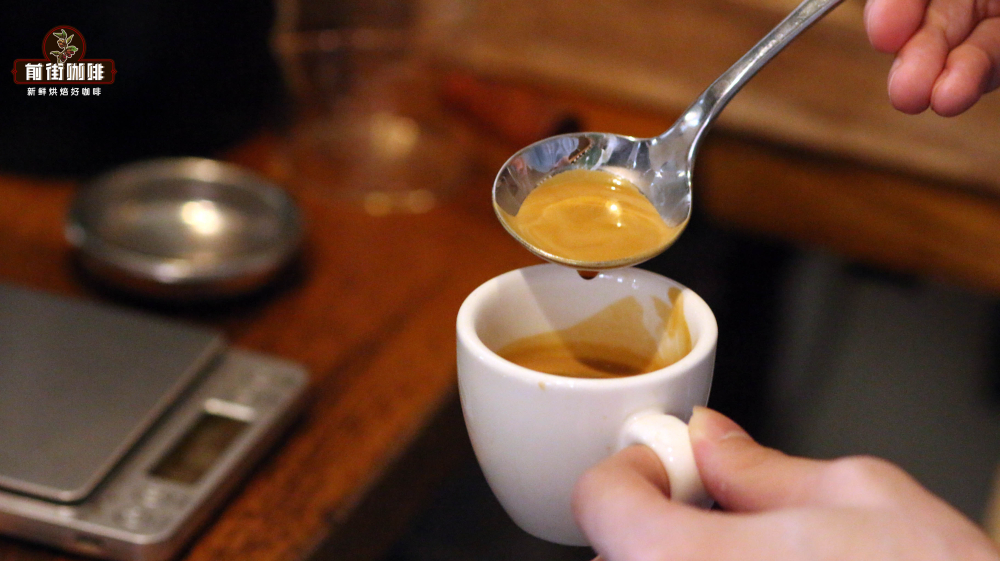
Espresso also has clear standards for its brewing method. The common “single shot” and “double shot” refer to single and double portions of espresso, respectively. According to the Specialty Coffee Association (SCA), a single shot uses 7–9 grams of coffee grounds, while a double uses 14–18 grams, with an extraction time of about 20–30 seconds, yielding 25–35 grams of liquid, and a water temperature controlled at 90–96°C, under a pressure of 9–10 bar. Actual operations may involve slight adjustments in parameters by individual cafés based on bean types and equipment.
For instance, some shops set the water temperature at 94°C and maintain a pressure of 10 bar to bring out rounder fruit acidity and fermentation aromas. A single shot espresso typically uses a single-shot basket and handle, extracting about 20 grams of coffee liquid; a double shot uses a bottomless basket, extracting about 40 grams of coffee liquid in one go, suitable for those who prefer a stronger coffee flavor.
In summary, the charm of espresso lies not only in its intense taste but also in the precision and attention to detail in its brewing process. From selecting the blend, grind size, tamping pressure, to adjusting water temperature and extraction time, every step influences the final flavor. Mastering these fundamentals allows you to better appreciate this classic Italian coffee.
The above content is compiled by CoffeeHunters, a coffee news website.


