







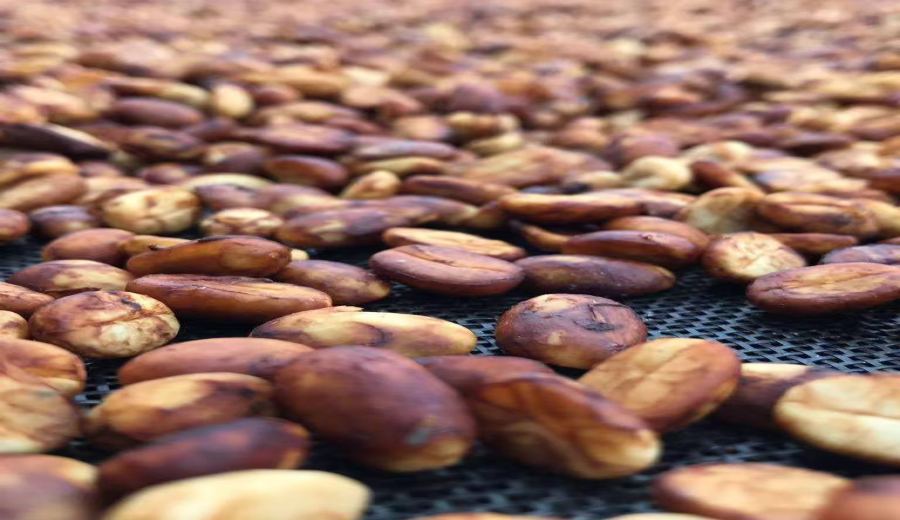
Introduction:Honey-processed coffee beans achieve unique sweetness and fruity profiles by adjusting the proportion of mucilage retained. This article starts with Brazil’s pulp natural method, explains how honey processing evolved in Central and South America, and analyzes the mucilage content, drying time, stirring methods, and appearance characteristics of white honey, yellow honey, red honey, and black honey—helping you choose the right honey-processed coffee based on your flavor preferences.
Many coffee beginners mistakenly assume that “honey processing” involves adding honey to enhance sweetness. In reality, it is a refined post-harvest coffee processing technique, where the key lies in retaining different proportions of mucilage for fermentation and drying, thereby influencing the coffee’s flavor profile. This method originated in Brazil and was later widely refined in Central and South America, particularly shining in Costa Rica. It has now become one of the important processing methods in specialty coffee.
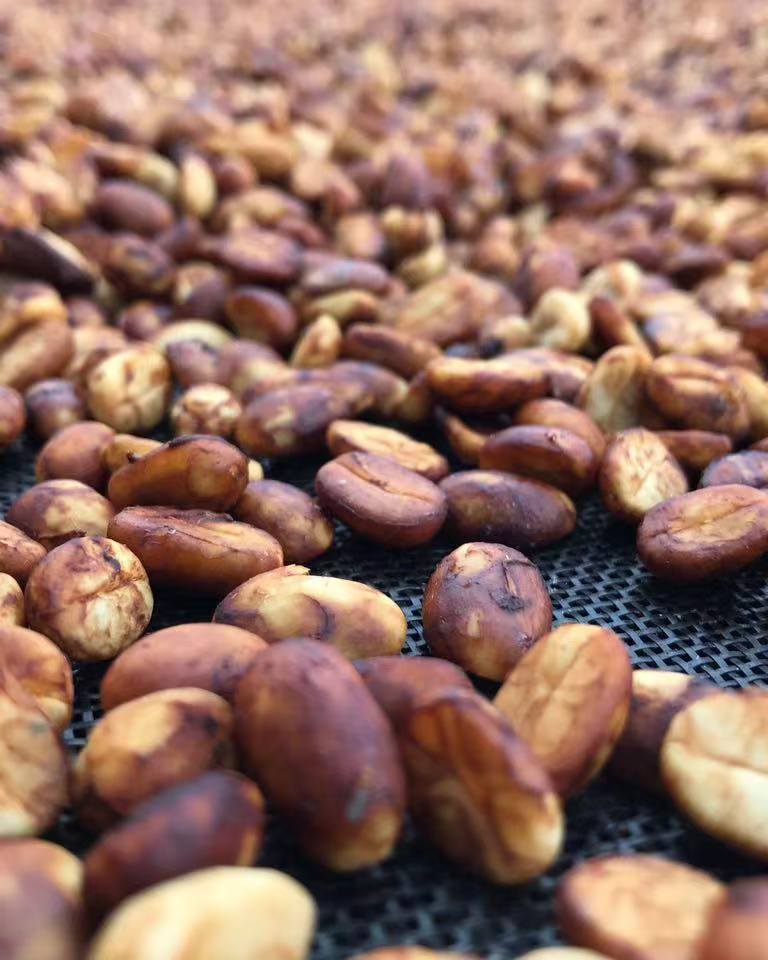
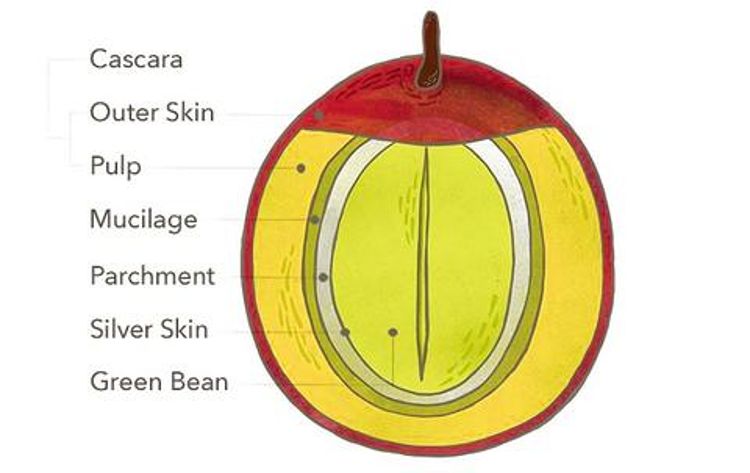
To understand honey processing, one must first familiarize themselves with the structure of the coffee cherry. From the outside in, the coffee cherry consists of the skin, pulp, mucilage, parchment, silver skin, and the core seed—the coffee bean we drink. Traditionally, coffee beans are mainly processed via the washed method or the natural (sun-dried) method. The washed method removes the skin and pulp first, then washes and dries the beans; the natural method involves directly sun-drying the fruit with the pulp intact until the moisture level is reached, then hulling. Honey processing falls between the two, retaining some mucilage during drying to impart a richer layered flavor to the coffee.
In the 1990s, Brazil developed the pulp natural method (Pulped Natural), also known as “Cereja Descascada,” to improve drying efficiency. This approach removes the skin first, then dries the beans with some remaining pulp under the sun. It not only shortens the drying time but also reduces the likelihood of off-flavors. Subsequently, coffee farms in Central and South America adjusted the degree of mucilage retention based on local climates, further developing various processing levels such as white honey, yellow honey, red honey, and black honey, making honey processing styles more diverse.
The first step in honey processing is to place the fresh coffee cherries in a water tank for flotation, removing unripe cherries and impurities. Then, specialized equipment is used to remove the outer skin. At this point, the coffee beans still retain some pulp and sticky mucilage, which undergo a period of dry fermentation before entering the drying stage. The term “honey” refers to the viscous texture formed by the sugars in the mucilage during fermentation, resembling honey—hence the name. This process not only preserves the coffee’s natural sweetness but also brings out richer fruit and floral notes.
Compared to the washed method, honey processing can save about 40% of water usage while avoiding the defective flavors caused by prolonged intense sun exposure. Honey-processed coffee typically exhibits delicate fruit acidity, rich floral notes, and a smooth mouthfeel, making it highly favored in the specialty coffee market. For example, Guatemalan New Oriental Geisha processed with honey processing has been praised for its flavors of sweet orange, toffee, and bergamot.
Mucilage is the product of enzymatic action in the coffee cherry, rich in sugars and moisture, located beneath the skin and pulp but above the parchment. This viscous substance is key to the flavor of honey processing, with its retention amount and degree of fermentation directly impacting the final flavor. Farmers can control the mucilage amount through quantitative mucilage removers or by adjusting the daily stirring frequency, thereby shaping honey-processed coffee beans with different colors and flavors.
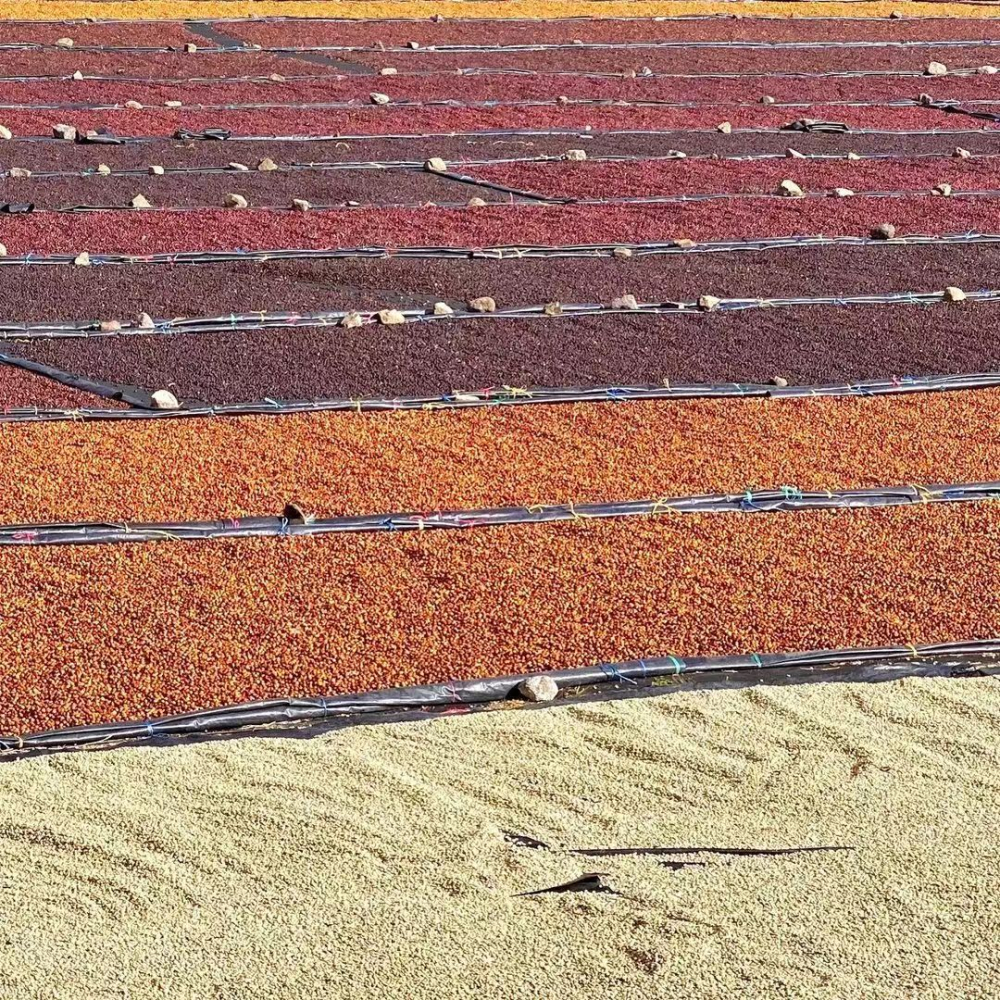
Honey processing is divided into four main categories based on the amount of mucilage retained, each with distinct characteristics:
Black HoneyRetains nearly all of the mucilage, usually over 80%, and has the longest drying time, often requiring more than 14 days. To avoid overly fast drying, shading is often necessary, or even sun-drying in the shade, ensuring full sugar conversion. These beans have uneven exterior colors, intense fermentation aromas, and the most prominent sweetness and body.
Red HoneyRetains about 50%–80% of the mucilage and is one of the more common types on the market. The drying time is around 12 days, with stirring frequency adjusted according to weather conditions, usually multiple times a day. The beans have a darker appearance, with mild fermented fruit aromas, balanced acidity and sweetness, and a richly layered flavor.
Yellow HoneyRetains 15%–50% of the mucilage, with a drying period of about 8 days. It requires ample sunlight and high temperatures, with stirring typically every hour or even more frequently to ensure even heating. The exterior appears uniformly yellow-green, with a fresher flavor and aromas similar to uncooked rice or green grass.
White HoneyRetains only 10%–15% of the mucilage, almost approaching the washed method but with a small amount of mucilage still retained. It dries the fastest, in about 5–7 days, with the beans spread thinly and requiring frequent stirring to maintain fermentation activity. The exterior color is the lightest, appearing pale yellow or green, with aromas leaning toward herbal plants and a bright, refreshing flavor.
In summary, honey processing is a flexible and expressive coffee processing method. By adjusting the amount of mucilage retained and the drying conditions, it can present a diverse range of flavors—from bright and clean to rich and bold, from fruity to sweet. Whether you’re a pour over coffee enthusiast or searching for coffee beans with a specific flavor profile, understanding the differences between white honey and black honey can help you find your perfect match.
The above content is compiled by CoffeeHunters, a coffee news website.


