








Introduction:As one of the most popular coffee beverages in the world, the latte carries with it a rich historical background and exquisite craftsmanship. This article begins with the Blue Bottle coffeehouse in 17th-century Vienna, traces the origin story of the latte, analyzes its cultural and recipe differences with the café au lait, and delves into the standard proportions, extraction parameters, milk frothing techniques, and tamping essentials of the Italian-style latte. Whether you're a coffee enthusiast or a professional, you'll find practical insights and technical inspiration here.
In coffee shops around the world, the latte (Caffe Latte) is undoubtedly one of the most frequently ordered drinks. Yet this globally beloved beverage has a much richer and more storied history, recipe ratio, and production detail than we might imagine. This article will take you back to the Blue Bottle coffeehouse in Vienna in 1683 to explore the origins of the latte, distinguish it from the café au lait, and detail the preparation process of the Italian latte—including extraction parameters, dosing and tamping techniques, milk frothing methods, and more—so you can deeply appreciate the charm of this classic coffee.
Going back to the 17th century, Vienna was under siege by the Ottoman Empire. In 1683, Turkish forces surrounded the city, and the Christian inhabitants urgently needed outside help. At this critical moment, Fanz George Kolschitsky, a Viennese merchant who had lived in Turkey for many years, stepped forward. Thanks to his fluent Turkish, he managed to cross enemy lines and seek aid from Poland. Eventually, the Christian allied forces arrived and drove the Turks away. As they retreated, the Turkish army left behind a large amount of supplies, including dozens of sacks of coffee beans, which at the time were of little recognized value—except to Kolschitsky, who understood their potential.

Using these coffee beans, Kolschitsky opened Vienna’s first Blue Bottle coffeehouse. Initially, he brewed the coffee in the Turkish style, but because it was unfiltered and overly strong in flavor, it wasn’t well received. So he improved the method by using cloth to filter out the coffee grounds and adding milk and honey to create a smoother and more popular new-style coffee, which became the prototype of milk coffee. This coffeehouse later became a well-known social venue in Europe and laid the foundation for the modern latte.
So, what exactly is a “latte”? The word “latte” means “milk” in Italian, so “Caffe Latte” literally translates to “coffee with milk.” In English and French, similar drinks have different names; for example, the French “Café au Lait,” often translated into Chinese as “café au lait” or “欧蕾咖啡.” It’s worth noting that the term “latte” only became widely used outside Italy in the 1980s. It typically consists of one shot of espresso and two parts milk, with relatively little—or even no—milk foam.
The traditional Italian latte ratio is 1 (espresso): 2 (milk): 1 (milk foam), though in practice, the thickness of the foam is often adjusted to personal preference. Compared to cappuccino, the latte emphasizes a stronger milk flavor with a softer coffee taste, making it very suitable to enjoy with breakfast. For Italians, the latte is a staple at the morning table, often paired with bread or pastries, and is part of everyday life.

To make an authentic Italian latte, the materials and tools are not complicated: a small cup of espresso (about 30 ml) and 150–200 ml of hot milk. The method is simple and intuitive: slowly pour the near-boiling milk into the freshly extracted espresso, allowing the two to blend thoroughly. If you want to add layers of foam, you can top the hot milk with a layer of cold foam, similar to Starbucks’ Americano-style latte. The contrast between warm milk and cold foam also offers a different textural experience.
If you choose not to add milk but instead top the espresso with two large spoonfuls of milk foam, you get what Italians know as an Espresso Macchiato (literally meaning “stained coffee”). Additionally, the café au lait (Cafe Au Lait) is the French version of milk coffee, made by pouring espresso and hot milk together into a large cup and topping it with whipped cream, emphasizing the immediate fusion of coffee and milk flavors.
For those aspiring to become professional baristas, making a high-quality latte is not just about pouring milk. From extracting the espresso, frothing the milk, to the final integration and latte art, every step tests the barista’s fundamentals. Many cafés even use the latte as a direct evaluation criterion when hiring baristas, assessing applicants’ understanding of coffee and technical proficiency.

Among the many coffee beans, selecting a suitable Italian-style blend for making lattes is especially important. Common choices include dark-roasted beans, which typically bring out rich chocolate, nut, and caramel notes that pair well with milk. For example, blends composed of Brazilian, Indonesian, and Vietnamese beans, when roasted to the right degree, can deliver a full-bodied texture and abundant crema, making them ideal for both Americanos and lattes.
Making an ideal shot of espresso requires mastering several key elements, including bean selection, grind adjustment, even distribution (dosing and leveling), and proper tamping pressure and direction. First, it’s recommended to use dark-roasted beans with about ten days of rest, which helps avoid excessive degassing and channeling, ensuring stable extraction. Additionally, adjusting the grinder’s settings regularly according to temperature, humidity, and bean condition is an important step in maintaining consistent extraction.
How evenly the coffee is distributed after dosing directly affects subsequent leveling and extraction quality. Uneven distribution can lead to inconsistent puck density, which in turn affects water flow rate and uniformity, ultimately impacting the coffee’s flavor. During practice, you can use a scale to assist with weighing and rotate the portafilter handle to distribute the coffee grounds more evenly in the basket.

There are various methods for leveling, including the flat level, tapping method, and tool-assisted leveling. No matter which technique you use, the ultimate goal is to achieve a flat, compact coffee bed, avoiding holes or channeling. When tamping, pay attention to keeping the direction vertical and the force consistent to ensure the coffee is firmly compressed, allowing hot water to penetrate evenly and extract balanced flavors.
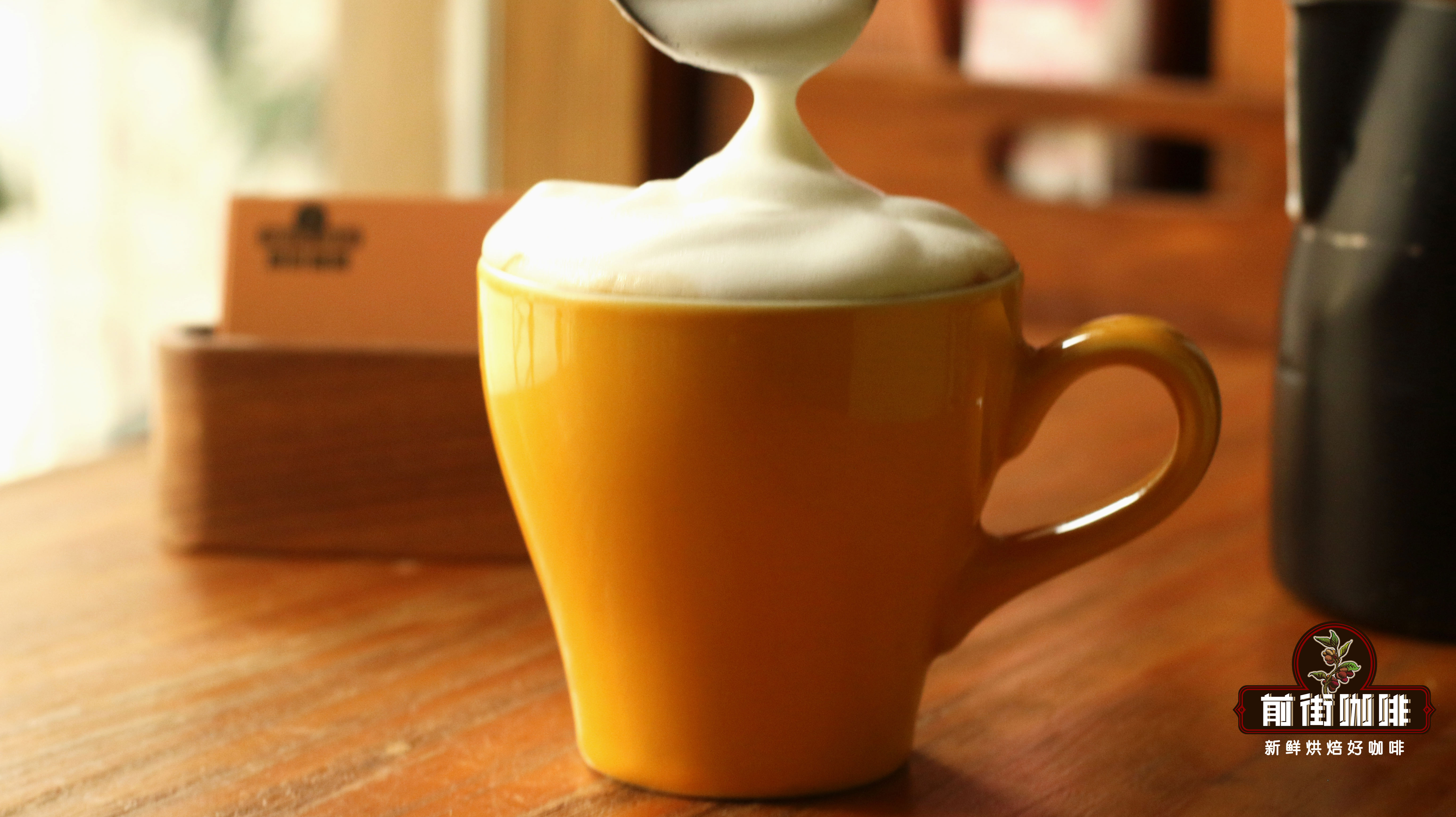
As for milk frothing, it’s recommended to use whole milk with a fat content between 3.2% and 3.8%, as this type of milk produces dense and stable microfoam. When frothing, insert the steam wand into the milk at about a 45-degree angle, roughly 1 cm deep. Begin with aerating, then swirling, and finally integrating the macro and micro bubbles until the desired temperature and texture are reached. Throughout the process, listen to the steam sound, observe the milk’s movement, and control the angle of the steam wand to avoid over-frothing or spillage.
Finally, when both the espresso and milk foam are ready, you can begin pouring the milk. Gently swirl the cup to distribute the crema evenly, then tilt the cup at about a 40-degree angle and pour a thin stream of milk from the center, spiraling outward until the cup is about two-thirds full, then proceed with latte art. The push-layer heart technique is a classic method: start from one-third down the cup, push out a semi-circle, move forward, and finish with a fine line to form a complete heart shape.



The above content is compiled by CoffeeHunters, a coffee news website.


