








Introduction:Espresso is the soul of many cafés. Whether you love a strong shot or prefer a milky latte, understanding the different types of espresso-based drinks is your first step into the world of coffee. This article will systematically introduce common types of espresso beverages—from the "three brothers" of espresso, classic black coffees, to various milk-based coffees and creative specialty drinks—helping you quickly grasp the characteristics and basic differences of each drink, and enhancing your ability to order and appreciate them.
Step into any café, and espresso-based drinks are almost always the stars of the menu. From classic Americanos, lattes, and cappuccinos, to more technique-driven flat whites and piccolos, and even creative fusions like mochas and affogatos, each drink has its own unique extraction logic and flavor profile. This article will break down these common espresso drinks in detail, helping you evolve from a beginner into a confident coffee enthusiast who can order with assurance and savor the differences.
First, let’s get to know the foundation of espresso: the “three brothers”—Espresso, Ristretto, and Lungo—as well as Doppio. These four are the core bases of all espresso drinks. Understanding them is like holding the key to unlocking the world of espresso.
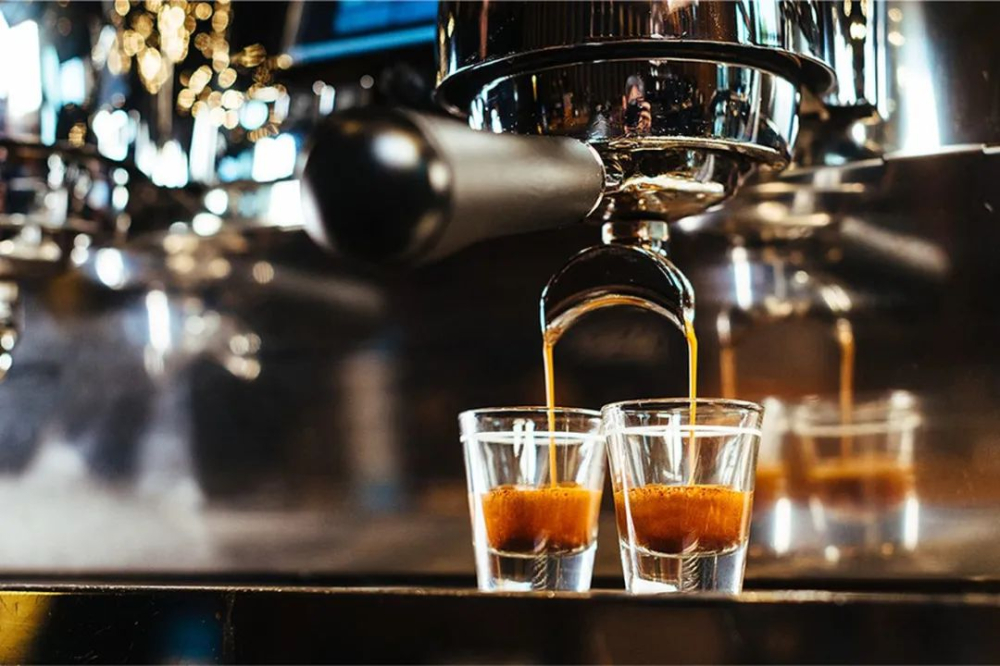
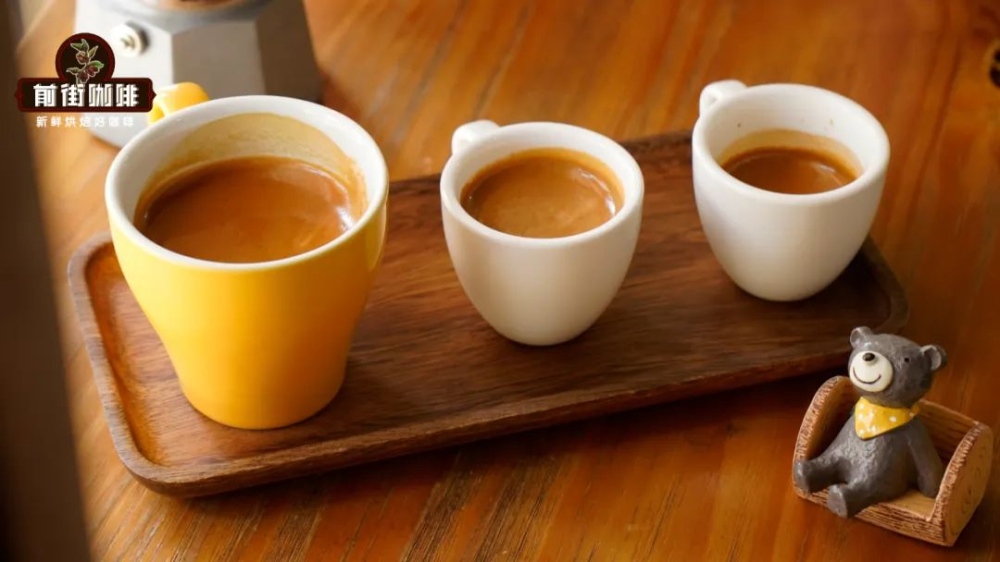
A standard Espresso typically uses 20 grams of coffee grounds, extracted within 25–30 seconds to yield about 40 grams of espresso, with a coffee-to-water ratio of approximately 1:1.5–2.5. This coffee is intense in flavor, with balanced acidity and bitterness, and its crema is one of its defining features. Ristretto, on the other hand, is extracted for the same amount of time but only captures the first, more concentrated part of the shot, using a coffee-to-water ratio of about 1:1–1.5, yielding around 28 grams. As a result, it has a more intense flavor, noticeable sweetness, but a shorter aftertaste, and is often used in making flat whites. In contrast, Lungo extends the extraction time, increasing the coffee-to-water ratio to 1:4–5, with a total liquid volume of up to 100 grams. Although it yields more liquid, it is often overly diluted and over-extracted, resulting in a noticeably bitter taste and thinner mouthfeel.
Additionally, a Doppio isn’t simply a double shot of Espresso—it’s a single shot made with double the amount of coffee grounds, resulting in a relatively smaller yield, thus a higher concentration and richer flavor. It’s the preferred choice for those who enjoy a stronger taste.
If you prefer black coffee without milk, then the Americano and Long Black are two classic choices. An Americano is made by adding hot water to one or two shots of Espresso, with a coffee-to-water ratio of about 1:5–1:8, resulting in a relatively refreshing taste suitable for a wide audience. A Long Black, however, is made by pouring hot water first and then adding Espresso, usually in a 1:3 ratio, making the coffee flavor more pronounced and layered. It is recommended to enjoy it only as a hot drink and is a popular choice in Australian coffee culture.
Stepping into the world of milk-based coffee, the latte is arguably the most well-known representative. This drink, originating from the Italian word for “milk,” is more accurately called Caffe Latte, consisting of one shot of Espresso with 5–8 times the amount of steamed milk and a small amount of milk foam. It has a rich milky aroma and smooth texture, making it a top choice for many coffee beginners. The cappuccino, on the other hand, consists of coffee, steamed milk, and milk foam in a 1:1:1 ratio, with thick foam that often rises above the rim of the cup, and is a classic breakfast pairing in Italy.
The macchiato is made by adding a spoonful of fine milk foam to a shot of Espresso. “Macchiato” means “spotted” in Italian, named for the spot of foam on top. Its flavor is slightly milder than Espresso but still retains its intense essence. Meanwhile, the flat white, popular in Australia, uses less foam and finer microfoam, paired with one or two shots of Espresso. It has slightly more milk than a cappuccino but less than a latte, offering a smoother and more concentrated taste, making it an ideal choice for those who enjoy milk flavor without it being too heavy.
The piccolo latte is a mini version of a latte, served in a 3-ounce cup, made with one shot of Espresso and a small amount of steamed milk. It has a low milk foam ratio and a more concentrated flavor, and is also served hot. As for the dirty coffee, though not a traditional espresso drink, it has gained popularity in recent years due to its striking visual and flavor presentation. It’s made by pouring freshly extracted Espresso directly over ice-cold milk, creating a distinct separation between coffee and milk. It has an intense, cold, and bold taste, perfect for those who enjoy strong contrasts in flavor.
Finally, let’s take a look at a few representative specialty espresso-based drinks. The mocha is made by adding chocolate syrup or cocoa powder to a latte, combining the enjoyment of both coffee and dessert. The caffè marocchino is served in a small cup, with layers of Espresso, cocoa powder, steamed milk or milk foam, and a final sprinkle of cocoa powder on top. It has a rich flavor with strong notes of both chocolate and coffee.
Others include the affogato, which is Espresso poured over vanilla ice cream, serving as both a coffee and a dessert; the con panna, which is Espresso topped with whipped cream—simple yet flavorful; the caffè corretto, which adds a small amount of liquor such as Grappa or Sambuca to Espresso, adding layers of flavor; and the caffe shakerato, a European-style iced shaken coffee where Espresso and syrup are shaken with ice in a cocktail shaker and then strained into a martini glass, resulting in a refreshing, foamy texture—a great summer choice.
Whether you’re just beginning to explore the world of coffee or already have some knowledge, familiarizing yourself with the categories and characteristics of these common espresso drinks will help you make more informed choices when ordering and allow you to better appreciate the craftsmanship and flavor stories behind each beverage.

The above content is compiled by CoffeeHunters, a coffee news website.


