








Introduction:When you walk into a café and face an overwhelming menu, do you often feel unsure where to start? This article will provide a detailed breakdown of 10 common coffee drinks, including espresso, latte, cappuccino, cold brew, and specialty drinks, analyzing their ingredient selection, brewing methods, milk ratios, and flavor profiles. Whether you're a beginner or a coffee enthusiast searching for your favorite taste, you’ll find practical guidance here to craft your perfect coffee experience.
Walking into a café for the first time, are you a bit overwhelmed by the menu? In fact, the most common coffee drinks on the market can be roughly divided into ten types: espresso, SOE (single origin espresso), Americano, latte, flat white, cappuccino, pour over coffee, cold brew, Dirty, and specialty coffee. These drinks are mostly based on Arabica beans, but due to different brewing techniques, milk ratios, and preparation methods, each presents a unique flavor profile.
Below, we’ll start with espresso-based drinks and gradually introduce these ten common coffee beverages, covering their basic recipe logic, key points in coffee bean selection, and the most suitable drinking scenarios. This will help you quickly build a basic understanding of various types of coffee and more accurately choose the one that suits your taste preferences.

Espresso-based: Espresso, SOE, Americano, Latte, Flat White, Cappuccino, Dirty
Espresso (Espresso)It is the most classic Italian coffee base, made by quickly extracting finely ground coffee powder with high-pressure hot water, typically yielding about 30ml of rich coffee liquid within 30 seconds. To pursue stable flavor and cost-effectiveness, most shops use multi-origin blends, roasted to medium-dark or darker levels to enhance the richness and body of the flavor. It has a strong taste, often with caramel, chocolate, and nutty aftertastes, and serves as the soul base for many coffee drinks.
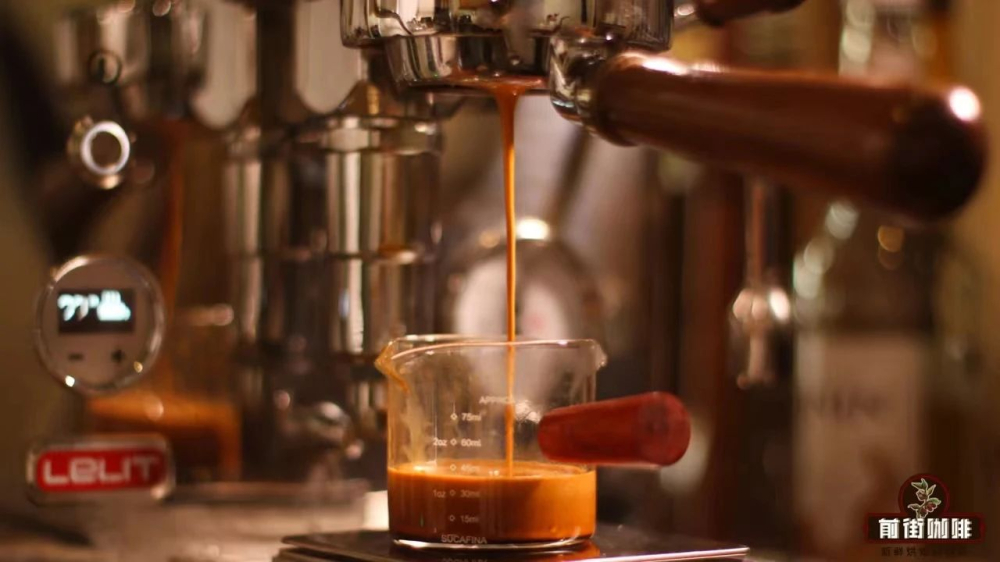
SOE (Single Origin Espresso)This is espresso made using single-origin coffee beans. Compared to blends, it better highlights the unique terroir characteristics of the origin, such as bright acidity, floral notes, or distinctive spice tones, with a clearer layering. It’s a great entry choice for those who enjoy exploring the original flavors of coffee.
Americano (Americano)It’s made by diluting espresso with water, and you can choose it hot or as an iced Americano based on personal preference. The method is simple yet retains the core flavor of espresso, making it suitable for those who enjoy coffee itself but prefer less milkiness.
Latte (Caffè Latte)It’s a classic combination of espresso and steamed milk, with a ratio of roughly 1/3 espresso and 2/3 milk, topped with about 1 cm of fine milk foam. It has a smooth texture and noticeable milk aroma, suitable for those who want to enjoy the harmonious blend of milk and coffee.
Cappuccino (Cappuccino)Also composed of espresso, milk, and foam, but with a thicker foam layer of about 1.5 cm, and an overall ratio close to 1:1:1. Its characteristic is a dense texture and firm foam, usually served hot and also makes an excellent companion for afternoon tea.
Flat White (Flat White)It’s a popular variation of Italian coffee in recent years, with a ratio of about 2/3 espresso and 1/3 milk, and a foam thickness of only about 0.5 cm, making the coffee flavor more prominent. The milk aroma is soft without overpowering, offering a more concentrated and delicate overall taste. It’s the top choice for those who want a strong coffee feel without heaviness.
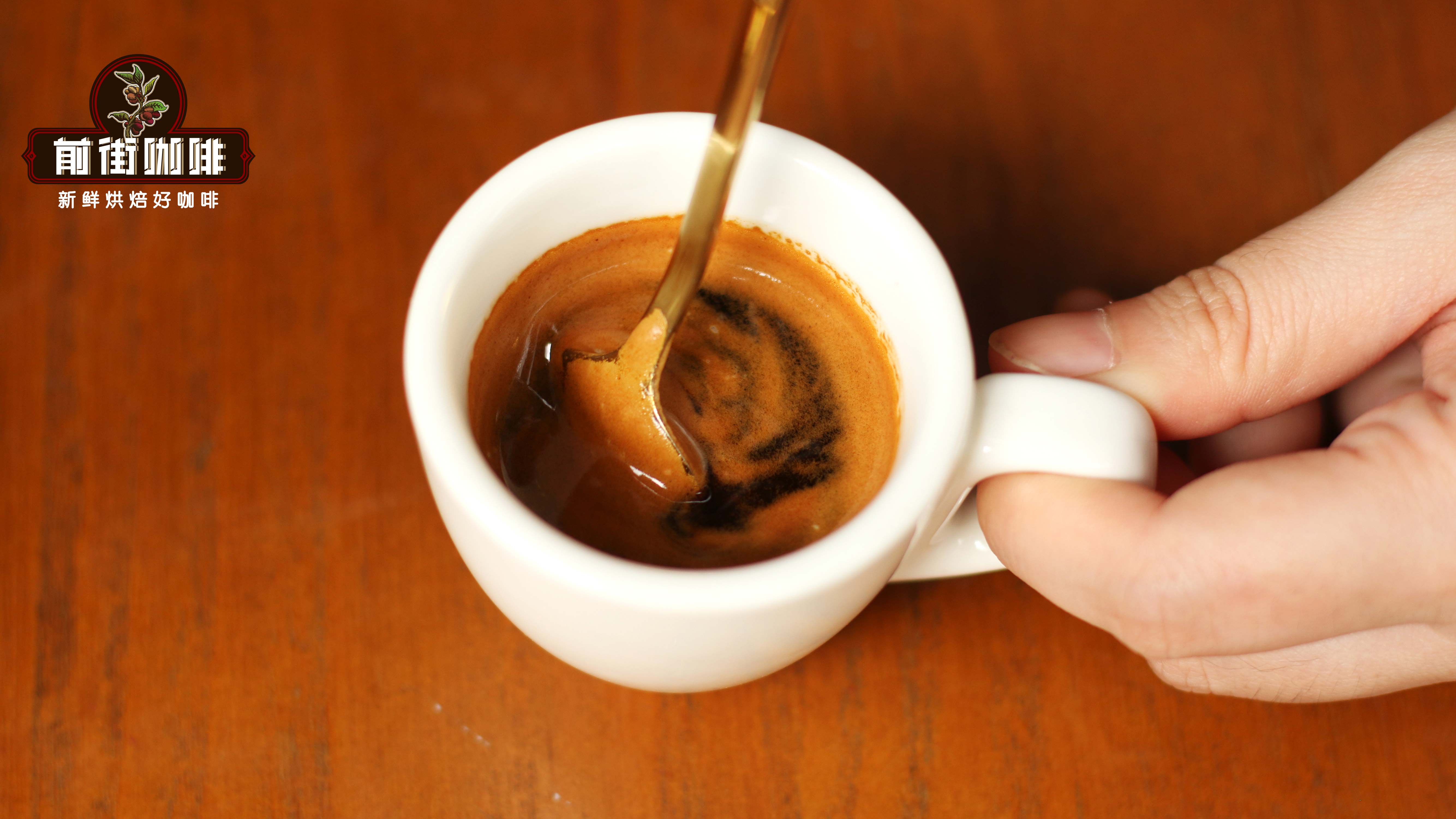
DirtyIt’s an ice coffee with a striking visual and flavor contrast. The method involves pouring hot espresso directly into a cup filled with ice milk or ice bock (distilled milk), creating a clear separation between coffee and milk. It’s recommended not to stir when drinking, but instead experience the layered transition from milk to espresso from top to bottom. Cold and hot intermingle, making it a very distinctive choice.
Pour Over (Pour Over)This is a completely different brewing method that uses a filter dripper and manual pouring to evenly wet the coffee grounds with hot water, filtering out coffee grounds through paper to extract a clear and layered coffee liquid. This method emphasizes the flavor expression of the coffee itself, suitable for those who enjoy fruity acidity, floral notes, or tea-like profiles. It’s recommended to use freshly roasted specialty coffee beans, and to brew them ideally within 5 days of roasting for the best flavor performance.

Cold Brew (Cold Brew)It involves using medium-fine ground coffee beans, steeped in cold water for at least 8 hours or more. The process is gentle, significantly reducing the bitterness and harshness of coffee, and extracts a mellow and smooth iced coffee. A common coffee-to-water ratio is 1:12 (actually 1:8 coffee grounds with 8 parts water mixed with 4 parts ice), maintaining a low water temperature helps stabilize extraction efficiency. The flavor is fresh and suitable for summer consumption.
In addition, some coffee shops offer similar techniques such asIce Drip (Ice Drip)which involves slowly dripping ice water through coffee grounds drop by drop. The entire process often takes over five hours, and some shops even refrigerate the extracted liquid overnight to allow the flavor to become rounder. Ice drip coffee often carries a rich wine-like aroma and fruity acidity aftertaste, suitable for those who enjoy deep flavors and fermented textures.
Signature / Flavored Coffee (Specialty Coffee)Refers to creative coffee drinks made using various brewing methods as a base, then adding ingredients such as fruits, syrups, teas, and spices. The most common include elements like citrus, berries, caramel, or vanilla, creating a sweet yet not cloying, multi-layered drinking experience. These drinks come in diverse styles, making them ideal for those who like to try new things or seek a balance of sweetness.

The above content is compiled by CoffeeHunters, a coffee news website.


