







Introduction:This article delves into the transformation of Yirgacheffe coffee beans from light-roast pour over to SOE espresso, analyzing the flavor evolution of single-origin beans in the espresso brewing process, as well as the practical differences between SOE and blended beans. Readers will gain an understanding of the production logic behind SOE, the extraction challenges of light-roast beans, and performance references for Yirgacheffe Natural Red Cherry in espresso, Americano, and latte formats. Additionally, you’ll learn about the standard ratios for Americano coffee and common troubleshooting tips.
Yirgacheffe coffee beans are renowned for their distinctive bright acidity and delicate floral notes. Especially under the washed process, their lemon and citrus profiles are particularly crisp and refreshing, making them a popular choice for many coffee enthusiasts just starting out. However, when this classic light-roast washed bean is used in SOE (Single-Origin Espresso), its flavor profile undergoes significant changes—changes that are worth exploring in depth.
The Concept and Market Trends of SOE
SOE refers to espresso made using coffee beans from a single origin, single farm, or single processing method. With the development of specialty coffee culture, consumers are no longer satisfied with the stable performance of traditional blends and instead seek the unique character and regional flavors of single-origin beans. This has driven the rise of SOE as a trend in both cafes and home brewing.
However, SOE is not always superior to blends. Since espresso is extracted under high pressure and at high speed, the inherent characteristics of the beans are greatly amplified. What might present as an elegant balance of sweetness and acidity in a pour-over can become overly sharp or bitter in an espresso. For example, a light-roast Yirgacheffe may easily turn its acidity into an unpleasantly sharp acetic note under espresso conditions, rather than showcasing a pleasing fruity brightness.
The Light-Roast Characteristics and Extraction Challenges of Yirgacheffe
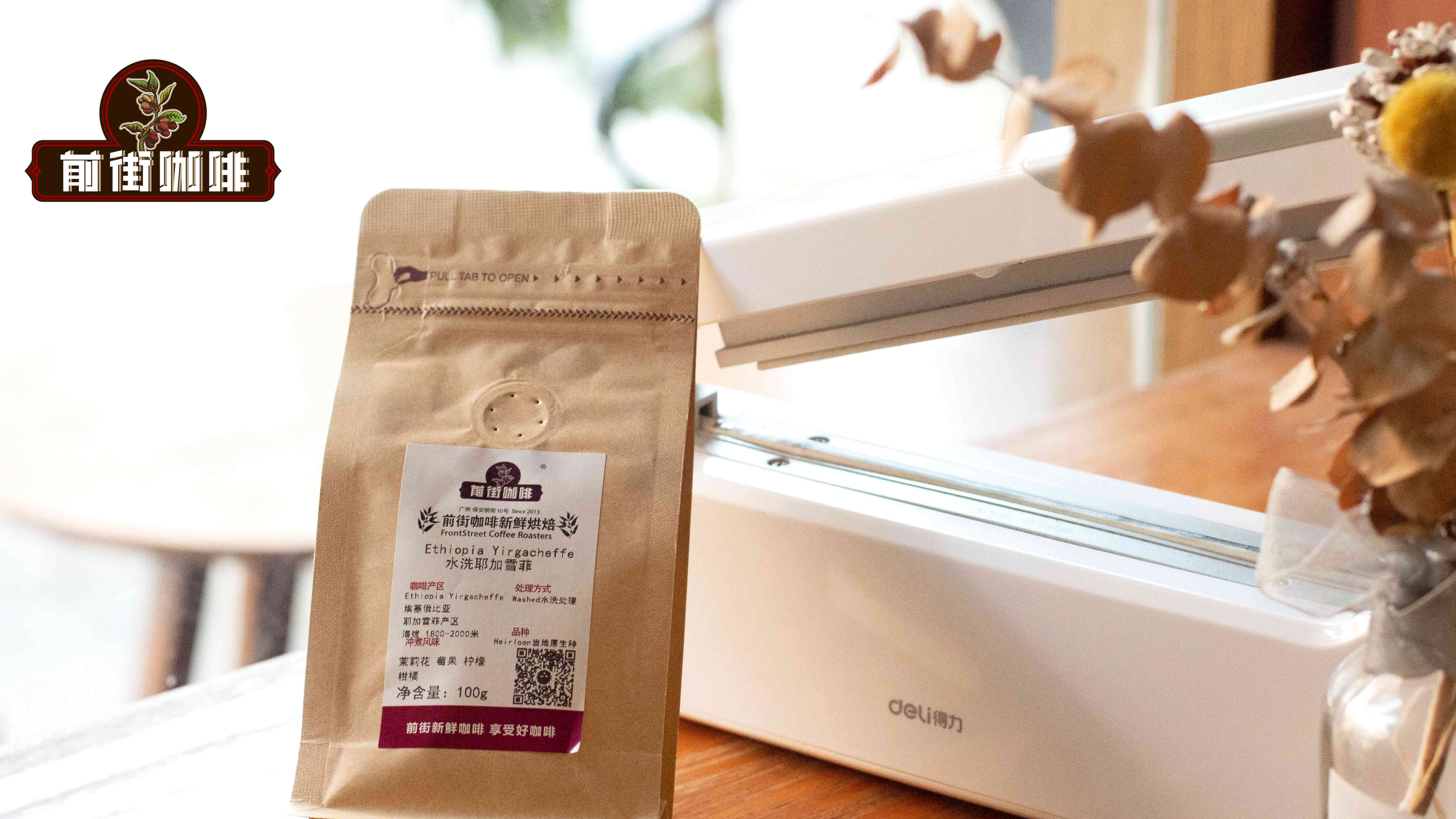
Take Yirgacheffe as an example. This Ethiopian-origin coffee bean, even under light roasting, retains a high level of fruit acidity and floral aroma. Combined with the washed process, its flavor tends toward lemon, bergamot, and subtle hints of honey sweetness. It tastes bright and clean on the palate, with a layered finish that extends upward, making it a classic favorite among many pour-over enthusiasts.
But when it’s used in espresso, the increased extraction pressure and temperature can cause the acidity to become jarring if not properly managed, potentially disrupting the overall harmony of the drink. Therefore, beans chosen for SOE should possess sufficient structural complexity and layers to maintain stability under high-pressure extraction.

Which Single-Origin Beans Are Suitable for SOE?
To allow the flavors of a single-origin bean to shine clearly in an espresso, it’s recommended to choose beans with distinct regional characteristics and processing styles. Take Yirgacheffe Natural Red Cherry as an example. This bean, processed via the natural method, exhibits pronounced berry and red wine notes. After espresso extraction, it delivers a gentle berry-like acidity and sweetness, with a smooth acidity that isn’t harsh, and a natural caramel-like finish. Compared to other light-roast washed beans, it’s more suitable for conversion into espresso form.
When used to make Americano, this bean maintains a smooth and layered profile even when diluted with a large amount of hot water, thanks to its well-balanced acidity and sweetness. In a latte application, its soft acidity complements the sweetness of milk, bringing out a honey-like aftertaste that is especially beloved by dairy coffee enthusiasts.
Parameters and Common Issues for Making Americano
The basic method for making Americano involves extracting a concentrated espresso base at a coffee-to-water ratio of about 1:2, then diluting it with hot water at approximately a 1:4 ratio. Taking Yirgacheffe Natural Red Cherry as an example, it’s recommended to use 20 grams of coffee grounds to extract 40 grams of espresso, with an extraction time controlled between 25 and 30 seconds. This is then followed by dilution at a 1:4 ratio (i.e., 40 grams of espresso to 160 grams of hot water) to complete the Americano.
In terms of flavor, an ideal Americano should have a rich and balanced mouthfeel—not too thin (watered-down) nor exhibiting obvious burnt bitterness or sharp acidity. If you perceive a strong bitter taste, it’s usually due to over-extraction during the espresso phase, causing excessive release of insoluble substances. Conversely, if the acidity is too prominent, it may indicate under-extraction, meaning the coffee’s flavors weren’t fully released. A watered-down sensation is often caused by an excessively high proportion of hot water, resulting in over-dilution.
The Stability and Challenges of SOE
Although SOE can showcase the unique character of a single origin, its espresso flavor can fluctuate across different batches, roast levels, or extraction parameters. This is why many professional shops still prefer to use blends as the base for espresso—by adjusting the proportions of beans from different origins, they can effectively buffer the instability of individual beans under extraction conditions, thereby ensuring consistent flavor from cup to cup.
Therefore, if you’re looking to try making Yirgacheffe SOE espresso at home, it’s recommended to first familiarize yourself with the bean’s pour over characteristics, then gradually adjust grind size, water temperature, and pressure to find the optimal parameter combination for high-pressure extraction. This will further enhance the stability and complexity of the flavor expression.

The above content is compiled by CoffeeHunters, a coffee news website.


