







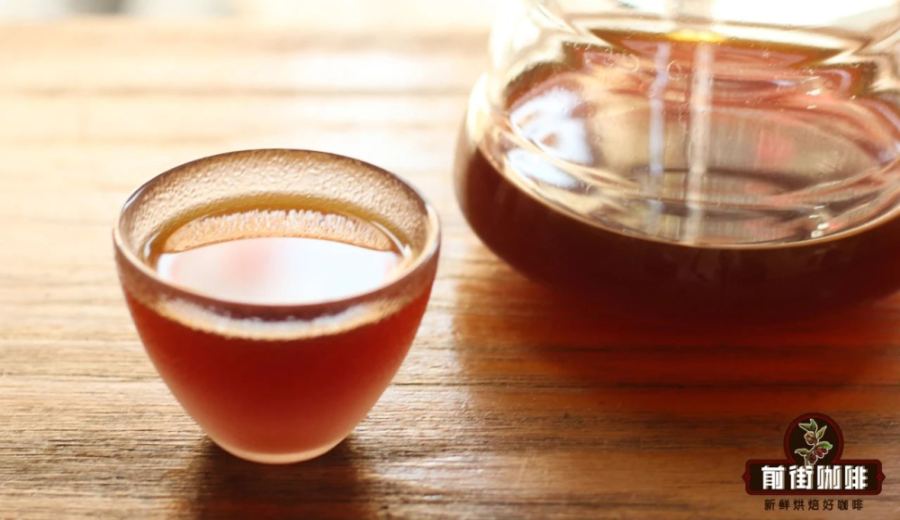
Introduction:Kenyan coffee beans are renowned for their bright acidity and sweet aftertaste, and they also stand out among many of Starbucks' specialty offerings. Their unique flavor profile stems from high-altitude cultivation, volcanic soil, and classic varieties such as SL28 and SL34, combined with a double-washed processing method, resulting in a refreshing fruit acidity reminiscent of cherry tomatoes and a caramel-like sweetness. This article delves into the regional characteristics, AA grading system, varietal differences of Kenyan coffee, and provides practical pour-over parameters and flavor notes to help you better understand this highly acclaimed coffee bean.
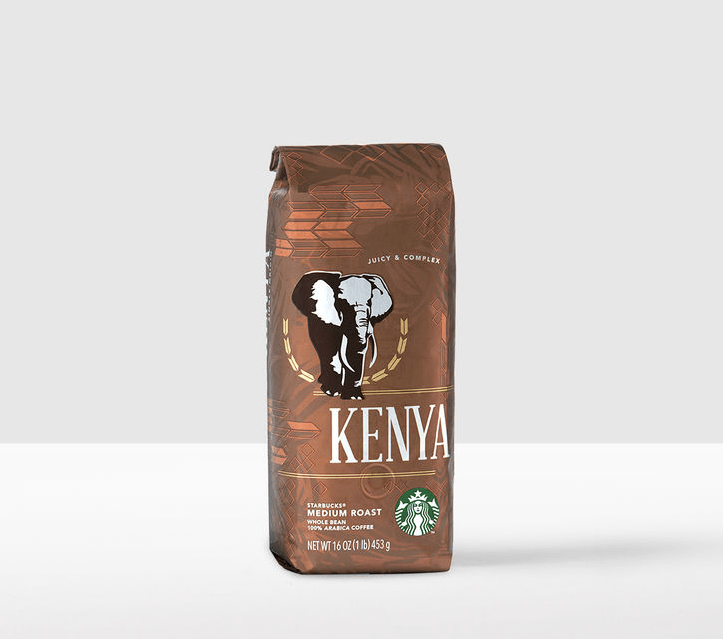
Among the many specialty coffee-growing regions, Kenyan coffee has won the hearts of coffee lovers worldwide with its distinctive acidity, becoming one of Starbucks’ star coffee beans. In particular, the Kenyan coffee beans packaged in an eye-catching orange-yellow wrapper adorned with the image of a strolling African elephant have garnered significant attention due to their intense and layered flavors. This African elephant is not just a design element but also symbolizes the robust yet wild flavor personality of Kenyan coffee, much like the elephant itself.
Located in East Africa on the equator, Kenya benefits from a high-altitude geographical environment and stable tropical savanna climate—conditions that provide nearly perfect natural settings for coffee cultivation.High AltitudeNot only extends the ripening time of coffee cherries, allowing the beans to accumulate more complex flavor compounds, but the region’s mineral-rich volcanic soil—especially its relatively high phosphorus content—also plays a crucial role in the development of fruit acidity and aroma. This contributes to the common notes of cherry tomato and berry-like acidity found in Kenyan coffee.
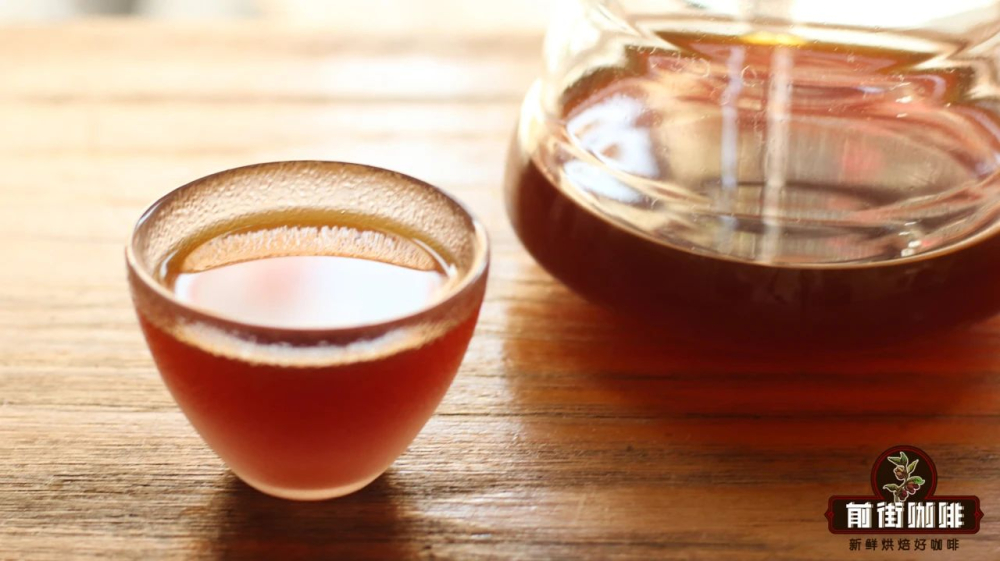
When it comes to the varieties of Kenyan coffee,SL28 and SL34are the two most prominent cultivars and classic choices that consistently perform well in coffee evaluations. SL28 belongs to the Bourbon genetic group, with rounder and fuller beans, exhibiting complex and varied acidity alongside excellent sweetness balance. SL34, on the other hand, is of the Typica genetic lineage, featuring slightly elongated oval beans that typically display clean, bright acidity and high sweetness. Although disease-resistant varieties such as Ruiru11 and Batian are also grown, the SL series remains the most favored in the specialty market.
The most common processing method for Kenyan coffee is the double-washed process (also known as the 72-hour wash), which more thoroughly removes the mucilage layer. This preserves a clear and bright acidity while minimizing impurity interference, leading to a purer final flavor. In terms of roast level, to retain its signature strong fruit acidity and juicy mouthfeel, most roasters opt fora medium-light to medium roast,allowing the balance between acidity and sweetness to shine through perfectly.
Speaking of Kenyan coffee grading, one cannot overlook the “AA” grade. This is an official sieve-based grading system used in Kenya, classifying green coffee beans by size.Grade AA represents beans that are 17–18 mesh in size,making it the highest grade in the country’s coffee classification system. However, although AA generally indicates higher uniformity and cleanliness, the actual flavor of the coffee can still be influenced by factors such as growing altitude, microclimate, and processing methods. Therefore, grade alone does not determine flavor quality.
If you wish to brew Kenyan coffee at home and capture its classic flavor profile, it is recommended to choose a medium-light roasted Kenyan bean with a double-washed process, such as a blend of SL28 and SL34. For example, a common flavor profile reminiscent of “cherry tomatoes” will deliver the bright acidity of dark plums and cherry tomatoes, paired with moderate sweetness and a berry-laden finish. Below are some practical pour-over recommendations:
Coffee Dose:15 grams
Total Water Volume:225 milliliters
Brew Ratio:1:15
Water Temperature:91°C
Grind Size:Fine sugar-like granularity (approximately 80% through a #20 sieve, or EK43s setting 10)
Filter:A V60 with faster flow rate is recommended to highlight acidity and avoid over-extraction
Here are the specific steps: Start with a 30-gram bloom for 30 seconds, then pour 95 grams of water (total around 125 grams) over about 1 minute; when the water level drops to about two-thirds of the coffee bed, add the remaining 100 grams (totaling approximately 225 grams), finishing the drip at exactly 2 minutes. This extraction method fully highlights the bright, acidic brightness and rich juiciness characteristic of Kenyan coffee, with a gentle caramel and green tea aroma lingering in the aftertaste. The overall cup is refreshing and layered.
In summary, Kenyan coffee stands out in the international market not only due to its favorable natural conditions and superior varieties but also because of its rigorous grading system and refined processing techniques. From the African elephant on the Starbucks packaging to the vibrant acidity and sweetness in your cup, every detail reflects this East African nation’s strong presence in the specialty coffee scene. If you’re a fan of coffee with vivid fruit acidity and multi-layered complexity, Kenyan AA is definitely worth a try.
The above content is compiled by CoffeeHunters, a coffee news website.


