







Introduction:Espresso isn't just about straight shots — from its three core variants, classic black coffees to various milk-based styles, each type has its own unique extraction logic and flavor profile. This article systematically breaks down the standard recipes, coffee-to-water ratios, and brewing essentials of common espresso drinks such as Ristretto, Lungo, Americano, Long Black, Latte, Cappuccino, Macchiato, Flat White, Piccolo Latte, and Dirty. Whether you're ordering or brewing at home, this guide will help you master the differences and essence of each cup.
The world of espresso is far richer and more diverse than a single shot of Espresso. From foundational espresso bases like Espresso, Ristretto, and Lungo, to classic black coffees such as Americano and Long Black, to the globally beloved milk coffee family — including Latte, Cappuccino, Macchiato, Flat White, and Piccolo Latte — each coffee carries its own precise ratio and extraction logic, showcasing distinctly different flavor profiles. Beyond these, there are also specialty drinks like Mocha, Caffè Marocchino, Affogato, Con Panna, and Caffè Corretto, as well as newer favorites like Dirty and European-style Iced Shaken Coffee (Caffe Shakerato). These are both classic and innovative creations worth exploring in depth.
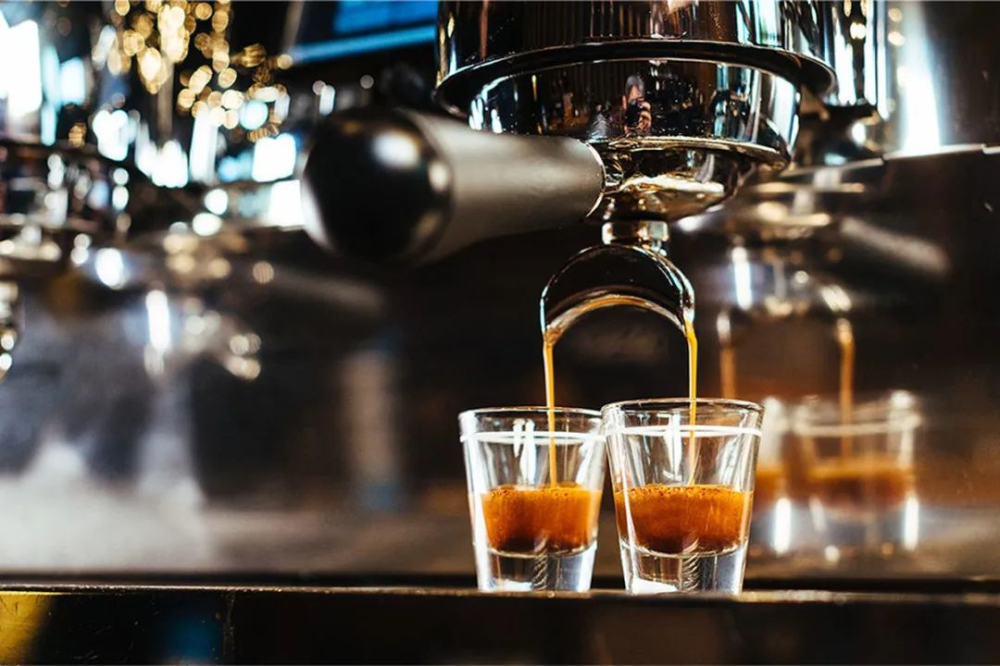
Let’s first get to know the “three brothers” of espresso: Espresso, Ristretto, and Lungo. Espresso is considered the soul base of all espresso-based drinks. Its standard extraction parameters typically involve 20 grams of coffee grounds, extracted over 25 to 30 seconds to yield 40 grams of coffee liquid, with a coffee-to-water ratio of roughly 1:1.5 to 1:2.5.Ristretto is the essence extracted from the first half of the shot, using the same 20 grams of coffee but yielding only about 28 grams of liquid. The ratio is controlled between 1:1 and 1:1.5, with an extraction time of around 20 seconds. It has a more concentrated and intense flavor, with a relatively shorter aftertaste, and is often used as the base for Flat White.Lungo, on the other hand, takes the opposite approachby extending the extraction time and increasing the water volume. The ratio can reach 1:4 to 1:5, extracting about 100 grams of liquid from 20 grams of coffee, taking nearly a minute. Though the volume is greater, the taste is often thinner and prone to over-extraction bitterness.
Additionally, there’s a variant called Doppio. When you order a Double Espresso, you get two standard shots; but if you order a Doppio, the barista uses double the amount of coffee grounds to produce just one shot. As a result, it has less liquid but higher concentration and a bolder, more intense flavor.
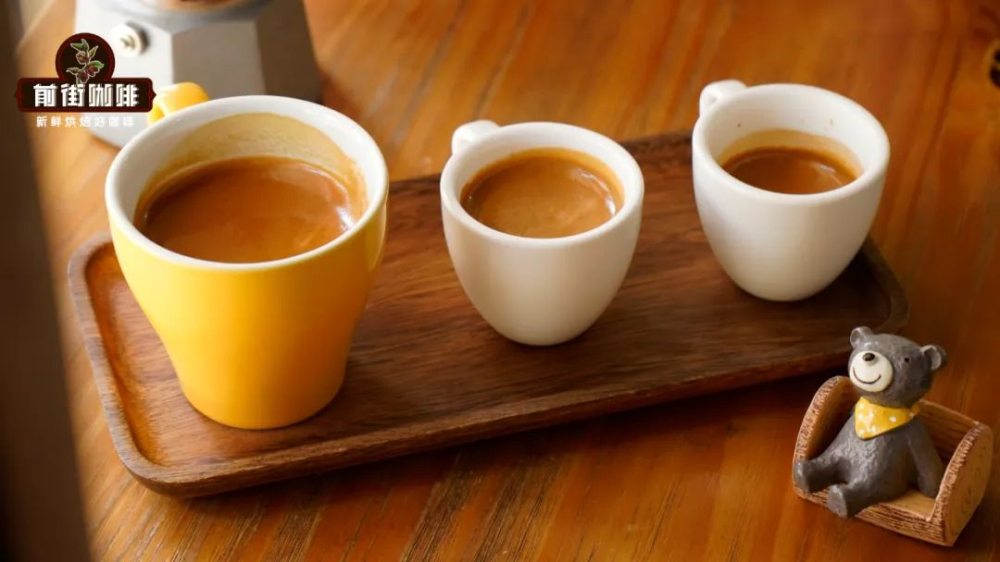
In the black coffee family, Americano is arguably the most representative choice. It’s made by combining a single or double shot of Espresso with hot water. Due to its simplicity and broad appeal, it has long ranked among the top-selling espresso drinks worldwide. Americano typically uses a coffee-to-water ratio of 1:5 to 1:8, which can be adjusted to personal taste preferences. Meanwhile, the Australian-style Long Black is made by adding hot water to Espresso, butthe Espresso-to-water ratio is usually around 1:3, giving it a stronger overall flavor compared to Americano. It is generally recommended to enjoy it only as a hot drink and not as an iced beverage.
Moving into the milk coffee category, the most well-known is undoubtedly the Latte. Although in Italy, "Latte" simply means milk, outside Italy, it’s commonly understood as a combination of coffee and milk. Its standard ratio is about 1:5 to 1:8 of Espresso to milk, with a relatively thin layer of foam, resulting in a smooth texture and prominent milky flavor. Before Lattes became popular, Cappuccino was the milk coffee most commonly consumed by Italians. Its classic ratio is 1:1:1 for coffee, steamed milk, and foam, with thick foam that often spills over the rim. It allows you to enjoy both a velvety texture and the rich essence of coffee.
Another often misunderstood coffee is the Macchiato. It’s made by gently placing a spoonful of finely textured hot milk foam on top of a shot of Espresso. The name “Macchiato” comes from the Italian word meaning “stained” or “spotted.” With minimal milk added, its flavor remains closer to Espresso but is slightly softened, making it an excellent choice that bridges the gap between pure Espresso and Cappuccino.
Among Australian-style milk coffees, the Flat White can be seen as a “concentrated version” of a Latte. It uses a similar ratio of Espresso to milk, butwith thinner foam and slightly less milk, typically served in a small cup around 300ml. It emphasizes the nuanced integration of coffee’s core flavor with the delicate milk texture, and is also only recommended as a hot drink. The Piccolo Latte, on the other hand, is a smaller version of a Latte, using a single shot of Espresso and a small amount of milk. The serving size is only about 3 ounces (approximately 90ml), making it perfect for those who want to taste the coffee bean flavors without too much milk interference — also exclusively a hot drink.
As for the increasingly popular Dirty, it’s actually not a traditional espresso drink but an innovative variation of iced Latte. It involves pouring freshly extracted Espresso directly over ice-cold milk in a glass, creating a natural layered effect through temperature contrast. The result is a bold, intense flavor with striking visuals, ideal for those who love strong coffee taste paired with a cool, refreshing mouthfeel.
Espresso-based specialty drinks are created to soften the bitter and roasted notes of Espresso by adding various ingredients. For example, the classic Mocha adds chocolate syrup or cocoa powder to a Latte, introducing sweetness and a layer of chocolate flavor. Another Italian classic, Caffè Marocchino, is made by adding a shot of Espresso to a small cup, dusting it with cocoa powder, then pouring in milk foam or light cream, and finishing with another dusting of cocoa. The small cup size and double cocoa layers create an even more intense and aromatic experience.
Other Espresso-based specialties include: Affogato, which is a shot of Espresso poured over vanilla ice cream, offering a delightful combination of coffee and dessert; Con Panna, which tops Espresso with a dollop of fresh whipped cream, keeping it simple yet rich in flavor; and Caffè Corretto, where a small amount of liquor such as Grappa or Sambuca is added to Espresso, imparting the aroma and warmth of alcohol.
Finally, let’s introduce the distinctive European-style Iced Shaken Coffee (Caffe Shakerato). It’s made by combining Espresso and syrup in a shaker with ice, shaking vigorously until well-mixed, then straining out the ice and serving it in a martini glass. This coffee retains the richness of Espresso while adding a touch of sweetness and delicate foam. It has a refreshing taste and a visual resemblance to dark beer, making it a great option for summer or for coffee lovers wanting to explore different flavor profiles.
The above content is compiled by CoffeeHunters, a coffee news website.


