







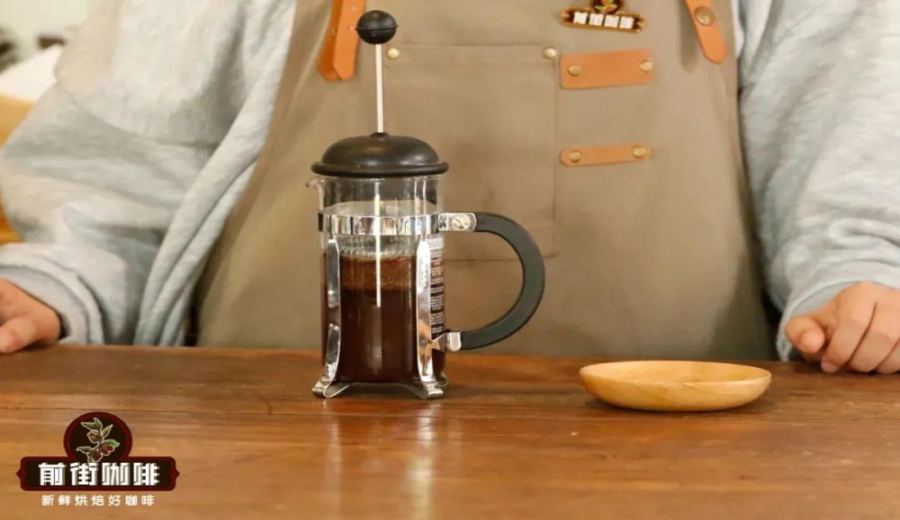
Introduction:The French press is the go-to brewing tool for many coffee beginners, known for its simplicity and low risk of mistakes. However, to brew a cup of coffee with balanced layers and bright flavors, it's still essential to master key parameters such as the appropriate type of coffee beans, grind size, water temperature, and steeping time. This article will delve into the working principles and practical techniques of the French press, helping you avoid common operational errors, along with tips on filter cleaning and equipment maintenance to ensure consistently excellent results every brew.
The French press (French Press) is hailed as one of the most user-friendly coffee brewing tools. It doesn’t require complex pouring techniques or advanced technical skills, making it the first step for many coffee novices entering the world of pour over. However, although it may seem simple to operate, there are many details that directly affect the final coffee taste, including the type of coffee beans chosen, the grind size, water temperature control, and coffee-to-water ratio—these are all key factors in determining whether a cup of coffee is rich and smooth.
The principle of the French press is actually quite similar to brewing tea. It involves fully steeping coarsely ground coffee powder with hot water, then using a metal filter to extract the coffee liquid all at once. This static extraction method can fully release the sweetness and body of the coffee, especially highlighting the characteristics of medium to dark roasted beans, such as notes of dark chocolate, nuts, and caramel, making it a favorite among those who enjoy a bold flavor profile.
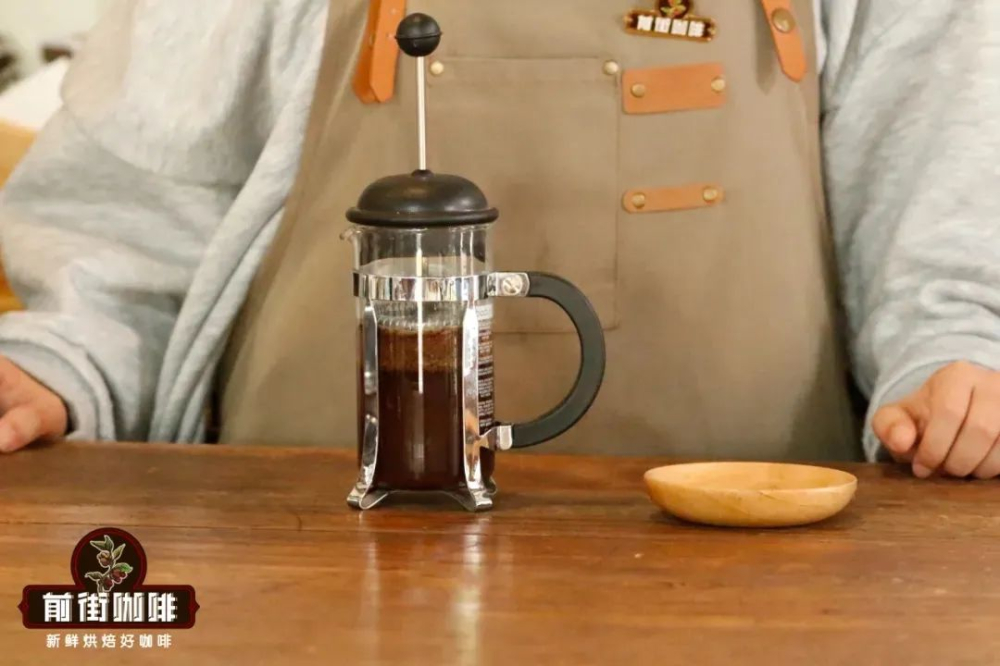
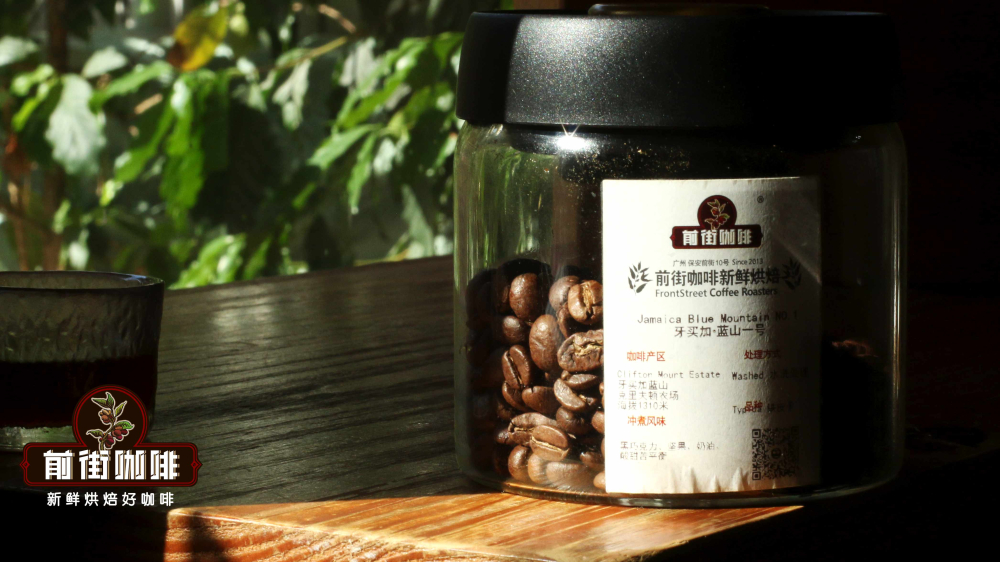
However, if you choose a light-roasted coffee bean with pronounced acidity and aromatic profiles—such as those with distinct citrus, floral, or tropical fruit flavors—the French press may often cause the acidity to become dull due to over-steeping, and the layered flavors may be hard to express. Therefore, if your coffee beans are light or medium-light roast, it is recommended to prioritize using pour over or other filtration-style equipment. But if you prefer a balanced and full-bodied taste, medium to dark roasted beans—such as the classic Indonesian Mandheling, Central and South American blends, or Blue Mountain-flavored series—are excellent choices for the French press.
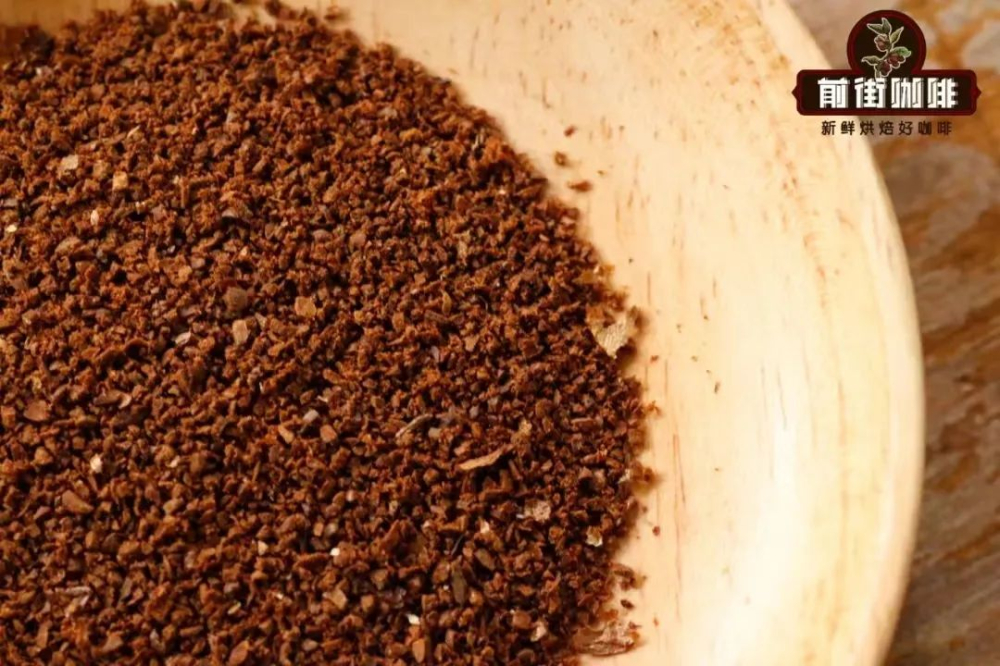
When it comes to grind size, coarseness is the golden rule for the French press. Generally, it’s recommended to use a grind similar to coarse sugar granules. Specifically, you can refer to the Chinese No. 20 standard sieve, aiming for about a 70% passing rate. Such a coarse grind not only helps avoid over-extraction but also effectively reduces the presence of ultra-fine particles in the coffee liquid, which can cause a murky mouthfeel. It’s worth mentioning that the metal filter of the French press has a pore size of approximately 80 to 300 microns, which isn’t particularly fine, so overly fine coffee grounds can easily pass through the filter, affecting overall flavor expression and clarity. Of course, if you wish to bring out more delicate flavors, you can try a slightly finer grind, but be sure to shorten the steeping time accordingly to reduce the risk of over-extraction.
Steeping time is a highly flexible yet crucial variable in French press brewing. With other parameters fixed, the longer the steeping time, the richer the coffee flavor, but it also tends to release more bitter substances, including woody notes and astringency. For medium to light roasted beans, it’s recommended to keep the steeping time around 4 minutes. This duration allows a balance between sweetness and acidity without over-extracting. For medium to dark roasted beans, since they release flavors more quickly, it’s advised to reduce the time to 3 minutes and 30 seconds, effectively avoiding the negative tastes brought by over-extraction.
Additionally, because the French press typically completes the entire extraction process with a single pour, the water temperature gradually decreases over time. Therefore, it’s recommended to start with a water temperature slightly higher than the usual pour over guideline. For medium to light roasted beans with bright acidity, a water temperature of 92–94°C is suggested, as it helps to highlight sweet and acidic layers. For medium to dark roasted beans, an 89–90°C water temperature is recommended to reduce the risk of extracting excessive bitterness. Especially in colder seasons, preheating the French press with hot water can help maintain thermal stability throughout the extraction process.
The coffee-to-water ratio is also a key factor influencing the strength of the coffee. It’s generally recommended to use a 1:16 ratio—for example, if you use 15 grams of coffee powder, pour in about 240 milliliters of hot water. This brewing ratio results in a coffee concentration of around 1.1% to 1.2%, offering a refreshing yet full-bodied taste suitable for most palates. Of course, if you prefer a stronger flavor, you can adjust to a 1:15 ratio and fine-tune according to personal taste.
Finally, although the French press is considered a “lazy person’s secret weapon,” post-use cleaning and maintenance should never be neglected. The metal filter can accumulate coffee oils and residue over long-term use. Once these substances oxidize, they can not only affect the coffee’s flavor but may also produce off-odors. Therefore, after each use, the metal filter and plunger should be immediately disassembled and thoroughly cleaned with a mild detergent. Ensure all parts are completely dry before reassembling and storing to maintain the French press in optimal condition and extend its lifespan.
The above content is compiled by CoffeeHunters, a coffee news website.


