








Introduction:Latte coffee is not just a simple combination of coffee and milk, but an art that blends cultural background, extraction techniques, and ingredient pairing. This article begins with the origins of Italian-style latte, analyzes the naming origins and flavor evolution, and delves into how to brew a professional-grade latte by selecting suitable coffee beans, mastering the resting period, adjusting the ratio of espresso to milk, and controlling the milk foam temperature. Whether you're a beginner or an advanced coffee enthusiast, you’ll find practical operational tips and inspiration here.
In Italian, "latte" actually means milk. Therefore, if you order a "latte" at an Italian café, the server might simply bring you a cup of plain milk. The familiar latte coffee we know today is actually a specialty coffee that combines Italian espresso and steamed milk, widely loved for its rich texture and diverse flavors.
The inspiration for this beverage can be traced back to 17th-century Vienna, the city of music. It’s said that when the Turkish army withdrew, they left behind a large quantity of coffee beans, which led to the establishment of the city’s first coffeehouse. To cater to European tastes, the shop filtered out the coffee grounds and added a generous amount of milk, transforming the originally bitter black coffee into a smooth and sweet milk coffee, which gradually evolved into the prototype of today’s latte.

Although the core components of a latte are merely espresso and milk, the final flavor is greatly influenced by the quality of the coffee beans and the freshness of the milk.The roast level, origin characteristics, and processing methodof the coffee beans determine the foundational flavor profile of the entire drink. Therefore, selecting the right espresso beans is the first step toward success.
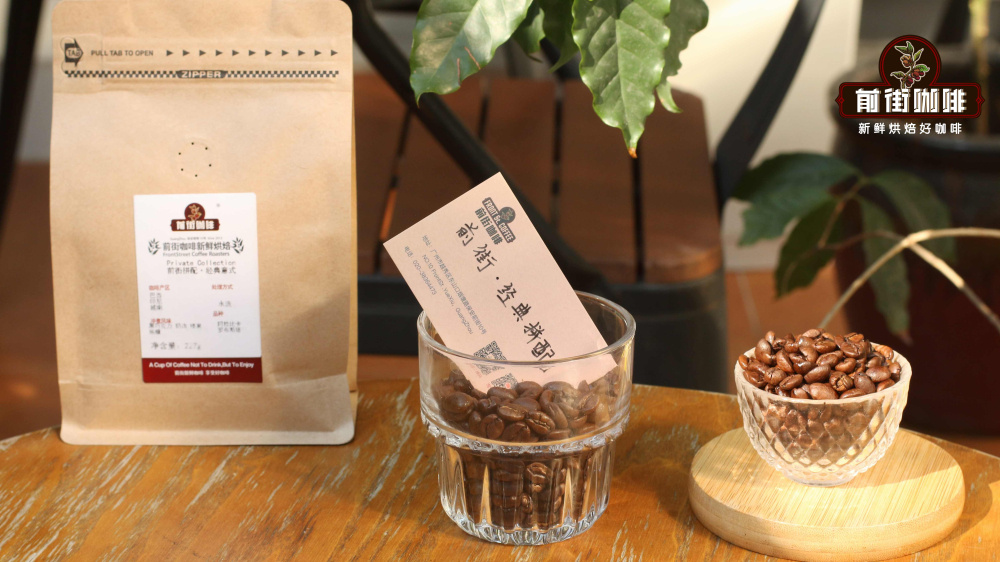
For beginners new to espresso, it’s recommended to try a classic three-in-one blend. This blend combines beans from Indonesia, Brazil, and Vietnam, using a medium-dark roast to bring out pronounced caramel and cocoa aromas with a rich crema. When used for Americano, it offers a strong chocolatey tone with a slightly bitter aftertaste; for lattes, it presents a mellow and balanced mouthfeel, closely resembling the traditional style of Italian coffee.This blend is suitable for beginners to build a basic understanding of espresso.

If you prefer making coffee at home with a moka pot, the Black Cocoa blend is an economical and stable choice. This blend mainly consists of Yunnan small-seed variety and Brazilian Red Bourbon beans, with flavors centered around nuts, chocolate, and plums. It delivers a mild and consistent performance, suitable for everyday family use. It maintains a certain level of extraction quality and flavor stability while keeping costs down.
For advanced coffee enthusiasts who are already familiar with basic operations, the Strawberry Sugar espresso blend offers more layered challenges and enjoyment. This blend includes naturally sweet Costa Rican honey-processed beans, paired with Colombian Huila and Ethiopian Yirgacheffe, creating a complex flavor profile with both fruitiness and floral notes. The resulting crema is moderate, with delicate aromas of rose, grape, and dried blueberries, ideal for users seeking depth and individuality in flavor.
After selecting the right coffee beans,the resting period is a crucial step that cannot be overlooked. Many users report a noticeable difference in flavor when brewing freshly purchased coffee beans at home compared to what they taste in cafes—this is usually because the beans are too fresh and haven’t yet reached their optimal flavor release state. It’s generally recommended to let espresso beans rest for10 to 14 days, allowing their flavors to fully develop, at which point the extraction performance is usually at its best. The overall optimal drinking window is about50 days, and it’s advised to finish them within this period.
When making a latte, there’s no absolute standard for the ratio of espresso to milk, but common ranges fall between1:5 and 1:8 . A frequently used ratio is1:6, which means using40 grams of espresso liquid with 240 grams of milk. When making a hot latte, it’s recommended to preheat the cup first, then pour in the espresso, followed by steaming the milk with the espresso machine’s steam wand to a temperature between55 and 65°C, creating a fine and moderately thick foam, then blending it evenly with the coffee liquid, and finally topping it off with latte art for added visual appeal.
Latte art not only enhances the visual appeal of a latte but is also often the gateway for many people to discover the charm of latte coffee. Many coffee novices are initially drawn to the intricate latte art designs, which then lead them to appreciate the unique appeal of lattes, eventually becoming coffee enthusiasts. An excellent hot latte often carries sweet notes of vanilla and chocolate, with a silky-smooth mouthfeel; for iced lattes, it’s recommended to first add an appropriate amount of ice and a small amount of fresh milk to the cup, then slowly pour the espresso over it. Remember to stir well before drinking to achieve the best flavor balance.Adding an appropriate amount of ice can deliver a more refreshing taste experience.
The above content is compiled by CoffeeHunters, a coffee news website.


