







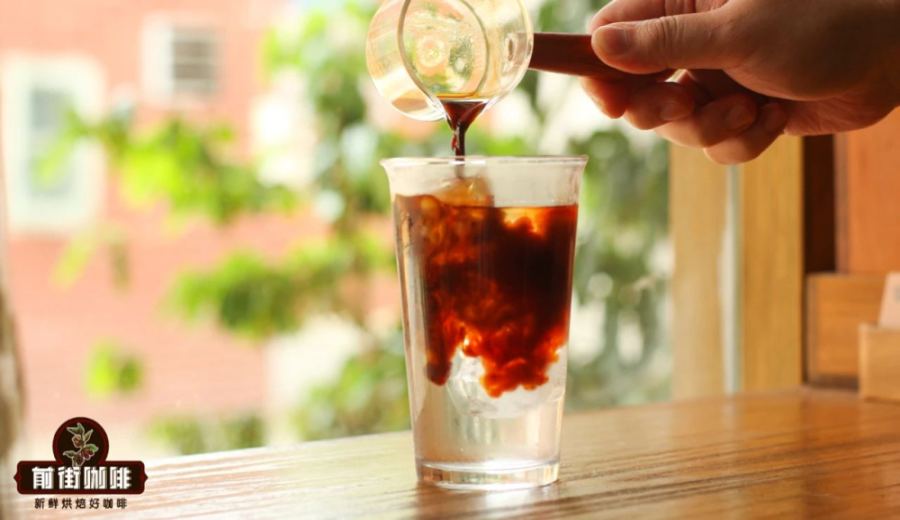
Introduction:On a hot summer day, an iced coffee not only cools you down but also perks you up. But did you know that the four common types of iced coffee — iced pour over, iced americano, cold brew, and ice drip — differ greatly in brewing methods and flavor profiles? This article will take you on an in-depth exploration of their extraction principles, key parameter settings, and the distinct flavor differences, guiding you from beginner to advanced level to find the type of iced coffee that best suits your taste.
When temperatures rise, a refreshingly cold cup of iced coffee can bring a burst of energy and clarity. However, iced coffee comes in more than one form. Iced pour over, iced americano, cold brew, and ice drip — these four mainstream iced coffee types not only vary in brewing methods but also deliver distinctly different flavor experiences. Understanding their differences can not only help you choose your favorite more precisely but also allow you to recreate professional-level flavors at home.
Iced Pour Over Coffee: Low-Temperature Slow Extraction with Clear, Layered Flavors
Iced pour over has gained significant popularity in recent years, especially among specialty coffee enthusiasts. Unlike hot pour over, iced pour over uses lower water temperature and a lower coffee-to-water ratio, and ice is added after extraction to cool the coffee, thereby preserving more delicate flavors. During preparation, about15 grams of coffee beansare used with a1:10 coffee-to-water ratioto pour150 grams of hot water, with the water temperature controlled at around90°C[temperature not specified], and the grind size slightly finer, with a standard sieve passing rate of about85%[value not specified]. The entire process is divided into two pouring phases: the first phase involves pouring30 grams of water for bloomingto help release CO₂ from the coffee grounds and avoid affecting subsequent extraction. Then, water is poured up to atotal of 150 grams, using a gentle circular pouring method, with an extraction time of approximately1 minute and 30 seconds. After extraction, the coffee liquid is poured into a container with100 grams of ice cubesand shaken evenly. The ice helps cool the coffee and moderately dilute it, resulting in a more balanced overall flavor. Accompanying visuals ( ) can provide a more intuitive understanding of the steps.
Iced Americano: Quick Extraction, Bold and Refreshing
Iced americano is one of the most common types of iced coffee, made by combining espresso with iced water. It’s simple to prepare and delivers a distinctive flavor. During preparation, an espresso machine is used to extract a rich shot of espresso, typically using about20 grams of coffee groundsto produce40 grams of espressoin around26 seconds, with parameters adjusted slightly based on the bean condition. It’s recommended to use a commercial blend with good crema and roasty notes to support the blend with iced water. The extracted espresso is then mixed with300 grams of iced water, at an approximate ice-to-espresso ratio of7.5:1[ratio not specified]. This method retains the bold foundation of the coffee while using iced water to dilute and lower both the overall temperature and intensity, making it suitable for those who prefer a refreshing taste. Accompanying visuals (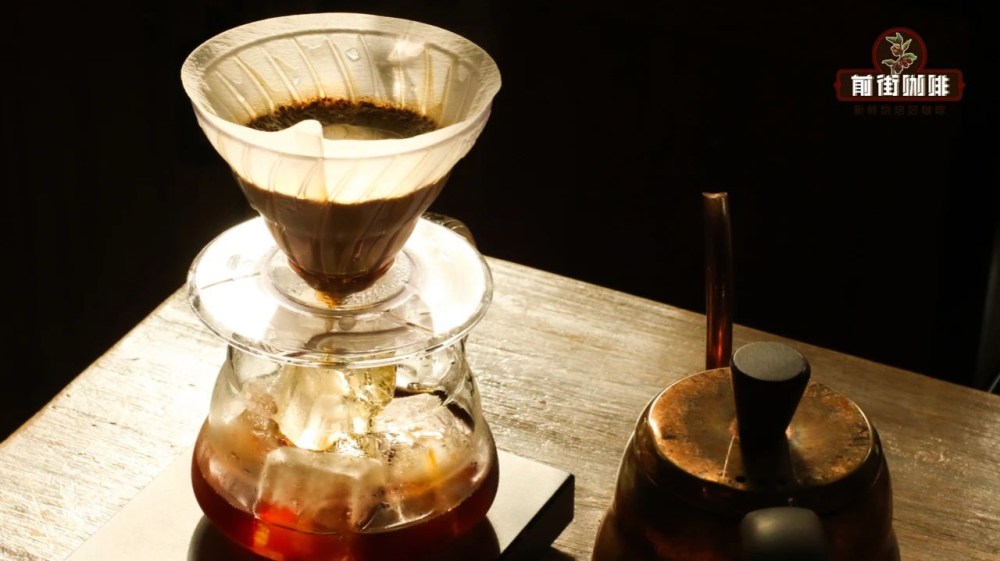 ) can help understand the operation process.
Cold Brew Coffee: Long Low-Temperature Steeping, Smooth and Full-Bodied Flavor
Cold brew coffee uses a long-duration, low-temperature extraction method, resulting in a relatively mild flavor with low acidity and noticeable sweetness, making it ideal for those who dislike overly intense or sharp tastes. Although not always available at cafes, it is a popular choice for many coffee lovers to make at home. Generally, it’s recommended to use50 grams of coffee groundswith500 grams of iced water, maintaining a coffee-to-water ratio of1:10[ratio not specified], but with a coarser grind size, and a standard sieve passing rate of about75%[value not specified], to reduce the risk of over-extraction. The coffee grounds and iced water are thoroughly mixed and then placed in a sealed container (recommended to have a capacity of at least600 milliliters or more), and left to steep in the refrigerator for24 hours. This low-temperature, extended “steeping” extraction gently extracts the sweet and full-bodied characteristics of the coffee while avoiding the bitterness and aroma loss that can come with high temperatures. A visual guide can be found at ( ).
Ice Drip Coffee: Slow Drip Filtration, Complex Layers with Lingering Finish
Ice drip coffee is renowned for its unique drip filtration method and complex layered flavors, making it a favorite among coffee aficionados seeking ultimate flavor experiences. Making ice drip requires specialized equipment. Common ice drip brewers consist of an upper chamber (for holding ice water), a valve to control drip speed, a coffee grounds chamber, and a lower chamber that collects the brewed coffee. Taking the Tiamo HG2713 model as an example, its design also includes a spiral siphon tube to help stabilize temperature and flow rate. For brewing, it’s recommended to use60 grams of coffee beans, such as a flavorful Geisha blend, using a1:10 coffee-to-liquid ratioto produce about600 milliliters of ice drip coffee. The grind size is slightly finer than pour over, with a standard sieve passing rate of about85%[value not specified], paired with a1:1 ice-to-water ratio, and the drip speed is controlled via the valve at7 drops per 10 seconds, with the entire process lasting approximately6 to 8 hours. After extraction, it’s advised to refrigerate the coffee liquid and let it rest for12 hoursbefore drinking, allowing the flavors to stabilize further. Since the ice drip process is time-consuming, preparation is usually required in advance (equipment structure and operational details can be explored with image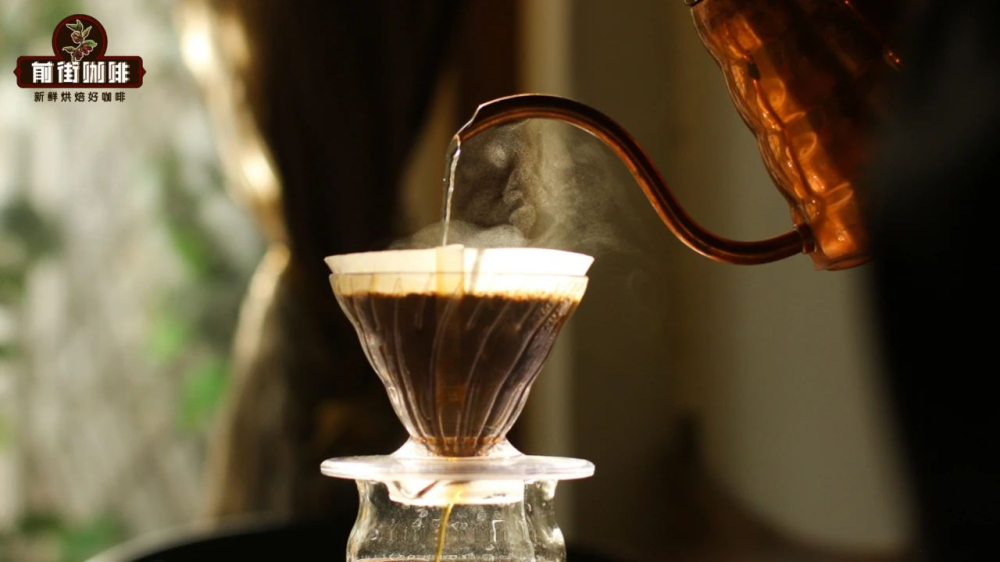 ).
Comparison of Flavor and Suitable Scenarios for the Four Iced Coffees
Overall, iced pour over offers clear and layered flavors, ideal for those who enjoy nuanced taste experiences; iced americano is bold and refreshing, perfect for a quick pick-me-up; cold brew delivers smooth texture and prominent sweetness, suitable for extended sipping; and ice drip, with its complex layers and unique aromas, is best savored slowly. Regardless of the type, mastering key parameters such as coffee-to-water ratio, grind size, water temperature, and time can significantly enhance your coffee experience. Accompanying visuals (such as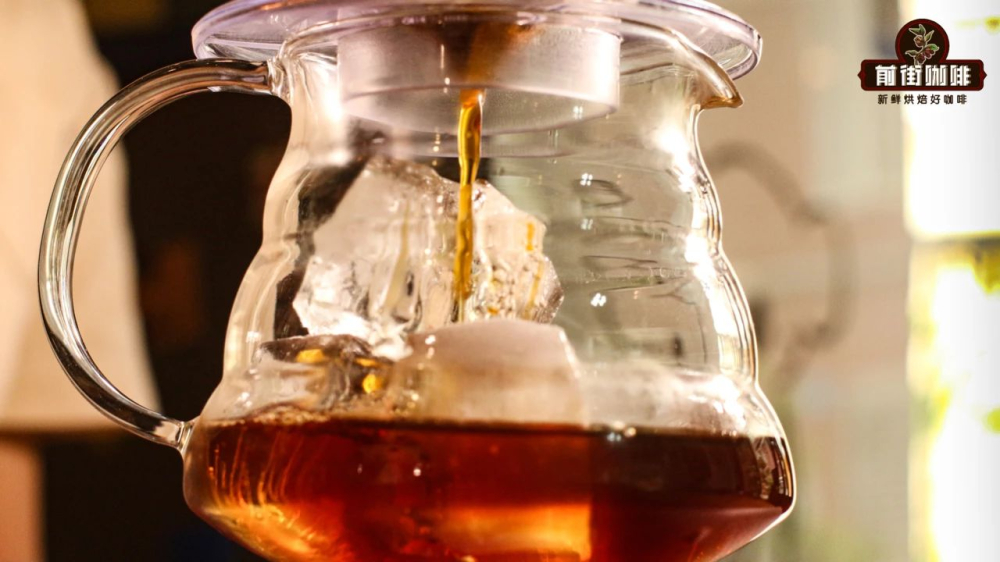 ) can further aid in understanding the essence of each brewing method.
The above content is compiled by CoffeeHunters, a coffee news website.


