








Introduction:Understanding how green coffee beans are packaged and stored is a crucial factor that affects their final flavor. From common jute sacks to professional vacuum packaging, and even freezing storage techniques—each method comes with its own advantages, disadvantages, and best-use scenarios. This article provides an in-depth analysis of how different packaging materials impact the freshness of green beans, explains the ideal storage environment parameters, and introduces the concept of “seasonal coffee beans” along with selection tips to help you make more precise choices.
The flavor of a cup of coffee depends not only on roasting and brewing techniques but, more critically, on the quality of green bean preservation after harvest. From origin to consumer, green beans undergo a long journey of transportation and storage, and it is the packaging methods and environmental controls during this process that often directly determine whether the beans can maintain their optimal condition.
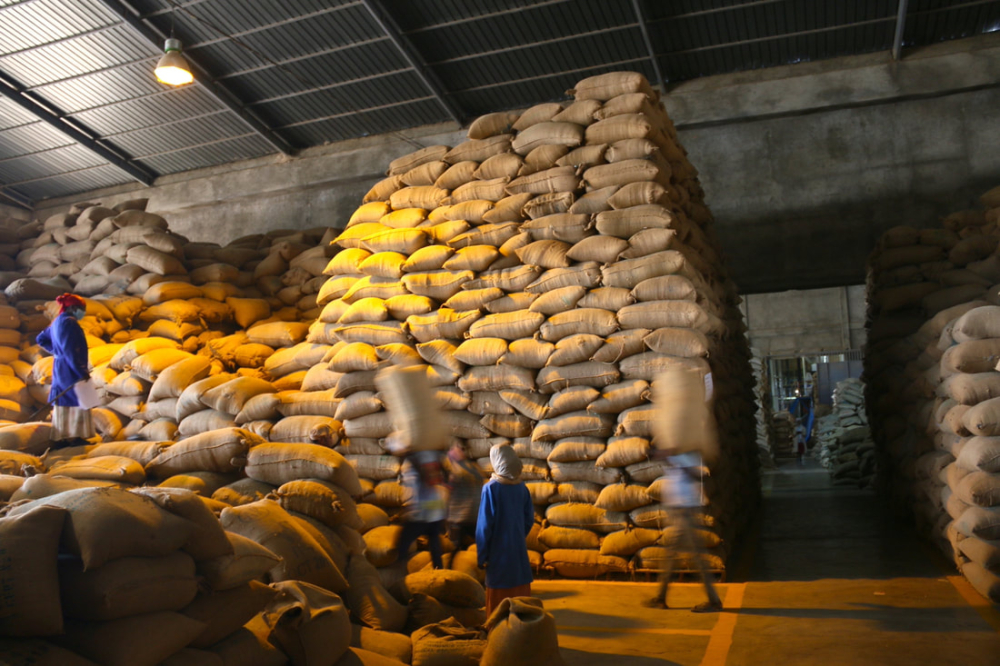
Among the many influencing factors, packaging material plays a pivotal role. In the past, jute sacks were the most common choice—low-cost and easy to handle, made from jute fibers and requiring no special equipment for filling or transport. However,jute sacks cannot effectively block moisture, oxygen, or foreign odors,which means green beans are prone to absorbing moisture and deteriorating during long-distance transport, or even picking up ambient odors that can negatively affect subsequent roasting performance.
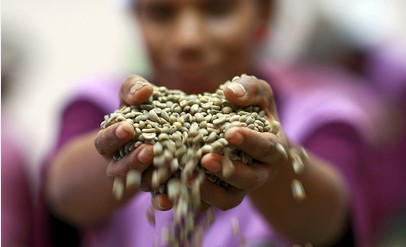
To overcome these issues, in recent years more and more roasters have begun adopting advanced packaging solutions. Among them, vacuum packaging is considered one of the most effective preservation methods currently available. This type of packaging completely isolates oxygen, moisture, and external odors, significantly slowing down the oxidation and aging processes of green beans, thereby preserving more flavor compounds. However, before using vacuum packaging, special attention must be paid to the moisture content of the beans,and it is recommended to keep the water activity within a safe range to avoid mold growth in sealed environments.Additionally, this method is relatively costly—at about $0.15 to $0.25 per pound (equivalent to €0.45 to €0.75 per kilogram)—and requires specialized equipment and techniques, which may also cause delays in the shipping process.
If you’re looking for a balance between cost and effectiveness, grain-pro bags offer a practical alternative. These packaging materials typically provide better sealing than jute sacks—though not as extreme as vacuum packaging—and can effectively block some moisture and odors, extending shelf life to roughly twice that of jute sacks. At about $0.05 to $0.10 per pound (approximately €0.15 to €0.30 per kilogram), they are a highly cost-effective option for roasters with budget constraints who still prioritize quality. As with other bag types, it's also important to check the moisture status of the green beans before using grain-pro bags to prevent quality degradation during long-term storage.
For an even higher level of preservation, freezing technology is an option that locks in the original flavors of green beans. This method usually involves sealing the beans in vacuum bags and storing them in an environment below 0°C (about 32°F), which effectively inhibits microbial activity and oxidation. According to empirical data, this approach can even maintain the flavor of five-year-old beans at levels comparable to freshly harvested beans just one month old. However, this method is expensive and requires professional refrigeration equipment and a stable power supply, so market acceptance remains niche—mainly used for the long-term preservation of high-end or limited-edition beans. Nonetheless, in hot and humid regions, frozen storage is undoubtedly an effective strategy for maintaining green bean quality.
Regardless of the packaging method chosen, the stability of the storage environment is equally vital. Warehouses should avoid extreme temperature fluctuations and high humidity; it’s recommended to store green beans off the ground in well-ventilated areas, away from heat sources such as roasters or heaters, to prevent quality loss due to temperature changes or moisture absorption. Good storage management can effectively extend the optimal flavor window of green beans and ensure that their full potential is realized during roasting.
Beyond packaging and storage, the concept of “seasonal” coffee beans has gained increasing attention in recent years. Seasonal beans refer to green beans that enter the market shortly after their optimal harvest season, showcasing the most vivid origin characteristics and seasonal flavors. However, there is no unified standard for what constitutes “seasonal”—some industry players believe it must be beans harvested within the current year, while others consider any beans that taste fresh and free from staleness to be seasonal.
Professional green coffee buyer Ryan Brown offers a concise definition: “We focus on seasonality because we care about coffee quality. As long as that cup of coffee tastes vibrant, with bright acidity and no signs of being stale, it’s seasonal.” This perspective emphasizes the core of the tasting experience—freshness and vibrant flavor expression are the key indicators for determining seasonality.
The above content is compiled by CoffeeHunters, a coffee news website.


