







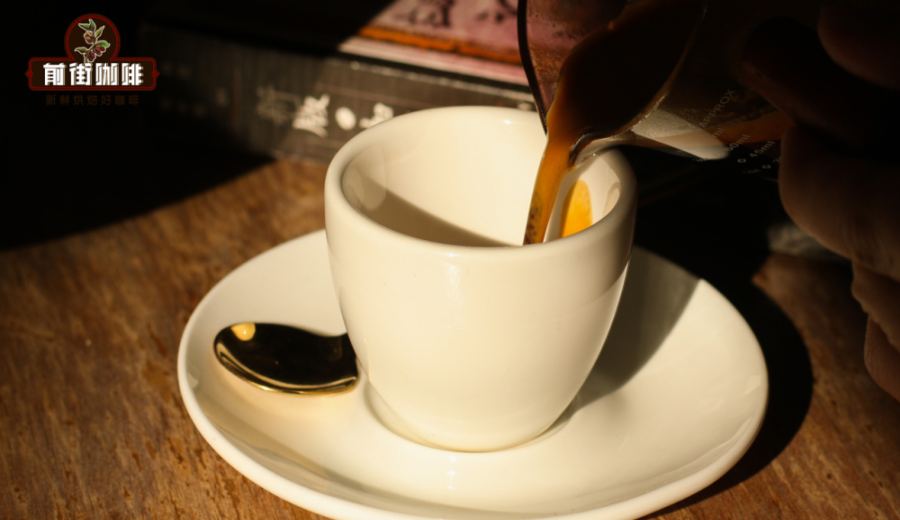
Introduction:Mastering espresso lies in understanding the interplay between brew ratio and extraction variables. This article delves into the science behind the standard 1:2 ratio, guiding you through adjustments to grind size, flow rate, and shot weight, while sharing practical flavor-tuning techniques used by professional baristas. By the end, you’ll learn how to flexibly adapt based on coffee bean characteristics to extract a perfect shot with rich crema and layered complexity.
In the world of espresso, brew ratio is one of the most direct parameters influencing flavor expression. The industry-standard ratio is 1:2—meaning 9 grams of coffee grounds yield 18 grams of espresso for a single shot, or 18 grams for 36 grams in a double. However, in practice, baristas make targeted adjustments based on flavor profiles during extraction rather than rigidly adhering to fixed numbers.
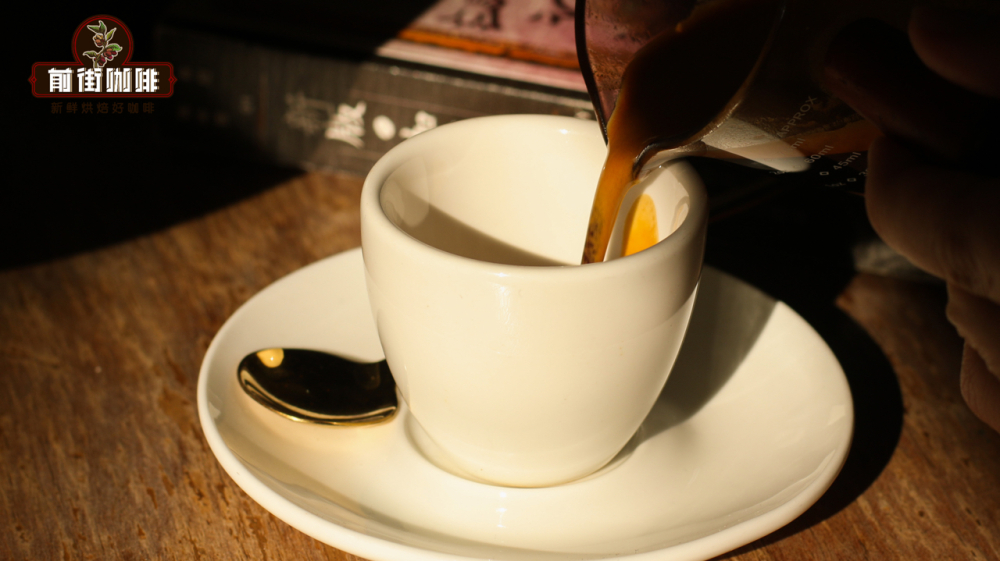
Technically speaking, espresso is produced by forcing hot water through finely ground coffee under high pressure in semi-automatic or automatic machines, completing extraction in a short time. This method creates its signature thick crema, intense aroma, and bold body. Notably, espresso’s flavor intensity far exceeds that of other brewing methods. Though consumed in small quantities, it serves as the foundational base for various coffee drinks—whether Americano, latte, or flat white, they’re all essentially espresso diluted with water or milk.
To properly appreciate espresso, there’s a recommended process. Many cafés don’t list espresso as a standalone menu item, yet it remains an enticing hidden option for those craving intense flavors. For instance, some cafés may only display four espresso-based drinks, yet customers often order this “mini coffee.” When served, start by sipping the accompanying ice water to cleanse your palate, then observe the crema’s texture and aroma. Gently stir with the provided spoon to distribute flavors evenly. Sip small amounts to let the coffee linger, noting its layered changes, and pair with water to catch lingering notes.
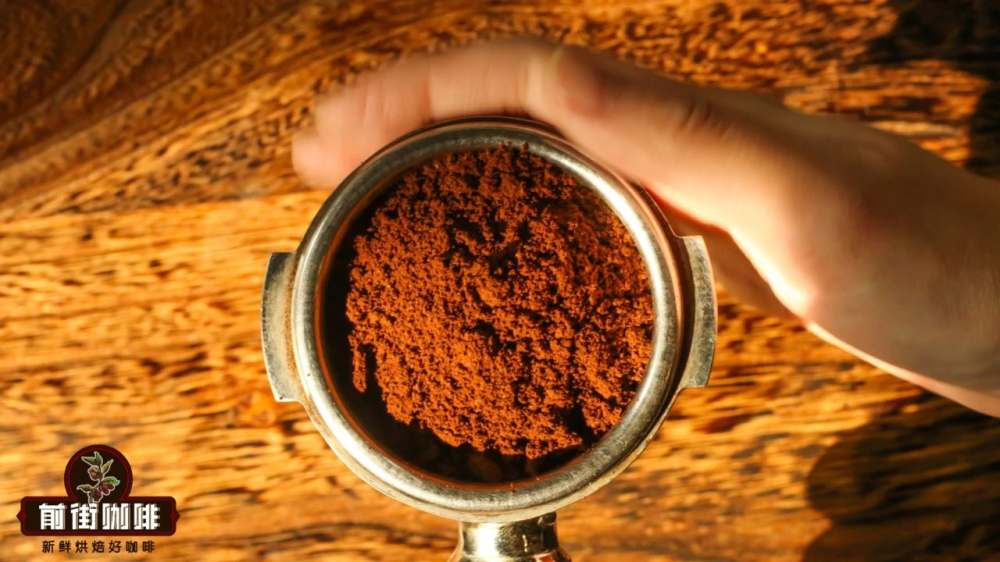
Exploring the logic behind extraction adjustments requires a multi-dimensional approach. The brew ratio typically ranges from 1:1.5 to 1:2.5, with the standard 1:2 meaning 20 grams of coffee grounds aim for 40 grams of espresso. If the flavor feels too thin, increase the liquid weight; if it turns overly bitter or astringent, reduce the yield. This adjustment must be paired with observations of grind size and flow rate—when extraction is too fast, grind finer; if too slow, grind coarser.
Fine-tuning grind size is crucial for espresso quality. Espresso requires much finer grounds than pour over or other methods, so adjustments should be subtle. For example, with a 20g double-shot basket, if extraction is too quick resulting in underdeveloped flavors, grind finer to prolong contact time. Conversely, if channeling or over-extraction occurs, grind coarser. Repeated testing is key to finding the optimal balance.
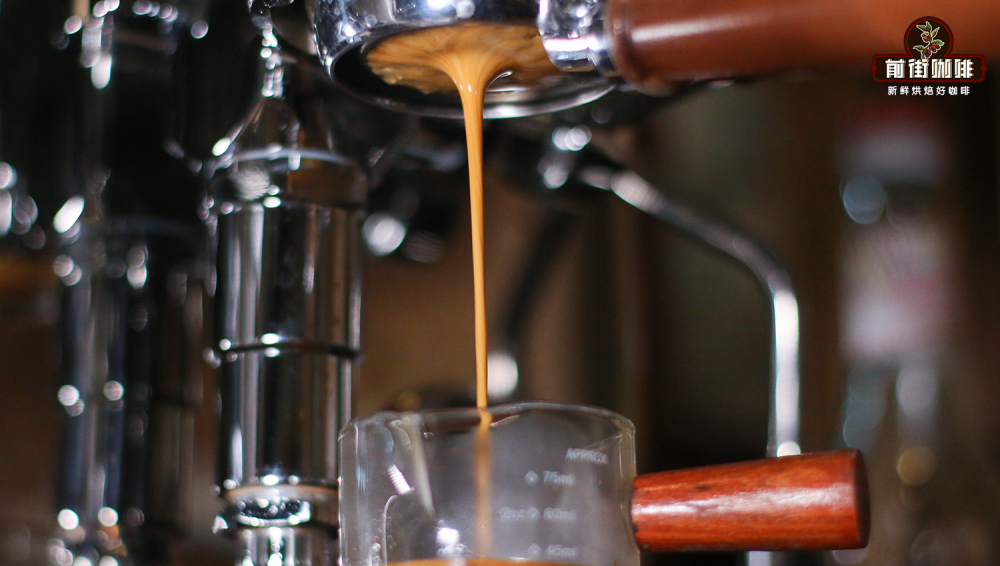
Professional baristas often start with a benchmark parameter set: 20g coffee grounds, extracted at 9 bar pressure to yield 40g espresso in about 30 seconds. This isn’t absolute but should flex based on bean freshness, roast level, and ambient humidity. A critical reminder for beginners: extraction variables are interconnected—changing one can disrupt the entire balance. Adjust only one variable at a time and record its effects.
The above content is compiled by CoffeeHunters, a coffee news website.


