








Introduction:Want to explore the unique flavors of coffee from around the world? This article takes an in-depth look at the world’s top ten renowned coffee-growing regions — from Brazil’s cocoa-nutty notes to Kenya’s bright acidity — providing a detailed analysis of the flavor profiles and recommended brewing methods for each origin’s representative beans. Whether you’re a pour over beginner or a coffee enthusiast seeking high-value daily options, you’ll find a bean that suits your taste, along with practical tips on selection and brewing.
Choosing high-quality coffee beans is the foundation for brewing a great cup, and understanding the terroir of different origins can help you find beans that meet your flavor expectations. This article will take you on a tour of the world’s ten most recognized specialty coffee regions — including Brazil, Costa Rica, Colombia, Ethiopia, Indonesia, Honduras, Yunnan (China), Panama, Kenya, and Rwanda — analyzing the unique flavor characteristics of representative beans from each area, paired with actual brewing suggestions, so you can enjoy the diverse charm of coffee whether you're pouring over or sipping daily.
1. Brazil: Cerrado Red Bourbon
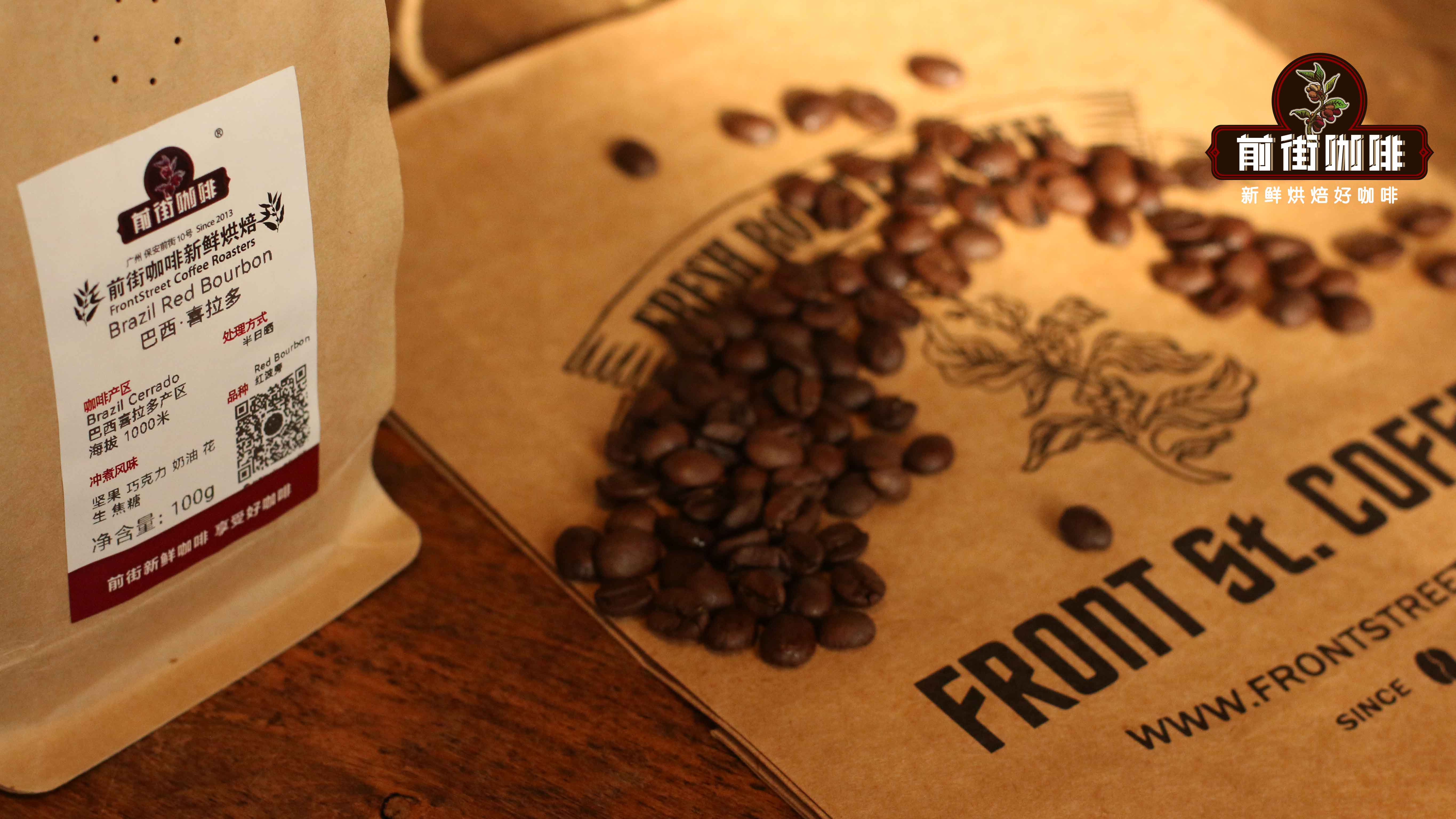
As the world’s largest coffee producer, Brazil’s beans are known for their bold and full-bodied profile, with subdued acidity but rich notes of cocoa and nuts. This flavor profile makes it especially suitable as a base for espresso blends, providing a balance of sweetness and body. Recommended is the Cerrado Red Bourbon, which features distinct aromas of chocolate, cream, cookies, and peanuts,with a medium-dark roast advised,making it ideal for those who enjoy a milk-forward flavor.
 >
2. Costa Rica: Tarrazú
Costa Rica’s volcanic terrain and fertile soil contribute to the exceptional quality of its coffee. The coffee here is mostly Arabica, with a balanced sweet-and-acidic profile, fresh aroma, and suitability for both single-origin enjoyment and blending. Coffee from the Tarrazú region often presents layered flavors of sweet orange, citrus, nuts, and maple syrup,and a medium-light roast is recommendedto highlight its bright acidity and fruity-floral notes.
3. Colombia: Huila
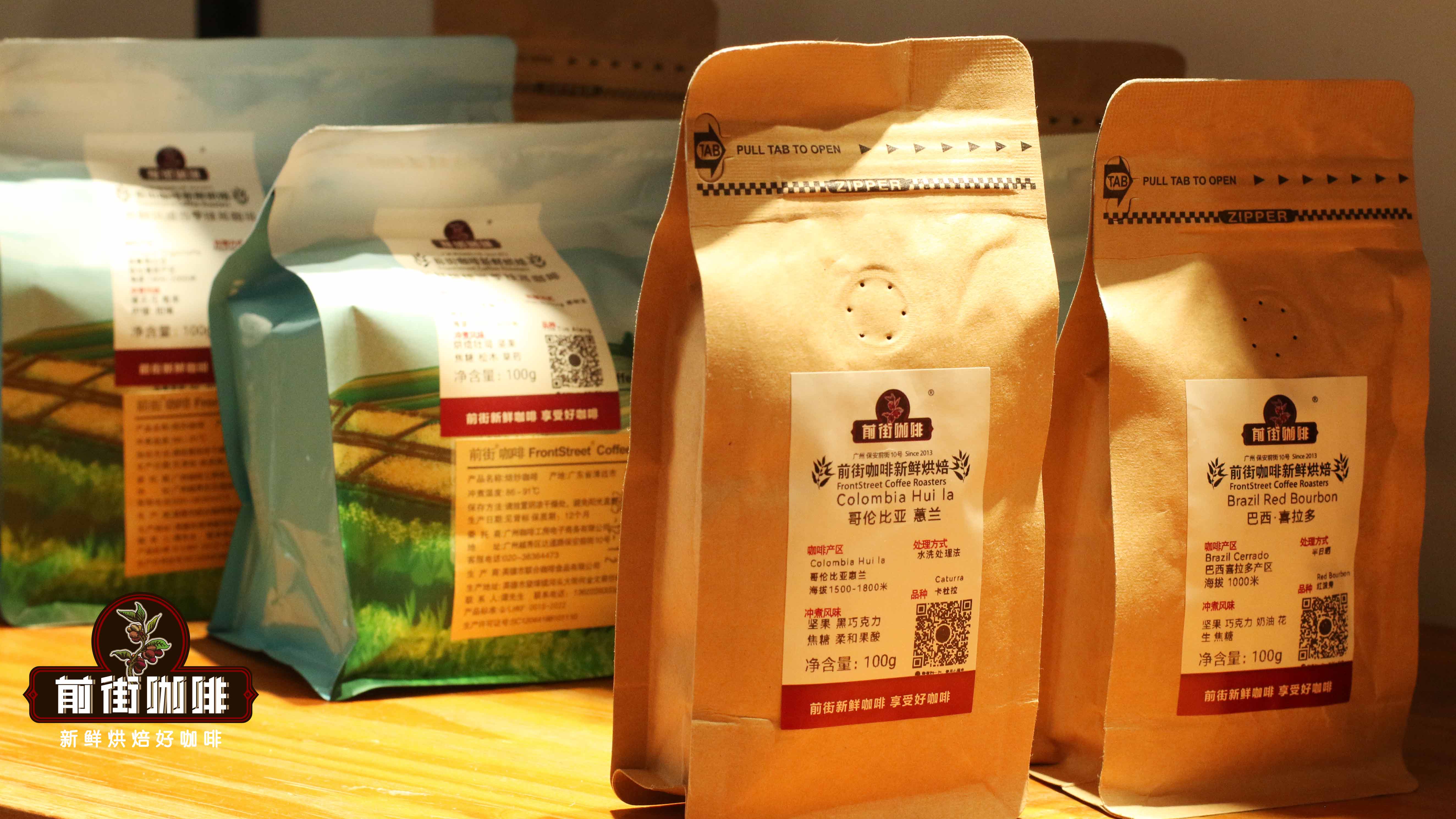
Colombian coffee is famed for its rich aroma and full-bodied taste, and is one of the most well-known coffee-producing regions globally. Beans from the Huila region often showcase complex flavors of dark chocolate, cream, almond biscuit, and caramel, with soft acidity and a rich yet balanced overall profile, suitable formedium-dark to medium roaststo bring out its abundant sweetness and full texture.
4. Ethiopia: Yirgacheffe
As the birthplace of coffee, Ethiopia boasts extremely rich genetic diversity among its coffee plants. Coffee from the Yirgacheffe region is known for its pronounced tea-like body, refreshing citrus and lemon aromas, and a light, floral-toned flavor — making it a popular starting point for many pour over enthusiasts.A light-to-medium roast is recommendedto fully present its layers of white floral, citrus, lemon, honey, and green tea notes.
5. Indonesia: Lintong Mandheling
Indonesian coffee is known for its distinctive herbal and spicy characteristics, mainly grown in regions such as Sumatra and Java. Mandheling coffee typically carries earthy tones and intense herbal aromas, along with lingering notes of nuts, dark chocolate, and caramel. It is recommended to usea medium-dark roastto bring out its deep, mellow flavor and aromatic complexity.
6. Honduras: Washed Catuai
Honduras coffee has gradually gained market attention due to its stable growing environment and good processing techniques. Washed Catuai varieties exhibit aromas of nuts and cocoa, along with a hint of malty sweetness. Amedium roast is preferredto balance the flavors and enhance sweetness, making it a great choice for those who prefer a consistent taste.
7. China: Yunnan Peaberry
Yunnan is China’s main coffee-growing region, centered around areas like Lincang and Pu’er. The so-called “peaberry coffee” originates from the early cultivation of the Typica variety, with smaller beans but clear flavor profiles. Local coffees often show notes of nuts, brown sugar, chocolate, and a subtle tea-like character,and a medium-light roast is recommendedto highlight its soft acidity and sweet-toned profile.
 >
8. Panama: Emerald Estate Diamond Mountain Series
Panama’s Emerald Estate has long been renowned for producing high-quality Geisha, while the Diamond Mountain series offers excellent flavors at a more accessible price. The beans in this series are grown between altitudes of 1,400 and 1,700 meters, with flavors focused on citrus, nuts, and black tea tones, suitable for drinkers who prefer a clean and bright taste,with either light or medium roasts being suitable— fine grind pour over is recommended to bring out the layers.
9. Kenya: Little Tomato
Kenyan coffee is famous for its highly distinctive bright acidity and unique double fermentation process. Its flavors often feature fruit notes such as little tomato, black plum, and pear, accompanied by hints of dark plum and caramel in the finish. These beansare suited to a light roastto fully showcase their vibrant acidity and clear layers, making them an excellent choice for pour over lovers.
10. Rwanda: Red Bourbon
Rwandan coffee is known for its rigorous washed processing procedures and very high standards in green bean selection. The Red Bourbon variety often has refreshing aromas of apple and green tea, with a mouthfeel where berry and plum acidity intermingle, followed by delicate floral and green tea notes. Amedium-light roast is recommendedto preserve its delicate acidity and aromatic expression.
 ><
The above content is compiled by CoffeeHunters, a coffee news website.


