








Introduction:Want to brew an espresso at home that delivers a pronounced sweetness and a smooth, velvety mouthfeel? This article delves into the science behind sweetness in coffee, exploring factors such as roast level and origin characteristics to help you master the art of selecting high-sweetness blends and single-origin beans. It also provides a detailed walkthrough of the standard espresso brewing process—including key parameters like dose, extraction ratio, and time control—to help you consistently recreate a professional-grade sweet espresso experience.
Many people mistakenly assume that espresso is synonymous with bitterness. However, by choosing the right coffee beans and mastering proper extraction techniques, you can enjoy an espresso rich in sweet and delightful flavors. Sweetness not only enhances the complexity of the overall flavor profile but also contributes to a rounder, smoother mouthfeel.
When selecting coffee beans suitable for espresso, the roast level plays a crucial role. During the roasting process, sweetness is generally the first flavor attribute to develop, followed by acidity. Typically,the medium to dark roast range(roughly medium to medium-dark roast) represents the peak for sweetness expression. Over-roasting, on the other hand, tends to diminish sweetness, leading instead to charred bitterness. Therefore, it’s recommended to choosemedium-roastedbeans, which preserve ample sweetness while retaining the coffee's rich body.
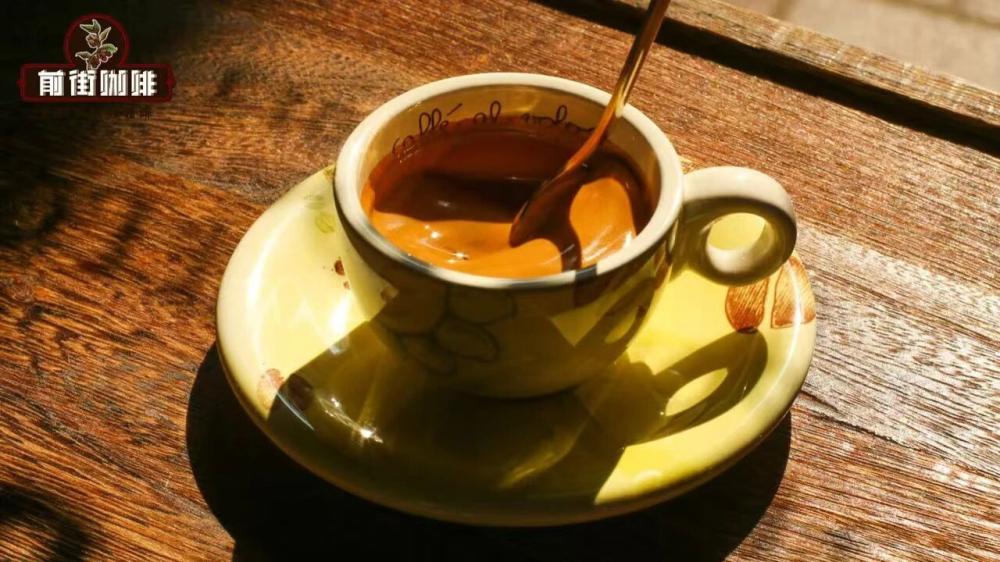
In terms of origin, coffee beans from different regions also exhibit distinct flavor profiles. African beans often feature bright acidity and floral-fruity notes; Asian beans such as Indonesia’s Mandheling are known for their low acidity, bold spice tones, and herbal aromas; island beans like Jamaican Blue Mountain are celebrated for their balanced and full-bodied character; whileCentral and South American beansnaturally exhibit caramel, nutty, and chocolatey tones, often delivering more pronounced sweetness—making them particularly well-suited for espresso preparation.
For readers looking to purchase coffee beans themselves, it’s advisable to choose reputable brands known for freshness and quality to ensure optimal flavor. When buying, pay attention to the roast date of the beans, asfreshly roasted beans (ideally within 5 days)will showcase the fullest expression of sweetness and aroma.
Below are five carefully selected high-sweetness espresso blends and single-origin (SOE) beans, ideal for espresso brewing and worth adding to your collection:
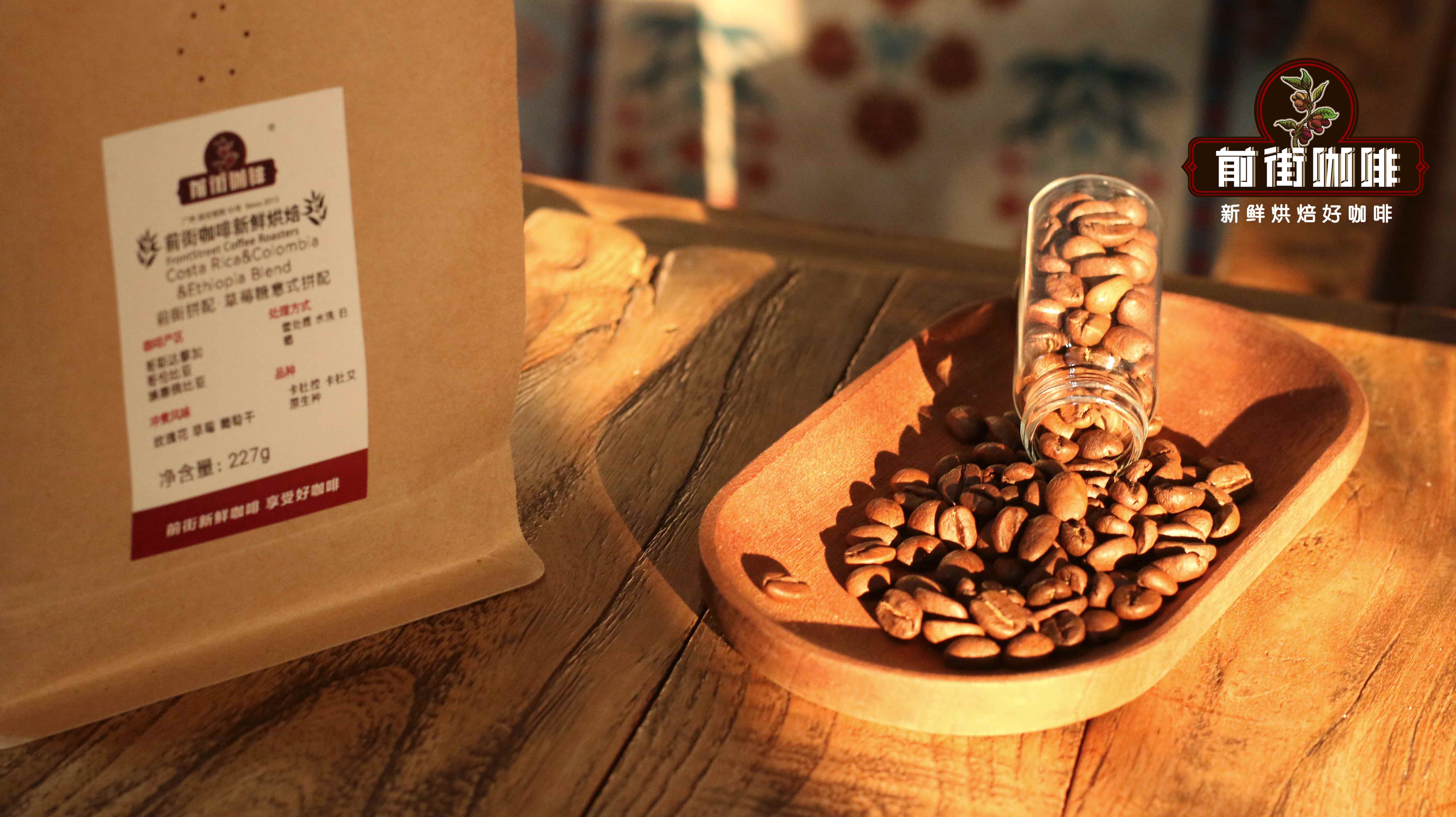
[High-Sweetness Espresso Bean Recommendation ①] Strawberry Candy Espresso Blend: Combines the sweetness of Costa Rica honey-processed beans, the citrusy floral notes of Ethiopia, and the nutty-chocolate tones of Colombia, yielding aromas of rose, strawberry taffy, and dried blueberries. With a balanced acidity and sweetness, and a lingering almond finish, this blend produces a velvety crema—perfect for those who enjoy a harmonious blend of fruitiness and sweetness.
[High-Sweetness Espresso Bean Recommendation ②] Costa Rica Blackberry SOE: Delivers flavors of longan, grape, and honey, complemented by delicate floral notes. It has a rich, smooth mouthfeel and a strong aftertaste, making it ideal for those who prefer less acidity and a fuller-bodied cup. Also performs exceptionally well as an Americano.

[High-Sweetness Espresso Bean Recommendation ③] Colombia Sidra SOE: Boasts intense aromas of passionfruit, grape, and apricot paired with citrusy tones. The aftertaste reveals sweet notes of chocolate and mild spices, offering a layered complexity reminiscent of fruit wine, with a refreshing finish especially notable in iced Americanos. Great for fruit-forward coffee lovers who dislike bitterness.
[High-Sweetness Espresso Bean Recommendation ④] Brazil Queen Estate SOE: A medium roast that highlights aromas of toasted bread, peanut, butter, and cookie. As an Americano, it presents a sugarcane-like sweetness, while as a latte, it showcases the rich texture of chocolate milk—perfect for milk coffee enthusiasts.
[High-Sweetness Espresso Bean Recommendation ⑤] Brazil Cerrado Red Bourbon SOE: Centered around chocolate and nutty aromas, this bean features low acidity and a stable flavor profile. Ideal for those who dislike acidity and prefer nutty notes paired with milk coffee. Also serves as an excellent base for coffee-based desserts.
Next, we’ll explain how to use these high-sweetness beans to brew a professional-grade espresso. Taking a strawberry candy-flavored espresso blend as an example, it’s recommended to use a double basket with a coffee dose set at18–20 grams. This guide uses20 gramsas the standard, with an extraction ratio yielding1:2, resulting in40 gramsof espresso. The extraction time should be controlled within20–35 seconds, with the ideal range being28–30 seconds. Too short may lead to under-extraction, while too long can result in over-extraction and unwanted bitterness.
Before extraction, make sure to dry the portafilter basket. Grind the appropriate amount of coffee beans using a grinder, and measure precisely to 20 grams with a digital scale. Then use a distribution tool to evenly spread the grounds, followed by tamping with a tamper—applying even, vertical pressure to ensure a compact and level puck, which is essential for stable extraction.
Prior to starting extraction, turn on the machine to run water for 1–2 seconds to wet the group head and flush out any old coffee residue. Place your espresso cup on the scale, tare it, then position it under the group head. Gently lock the portafilter into the group head, slowly start the extraction, and observe the flow rate and color changes of the espresso. When the scale reads 40 grams and the time reaches around 30 seconds, press the switch to stop extraction.
Please note that extraction parameters can vary depending on humidity, bean freshness, and grind size. It’s recommended to fine-tune the dose, grind setting, and extraction time as needed for each session to achieve the best flavor. The finished espresso can be enjoyed as is—pairing it with a glass of water can help cleanse your palate and better appreciate its rich crema and full-bodied taste. If the flavor feels too intense, you can adjust concentration or sweetness balance to your liking by adding hot water or milk.
The above content is compiled by CoffeeHunters, a coffee news website.


