







Introduction:Espresso is the foundation of Italian-style coffee and the soul of popular beverages such as lattes and cappuccinos. This article delves into the origin of the definition of Espresso, its status in Italian food culture, and guides you through the complete process from grinding, tamping, to extraction. It provides practical reference parameters, such as using 20 grams of coffee grounds to extract 40 grams of coffee liquid, with a recommended time of 25 to 30 seconds, and analyzes its unique flavor characteristics, as well as how to taste it correctly, helping you appreciate this rich classic more professionally.
In the world of Italian coffee, Espresso is the core element. Whether it's a latte, cappuccino, or Americano, they are all made based on it. This highly concentrated coffee, extracted under high pressure, is not only rich and full-bodied but also boasts a complex layered profile. What exactly is Espresso? Why is it so popular in Italy? This article will provide a comprehensive analysis, covering its definition, historical background, extraction process, and flavor appreciation.
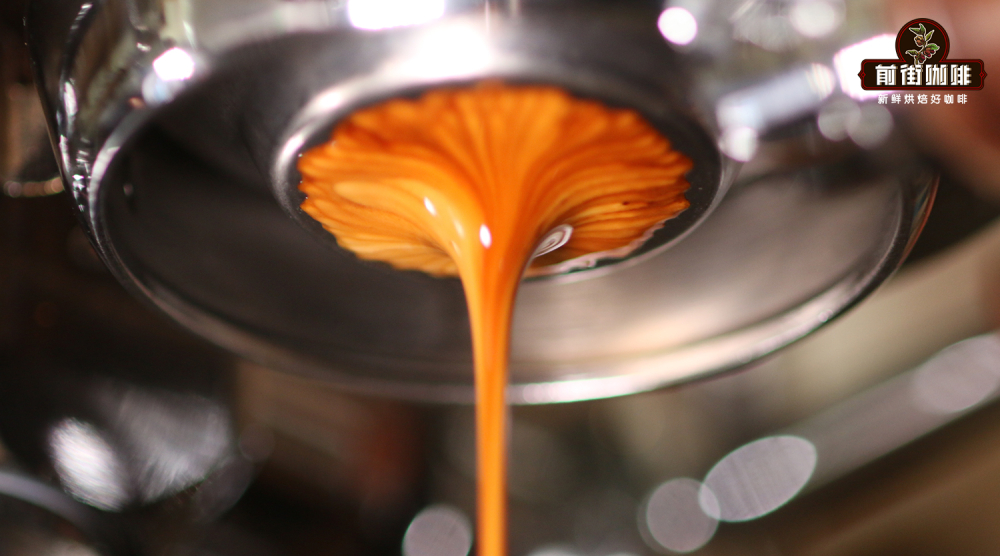
The word "Espresso" originates from Italian, meaning "fast," which perfectly reflects its hallmark feature of extremely short extraction time—usually just 25 to 30 seconds to complete a shot. This extraction method uses high-pressure steam to force finely ground coffee to release rich crema and aroma in a short time. Compared to regular drip coffee, Espresso not only concentrates the flavor but also the very essence of the coffee.
In Italy, drinking Espresso is a daily ritual. Many locals are accustomed to quickly ordering an Espresso at the bar while going about their busy lives, sipping it in one go before leaving, often in under two minutes. This drinking culture has also shaped Espresso’s intense, strong, yet concise character.
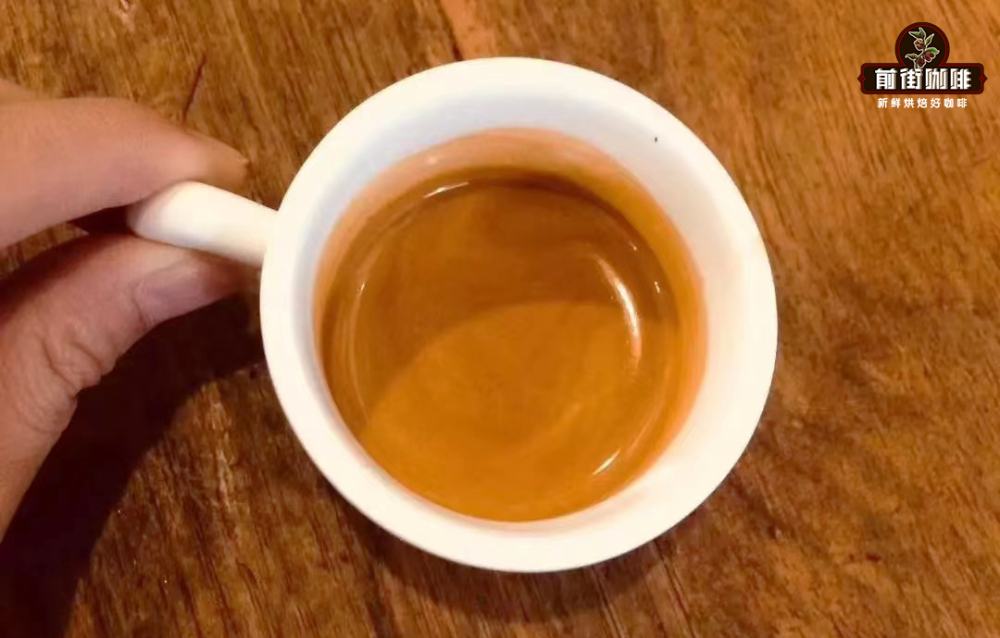
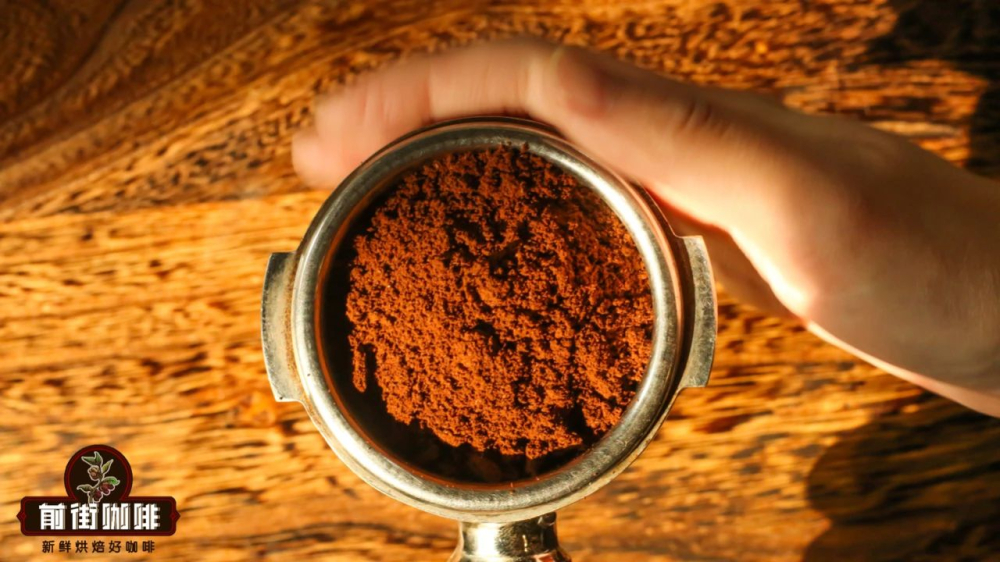
Making a high-quality Espresso requires precise control over every step—from the grind size of the coffee beans, dose amount, distribution evenness, to the tamp pressure—all of which affect the final extraction outcome. First, place the finely ground coffee into the portafilter, then use your fingers or a distribution tool to level it evenly. This step is called "distribution" and aims to ensure uniform density of the coffee bed to avoid channeling, which can lead to uneven extraction.
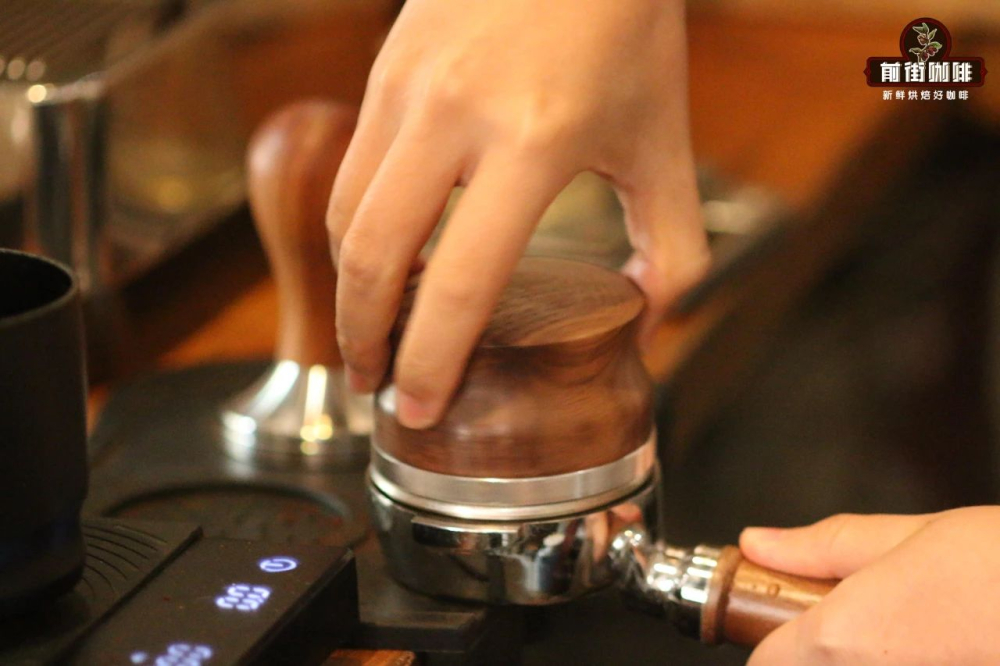
Tamping is also key. The right amount of pressure ensures the coffee is compacted evenly, allowing it to release stable flavors and crema under high-pressure extraction. The provided reference parameters are: using 20 grams of coffee grounds, aiming to extract 40 grams of coffee liquid, with the overall extraction time recommended to be controlled within25 to 30 seconds. This ratio and timing achieve a balanced intensity and flavor complexity.
The flavor characteristics of Espresso are closely tied to the coffee beans used. Generally speaking, a good Espresso should present a rich mouthfeel and layered profile, with common flavors including caramel, chocolate, cream, and even wine-like or nutty notes. For example, the Sunflower Warmth Espresso blend, made with mixed beans, showcases Espresso flavors such as vanilla cream, sherry, caramel, and chocolate. These flavors become more condensed and pronounced under high-pressure extraction.
To explore the full potential of Espresso further, it’s recommended to try beans from different regions and with varying roast levels, observing how they perform in their concentrated form. Also, pay attention to the color and thickness of the crema, which is another indicator of successful extraction.
There is also a unique way to enjoy Espresso. It’s advised to take a sip of cold water before sipping the Espresso to cleanse your palate, helping you better perceive its complex flavors. Then take small sips, letting the coffee linger in your mouth for a moment to appreciate its rich texture and layering. Because Espresso has an intense and bold flavor, it’s best savored slowly rather than gulped down hastily.
In summary, Espresso is not just a type of coffee, but a microcosm of Italian coffee culture. From its definitional origins, precise extraction parameters, to the subtle changes in flavor, every aspect is rich with knowledge. Mastering these basics not only helps you make and enjoy Espresso more professionally, but also enables you to more deeply appreciate the charm of this classic brew.
The above content is compiled by CoffeeHunters, a coffee news website.


