







Introduction:The allure of espresso lies in its intense texture and rich layers, but replicating the café standard at home is no easy feat. This article delves into the core mechanics of semi-automatic espresso machines—from the extraction principles and key parameters such as dose, grind size, water temperature, and pressure, to step-by-step practical procedures—to help you master the secrets of consistently extracting ideal espresso. It also includes extended suggestions for making Americano and latte, assisting you in effortlessly becoming a home barista.
Espresso is beloved worldwide for its bold, rich flavor, yet many struggle to achieve the professional quality of café-made espresso at home. The key difference usually stems from insufficient mastery of equipment operation and extraction parameters. This article will detail the extraction principles of espresso and guide you through the operation process of a semi-automatic espresso machine—including critical factors affecting extraction quality such as dose, grind fineness, water temperature, and pressure—while also offering adjustment strategies for different taste preferences, enabling you to consistently produce satisfying espresso at home.
In the world of espresso, the technical threshold is relatively high, mainly because espresso machines have intricate structures and complex operating systems, which may require some time for beginners to adapt. Below, we provide a comprehensive practical guide to help you master the essential steps step by step—even newcomers can produce professional-grade espresso step by step.
Espresso can be considered one of the most representative types of coffee globally, distinguished by its intense flavor and thick texture. However, many coffee enthusiasts often face a common issue: no matter how they adjust their setup at home, they can’t replicate the café-style richness, sometimes even ending up with burnt or bitter notes. This is closely related to the extraction method and parameter settings.
To correctly extract an ideal espresso, first understand that it’s not merely brewing coffee by boiling coffee grounds with water, nor is it simply concentrating regular brewed coffee. True espresso must be produced using a specialized espresso machine under high-pressure conditions in a short time. Such machines heat water from the boiler and use steam-generated pressure to force water at approximately 94°C through an extremely fine grind of coffee grounds under a high pressure of 9 to 10 bars, forming a coffee liquid as smooth and thick as honey.
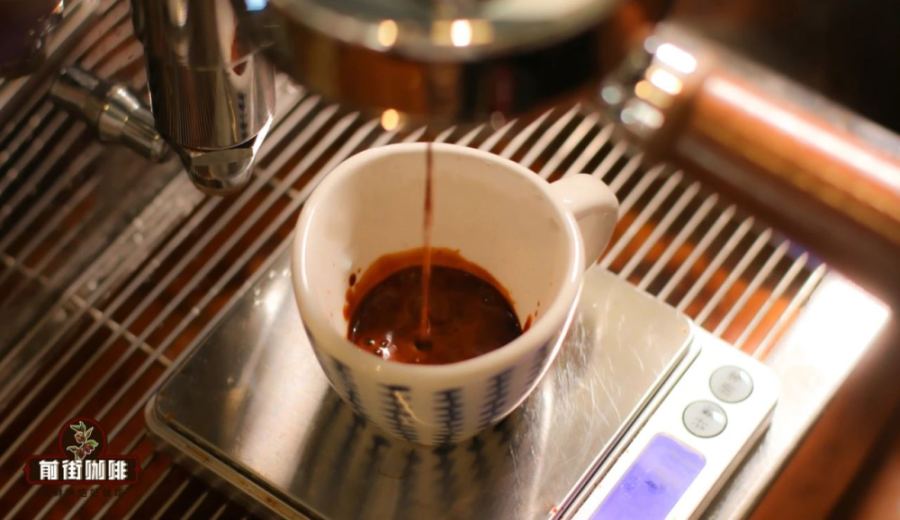
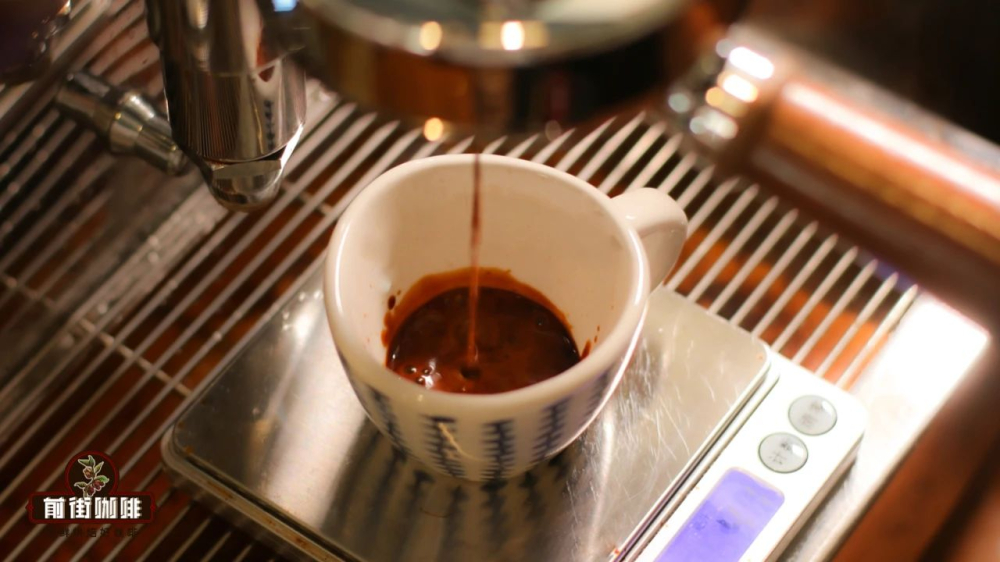
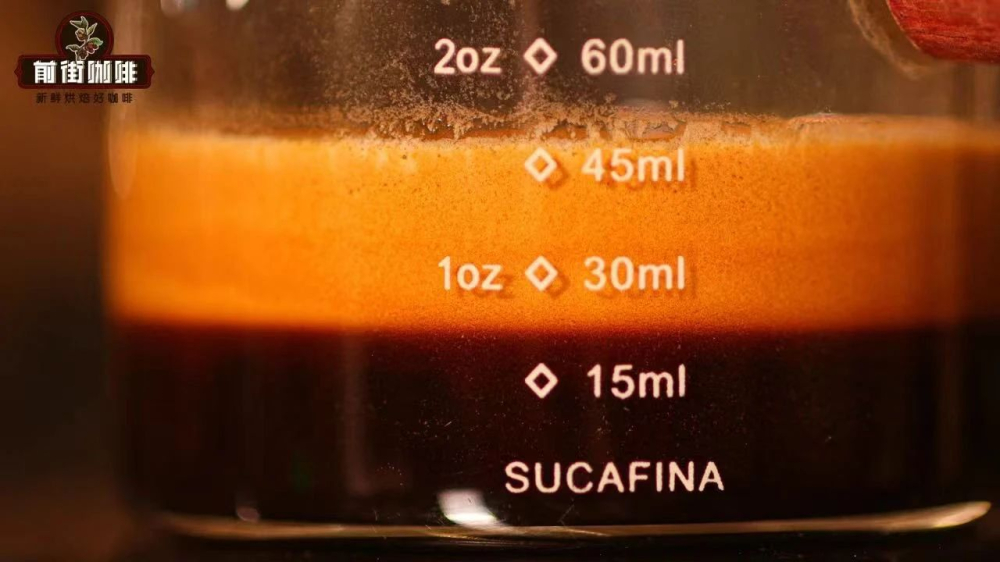
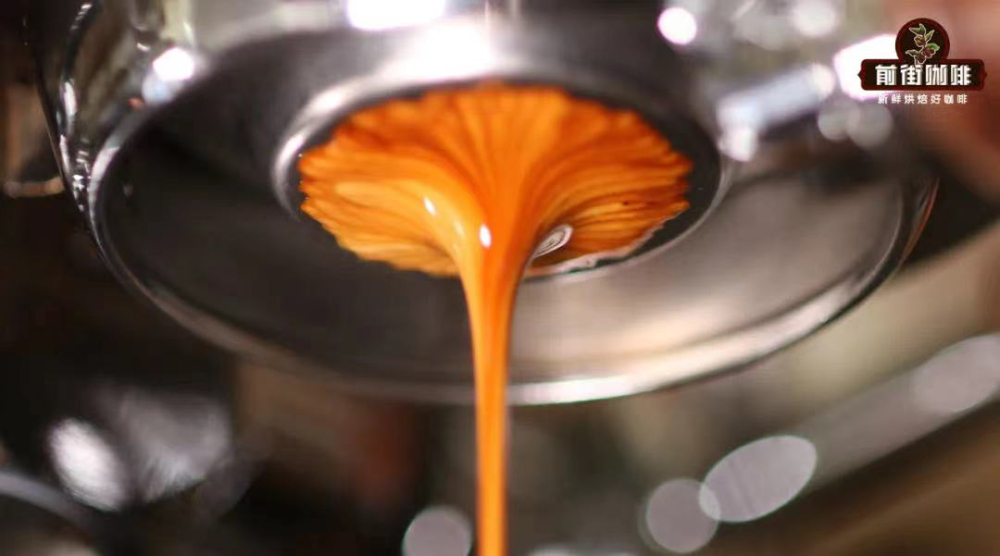
When you begin extraction, the initial coffee that flows out is typically a deep brownish-red, rich and smooth in taste; as extraction time lengthens, the liquid gradually turns golden, eventually approaching light gold. These color changes also reflect the progress of the extraction stage.
How do you determine if your espresso is extracted properly? Generally, a standard espresso extraction takes about 25 to 30 seconds, though this can vary depending on the performance of different machines and grinders, so there’s no absolute parameter that fits all cases. But as a beginner reference, you can start adjusting from the following basic settings: use a double shot basket, add about 20 grams of coffee grounds, maintain a coffee-to-water ratio of 1:2, set the water temperature at 94°C, keep the pressure at 9 bars, aiming to extract 40 grams of coffee liquid within 25 to 30 seconds.
If you find the extraction is too fast, resulting in a thin-bodied coffee, you might consider adjusting the grind to be finer—or slightly increasing the amount of coffee grounds (choose one adjustment). Conversely, if the extraction time is too long and the coffee tastes burnt, it’s recommended to coarsen the grind or reduce the coffee dose—again, choose just one adjustment.
When selecting coffee beans suitable for espresso extraction, beginners are advised to start with blends specifically designed for espresso. If you prefer a rich crema and full-bodied mouthfeel, go for classic-flavored espresso blends; if you value stable performance and softer flavors, consider well-balanced dark roast blends; if you want to explore unique floral and fruity notes, try blends with special aromatic profiles.
The advantage of using blends is their stable flavor profile, cost-effectiveness, and the way different regional beans are combined to effectively mitigate the flaws that single-origin beans might show under intense extraction, ensuring each cup of espresso performs more consistently and satisfyingly.
Here are the steps for actually making espresso: First, turn on the machine and let it preheat to a stable state. It’s recommended to wait until the machine displays a temperature of around 94°C before beginning extraction preparation.
Before extraction, remember to wipe the portafilter dry, start the grinder and grind the appropriate amount of coffee for a double shot basket, then precisely measure with a scale until you reach 20 grams. Next, use a distribution tool to evenly spread the coffee grounds, then tamp them vertically with a tamper to ensure the puck is compact and level—this step is crucial for maintaining stable extraction pressure and flow rate.
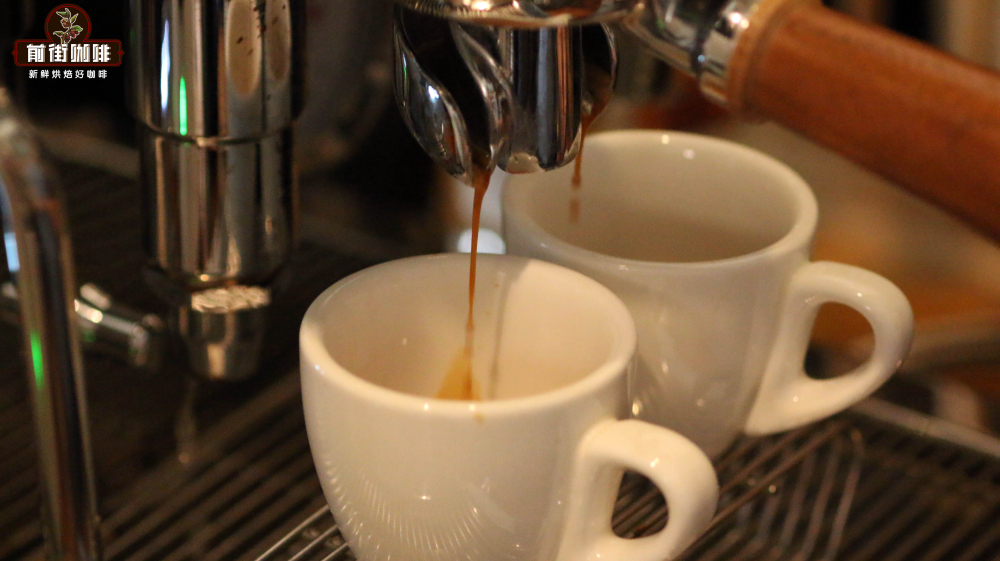
To ensure the group head is clean and to remove any residual coffee grounds, it’s advisable to open the brew switch and run water for 1 to 2 seconds to pre-wet. Then, place the cup for receiving espresso on the scale, tare the weight, and position it under the spout ready to collect the coffee.
Gently mount the portafilter onto the group head, stabilize it, and then pull the brew switch. At this point, closely observe the color and flow rate of the coffee. When the scale shows 40 grams of coffee have been extracted and the time falls within the 25 to 30-second range, pull the switch to stop the extraction.
If you wish to make an Americano, simply prepare a cup with a capacity of about 200 to 250 milliliters, add 160 to 200 grams of hot water, and pour the freshly extracted espresso into it—your simple and classic hot Americano is complete.
If you prefer a hot latte, it’s recommended to use a 300-milliliter cup, first pour the freshly made espresso, then take 220 milliliters of fresh milk and heat it in a pitcher to 55 to 60°C while steaming it into a smooth microfoam. Finally, blend the milk and espresso evenly, and you can also practice latte art to enhance both the visual and flavor experience of each cup.
Note that due to daily variables such as humidity and coffee bean freshness, extraction parameters may subtly change. Therefore, it’s recommended to flexibly adjust the dose, grind setting, and final yield according to actual conditions each time to consistently extract espresso with the best flavor.
The above content is compiled by CoffeeHunters, a coffee news website.


