







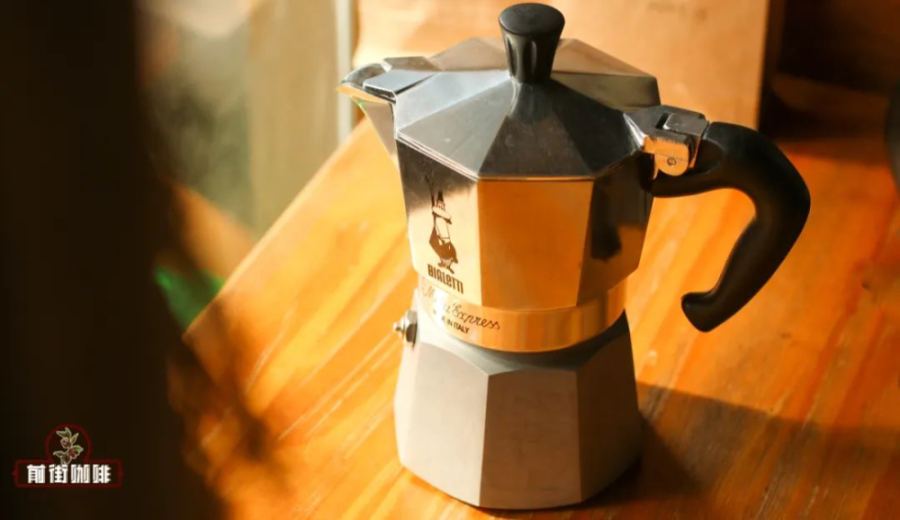
Introduction:Want to recreate café-quality espresso at home with a moka pot, but often encounter issues like coffee spraying violently, no extraction for ages, or zero crema? This hands-on guide helps you master the key variables of pressurized brewing — from bean selection and grind size to heat control. We break down three common problems and offer professional recommendations on coffee-to-water ratio and tamp techniques, so you can consistently brew rich, smooth homemade espresso.
Thanks to its pressurized extraction method, the moka pot can produce bold, espresso-like coffee, making it a popular home alternative for coffee lovers. Though not hard to use, beginners often run into various issues during brewing that affect the final flavor. This article dives into the three most common moka pot problems: sudden coffee spray, no liquid after prolonged heating, and lack of crema. For each issue, we analyze the causes and provide practical adjustments, covering key factors like roast level, grind size, coffee dose, tamping, and heat control — helping you fine-tune your brewing parameters with precision.
1. Coffee Sprays Out in a Violent Jet
Normally, coffee from a moka pot should flow out smoothly and steadily. If it squirts out forcefully or even splits into two jets, it means something’s off with your setup or parameters. This can happen in two ways: either the coffee erupts right at the start of extraction, or the flow suddenly speeds up midway, resembling a “double ponytail” spray.
The first scenario is usually due to insufficient resistance from the coffee puck combined with overly high steam pressure, pushing the liquid out abruptly. Common causes include using single-origin light roast beans — these beans, having been heated for a shorter time, are harder and release less CO₂, allowing hot water to pass through the coffee bed too quickly and causing an instant surge.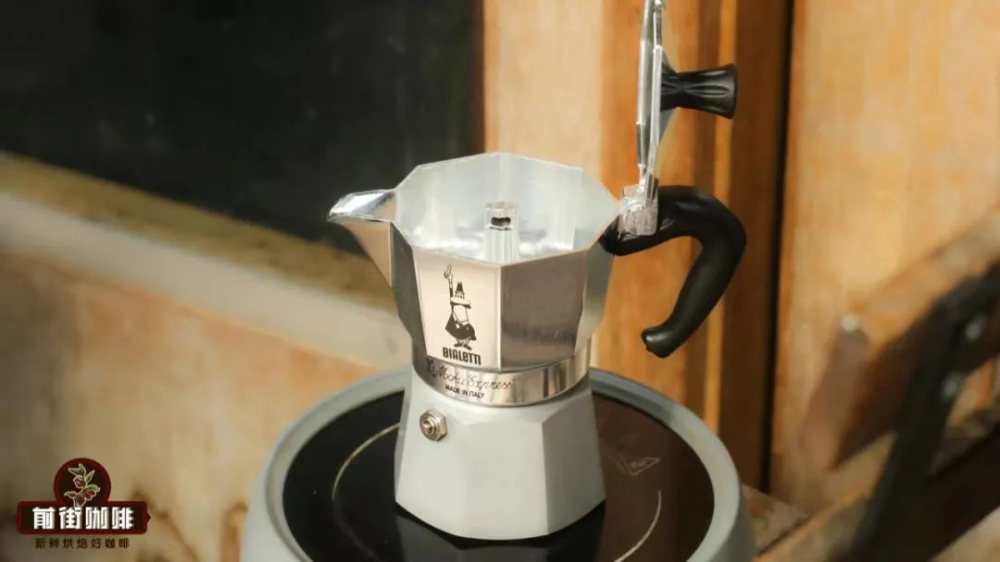 We recommend switching to medium-dark roast beans, which not only enhance crema but also intensify the espresso flavor. For beginners, consider a classic blend (known for its rich buttery notes and generous crema, great for Americano or latte), or a dark cocoa blend (with notes of nuts, cream, caramel, and chocolate, highly praised by baristas and perfect for moka pot brewing). You can also increase the coffee dose, grind finer, or tamp more firmly to boost puck resistance.
The second issue often stems from using excessively high heat throughout the brew. Once the coffee initially breaks through the puck’s resistance, if you don’t lower the heat or move the pot off the heat source in time, continued high temperatures will further reduce puck resistance, causing the liquid to shoot out at high speed. This not only ruins the taste but also poses a scalding risk — so pay extra attention during brewing.
2. No Coffee Comes Out After Long Heating
Opposite to the spraying problem, some users face the frustration of heating the moka pot for ages with no liquid coming out. A critical note: if the water level rises above the safety valve and no drips appear even after extended heating, stop the brew immediately to avoid dangerous pressure buildup and potential explosions.
Common culprits include grinding too fine, using too much coffee, or tamping too hard — all of which significantly increase puck resistance, leaving too little space for water to pass through. Even if liquid eventually drips out, it’s likely over-extracted, tasting bitter and unpleasant. If this happens, it’s best to reassess and adjust your parameters right away.
3. Extracted Coffee Lacks Crema or Foam
While the moka pot’s pressurized extraction can’t match a professional espresso machine, it can still produce a certain degree of coffee “crema,” which is actually made up of tiny CO₂ bubbles. Due to the lower internal pressure, the crema layer is typically thinner and shorter-lived, but you should still see some fine foam under normal circumstances.
If your brewed coffee has almost no bubbles on top, possible reasons include grinding too coarse, using beans roasted too long ago, or employing pre-ground coffee. The most critical factor, however, is overall insufficient extraction pressure. We suggest starting by adjusting to a finer grind or slightly increasing the coffee dose, then observing the flow rate to determine whether the issue lies with bean freshness or grind settings. At the same time,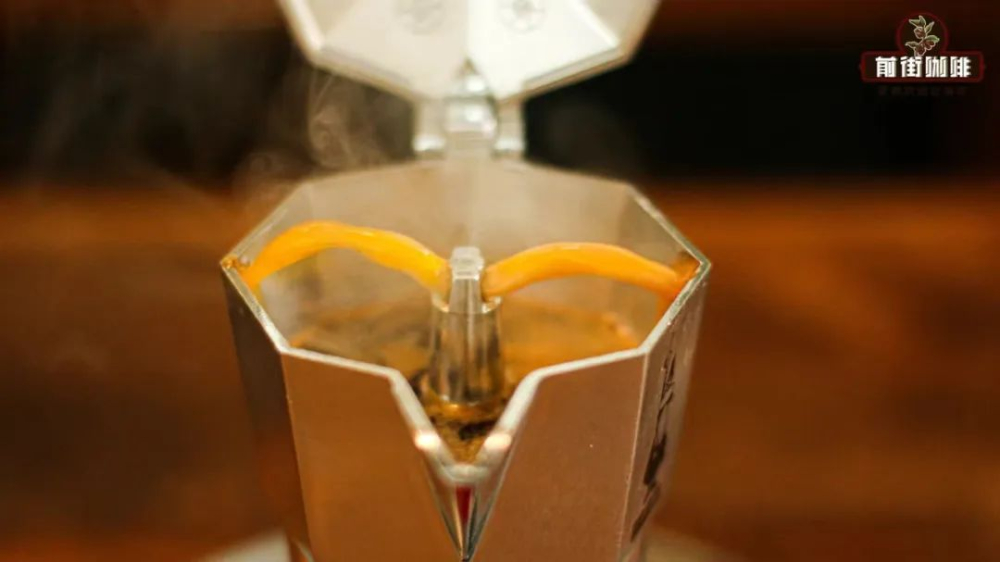 always make sure to use freshly roasted coffee beans for the best extraction and flavor.
The above content is compiled by CoffeeHunters, a coffee news website.


