







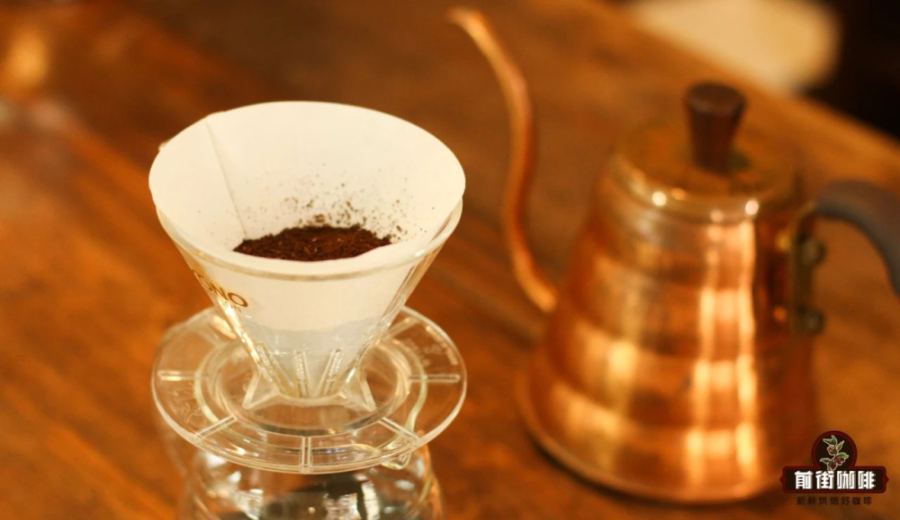
Introduction:Pour over coffee is one of the most iconic brewing methods in specialty coffee culture. By using a filter cone and paper filter, it highlights the inherent flavors of coffee beans. Though simple to operate, it requires skill. This article covers everything from basic equipment and the principles of pour over brewing to a step-by-step guide on the three-phase pouring technique. Learn how to use 15 grams of coffee grounds with a 1:15 coffee-to-water ratio, controlling water temperature, grind size, and brew time to produce a cup of coffee with distinct layers and clarity of flavor. It’s an essential practical guide for beginners.
Since the rise of the third wave of specialty coffee, pour over brewing has become a globally cherished method for experiencing the essence of coffee's true flavors. This extraction method, which filters out coffee grounds through a filter cone and paper, not only clearly showcases the unique regional characteristics of coffee beans, but also offers a process full of ritual and visual appeal.
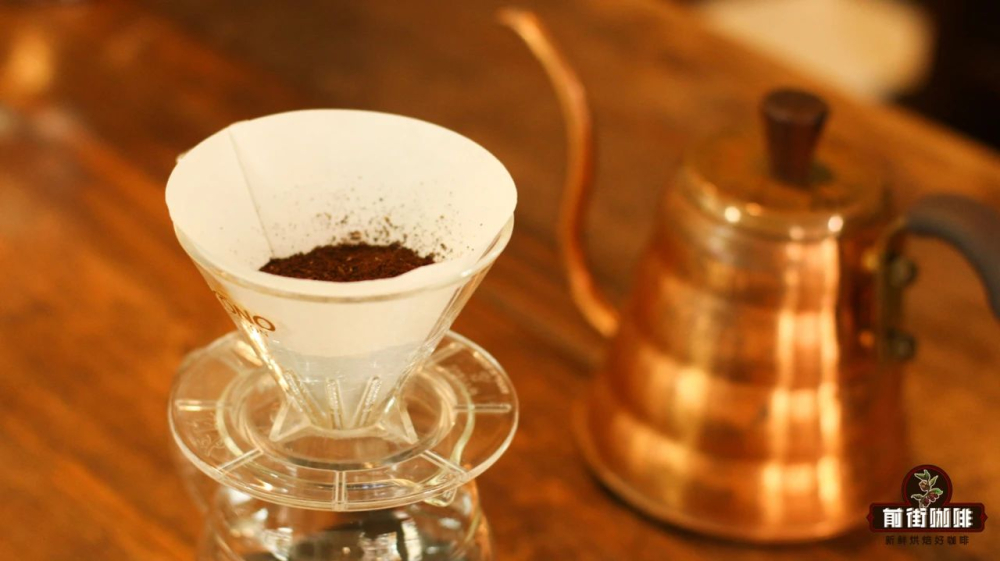
The origins of pour over coffee can be traced back to the pursuit of a pure coffee taste. In 1978, the concept of specialty coffee was first introduced, emphasizing that coffee beans grown in specific microclimates and geographical environments can express unique "regional terroir." The pour over method, due to its ability to precisely control water temperature, flow rate, and brewing time, became the ideal choice for highlighting these delicate flavors. Compared to machine extraction, the pour over process is more engaging—watching hot water slowly penetrate the coffee bed and gradually release aromas is itself an enjoyable experience.
As for the term “pour over coffee,” there are actually interesting cultural differences across regions. While it is uniformly called 手沖 (literally “manual pour”) in Chinese, the English equivalents include “pour over coffee,” “hand drip coffee,” and “filter coffee.” Among these, “hand drip coffee” is more commonly used in Japan and Korea, emphasizing the visual imagery of water droplets slowly dripping down. “Pour over,” on the other hand, is popular in Europe and America, focusing on the dynamic movement of water flowing over the coffee bed. Meanwhile, “filter coffee” may, in some regions, refer broadly to coffee made by drip filter machines, so context is key. Understanding the nuances behind these terms helps gain deeper insight into the characteristics of coffee cultures around the world.
To prepare a cup of pour over coffee, you’ll need the following basic equipment: a pour over kettle, filter cone, server, grinder, filter paper, digital scale, and thermometer. The filter cone and paper not only filter out coffee grounds but also absorb some of the oils, resulting in a cleaner mouthfeel. For example, the V60 filter cone, with its unique spiral ridges, is suitable for light roasted beans, guiding water to flow evenly through the coffee bed and highlighting acidity and fruity floral notes. The Kono filter cone, with its smooth inner wall, is better suited for medium to dark roasts, preserving a richer body. A digital scale is used to accurately measure coffee grounds and water volume. A 1:15 coffee-to-water ratio (e.g., 15 grams of coffee to 225 grams of water) is recommended as a baseline to ensure balanced flavor. A thermometer is used to monitor water temperature—light roasts are best brewed with water at 90–92°C, while dark roasts should be adjusted to 88–89°C to avoid extracting excessive bitterness due to overly high temperatures.
The choice of grinder is equally critical. The coarseness of coffee grounds directly affects extraction efficiency: too coarse leads to under-extraction and weak flavor, while too fine can cause over-extraction and bitterness. It is generally recommended to aim for a grind size close to 80% extraction through a standard 0.85 mm sieve—similar in texture to fine sugar. This grind allows for an optimal water flow rate and contact time, fully extracting the aroma and sweetness of the coffee.
During actual brewing, it is suggested to start with 15 grams of coffee grounds and 225 grams of hot water, following the three-phase pouring method. First, wet the filter paper with hot water and preheat the equipment to prevent the filter cone from absorbing heat and lowering the water temperature. Then, place the ground coffee into the filter cone and gently shake it to level the surface. The first step is to pour 30 grams of hot water for the bloom phase, lasting about 30 seconds. This step releases carbon dioxide from the coffee grounds and opens up channels for subsequent extraction. The second phase involves pouring until the total water reaches 125 grams, then waiting for the coffee liquid to drain to about half its height before proceeding to the third phase. The final total water volume should reach 225 grams. The entire process should take approximately 2 minutes in total to ensure sufficient extraction of flavor compounds, while avoiding over-extraction that can release unwanted impurities.
Once you’ve mastered these basic parameters and steps, you can make adjustments based on personal taste preferences. For example, if you prefer a brighter acidity, you might slightly increase the water temperature or shorten the brew time. If you enjoy a fuller body, you can lower the water temperature or extend the overall brew time. With continuous practice and record-keeping, every coffee enthusiast can find their own golden ratio and enjoy the endless pleasures of pour over coffee.
The above content is compiled by CoffeeHunters, a coffee news website.


