







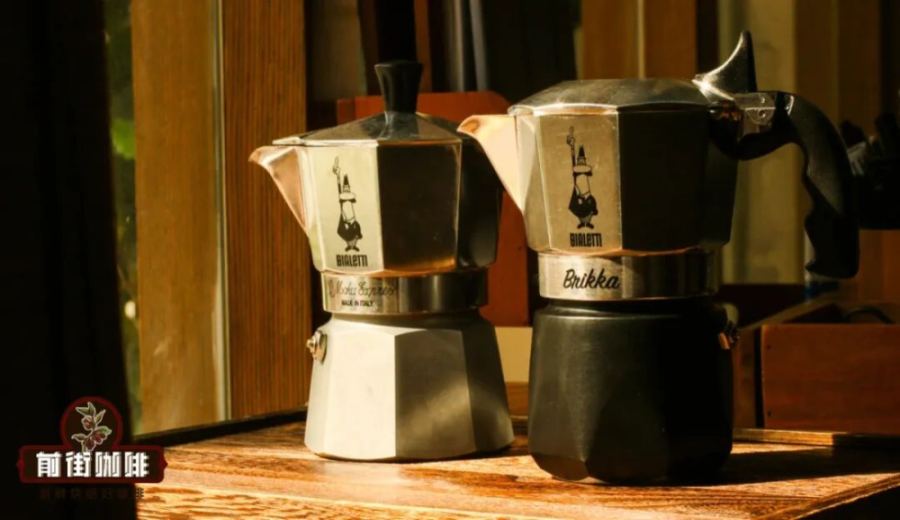
Introduction:The moka pot is not only a great tool for brewing espresso-like coffee, but also a daily companion for many coffee enthusiasts. However, many often overlook the importance of cleaning and maintenance, leading to oxidation of the pot body, aging of rubber gaskets, and even affecting the flavor of the coffee. This article will provide a detailed guide on the proper cleaning procedures for both aluminum and stainless steel moka pots, including tips for disassembling and cleaning the gaskets and filter screens, simple methods to fix oxidation spots, and practical advice to extend their lifespan—helping you keep your moka pot looking and performing like new.
Many coffee lovers who use moka pots are familiar with its operation and brewing techniques, but often neglect post-use cleaning and care. Improper cleaning not only dulls the pot’s shine, but can also cause irreversible oxidation damage, ultimately affecting the purity of the coffee’s flavor. In fact, the lifespan and brewing quality of a moka pot are closely related to daily cleaning habits.
This article provides a complete cleaning and maintenance guide for the commonly available aluminum and stainless steel moka pots on the market—from daily washing, disassembling and cleaning the gaskets and filter screens, to simple repair methods for oxidized pot bodies. It explains each step in detail so you can master the correct procedures, effectively extend the life of your moka pot, and maintain the original flavor of every cup of coffee.
Before diving into the details of cleaning and maintenance, it's worth understanding which coffee beans are best suited for moka pot use. The moka pot uses a pressurized extraction method similar to that of an espresso machine, making it particularly well-suited for medium to dark roasted coffee beans, which can fully showcase rich, full-bodied, and layered flavors.
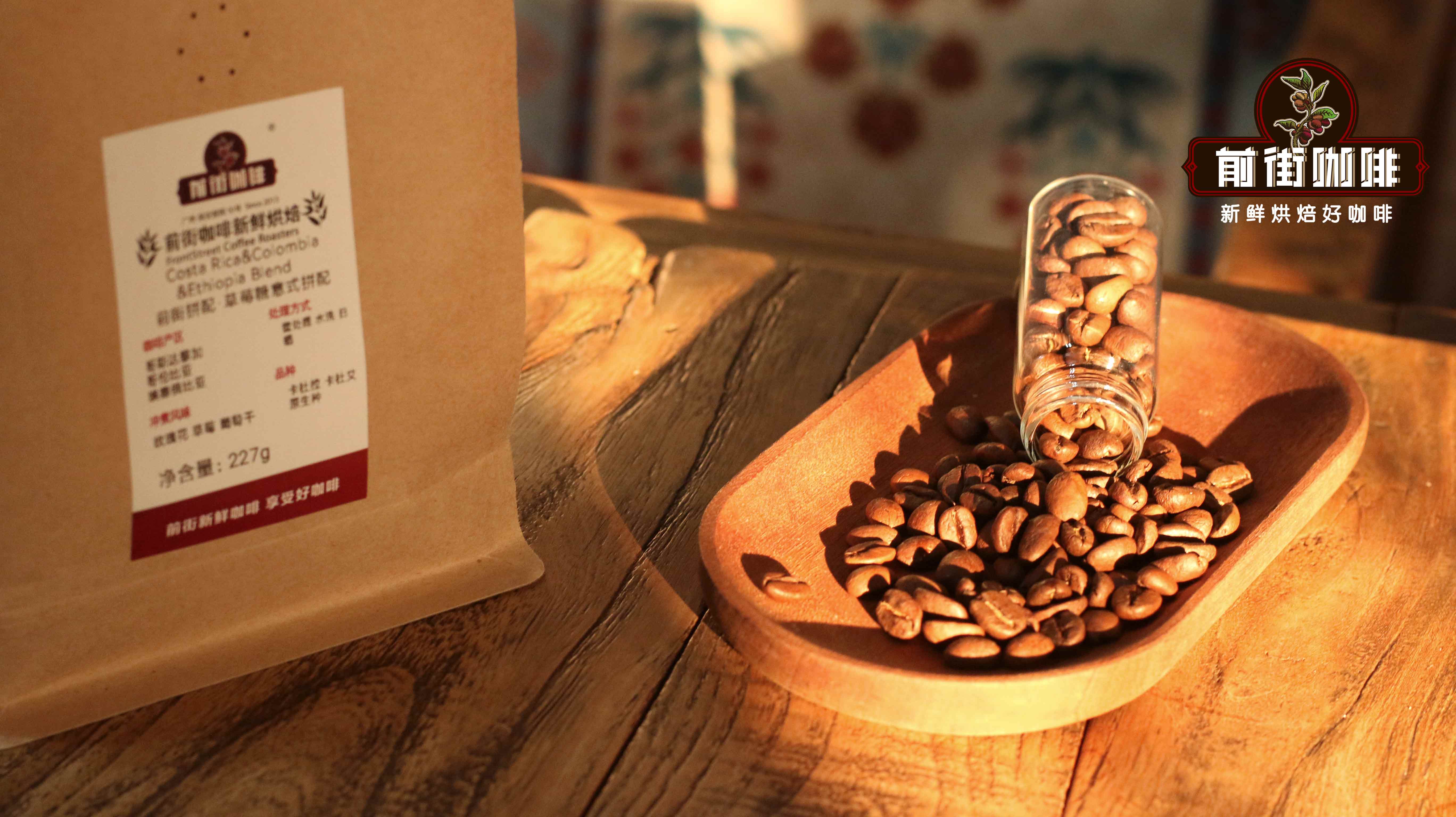
For example, users who prefer a thick crema and intense roasted notes can choose blends dominated by caramel, dark chocolate, and roasted hazelnut profiles. If you prefer a brighter fruitiness and softer acidity, you might try a blend of honey-processed beans from Costa Rica, Ethiopia, and Colombia. These types of beans are not only suitable for moka pot brewing but also allow their unique regional characteristics to shine through.
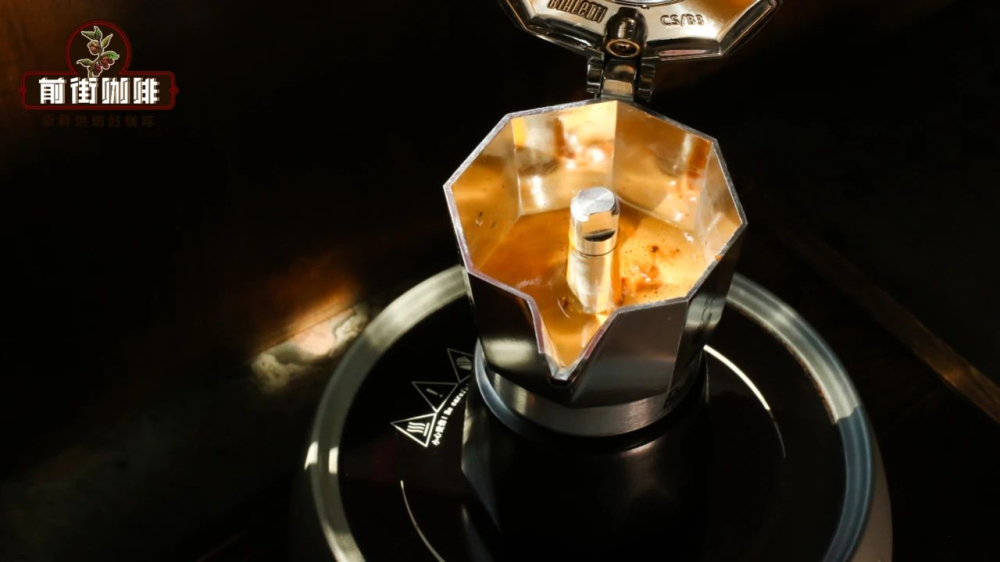
Returning to the main topic, let’s now take a detailed look at the daily cleaning process for moka pots, along with considerations for different materials. First, many people have the habit of simply rinsing the pot with water or using a small amount of dish soap after use, not realizing that this is one of the main culprits behind the pot’s “blackening.” This so-called “blackening” is actually surface discoloration and spotting caused by oxidation reactions, commonly resulting from improper cleaning or incomplete drying.
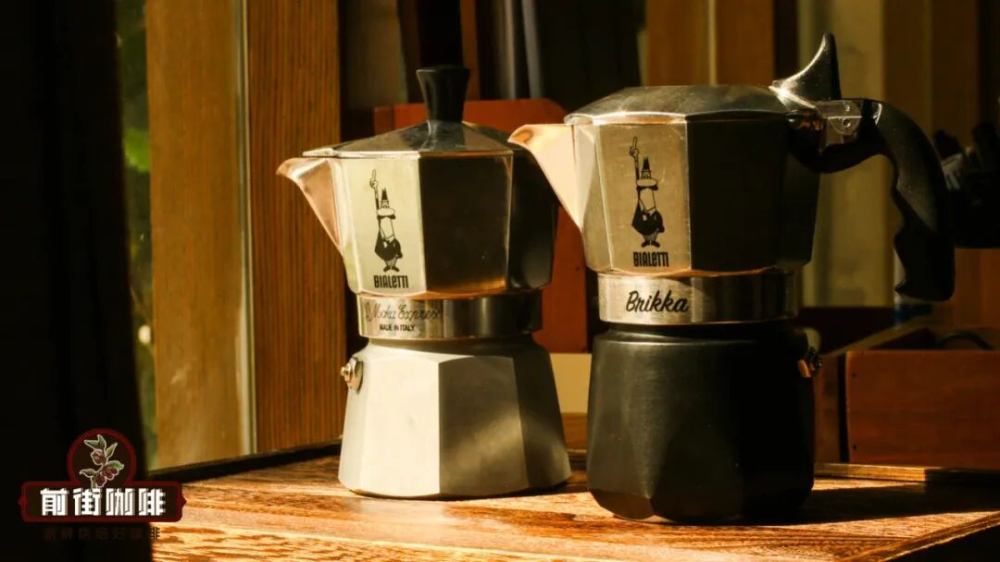
Moka pots are mainly divided into two types based on material: aluminum and stainless steel. Although aluminum pots are lightweight and have fast heat conduction, they are highly reactive with alkaline components or chlorine found in cleaning agents, which can lead to corrosion and oxidation. In addition, aluminum has strong adsorption properties—if cleaning agent residues or odors remain, they may also affect the aroma of the coffee brewed later. Therefore, when cleaning an aluminum moka pot, it is recommended to use only water and avoid any cleaning agents.
Stainless steel, on the other hand, offers better corrosion resistance and can be cleaned with mild dish soap if needed. However, care should be taken to avoid the gasket area, as dish soap can accelerate rubber aging, reducing the airtightness of the pot and thus affecting extraction pressure and flow rate.
Regardless of the material, be sure to avoid using steel wool or other abrasive cleaning tools, as they can scratch the surface and damage the protective layer, thereby accelerating oxidation and the buildup of stains.
After cleaning, do not rush to reassemble the pot. Allow all parts to air dry naturally before putting them back together to prevent moisture residue that could lead to secondary oxidation. This step is especially important in humid environments.

In addition to the main body of the pot, many people often overlook two key small components during cleaning—the gasket and the filter screen. These are not only essential for maintaining brewing pressure, but are also common areas where dirt and grime accumulate. Coffee grounds and residual oils can easily build up around the gasket and within the holes of the filter screen, and a quick rinse with water alone often doesn’t clean them thoroughly.
In fact, the gasket and filter screen can be easily removed. To do this, simply use a flat tool (never anything sharp) to gently pry up one edge of the gasket from the inside. Once the gasket is removed, the filter screen will usually come loose as well, allowing you to thoroughly clean these often-neglected parts.
When reassembling, make sure the filter screen is oriented correctly: the concave side faces inward, and the convex side faces outward. Otherwise, it may cause leakage during brewing, affecting stability. Additionally, the gasket is a consumable item. Over time, its elasticity and sealing performance will gradually decline. It is recommended to inspect it regularly. If obvious wear or leakage is noticed, it is advisable to replace it promptly. Its typical lifespan is about one year, but this can vary depending on usage frequency.
If you unfortunately discover unsightly black spots on your moka pot due to oxidation, there’s no need to worry too much. The pot body, typically made of food-grade aluminum alloy, is not harmful to health even if it shows signs of surface oxidation. To improve its appearance, you can try diluting white vinegar or lemon juice with water, soaking the oxidized areas for about an hour, and then gently wiping with a soft cloth. This can help fade the oxide deposits and restore a more uniform color to the pot.
In summary, while the cleaning and maintenance of a moka pot may seem trivial, it is key to maintaining brewing quality and extending its lifespan. By mastering the correct methods and performing regular cleaning and appropriate care, your moka pot will surely accompany you in brewing countless cups of rich and delightful coffee.
The above content is compiled by CoffeeHunters, a coffee news website.


