







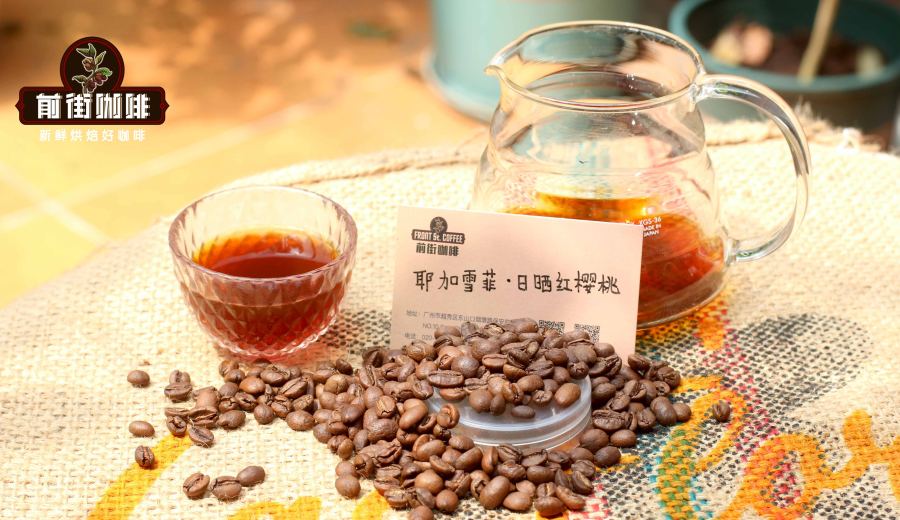
Introduction:As a byword for high-quality Ethiopian specialty coffee, Yirgacheffe’s sundried premium bean varieties are renowned for their bright fruity aromas and vibrant acidity. A brand’s “Red Cherry Yirgacheffe G1,” sourced from the high-altitude Kochere region, is made from the Heirloom variety using traditional sun-drying methods and medium-light roasting to preserve its rich fruit character. This article delves into its flavor profile, processing details, suitable brewing methods, and offers practical extraction references to guide you through the full sensory experience — from dry aroma to aftertaste — of this classic bean.
Yirgacheffe, a small town in Ethiopia’s southern highlands, is not only one of the birthplaces of coffee but also a holy grail for global specialty coffee enthusiasts. Its sundried premium-grade beans are widely praised for their abundant fruity aroma, clear acidity, and unique citrus notes. The “Red Cherry Yirgacheffe G1” from a certain brand comes from the Kochere micro-region within this area, grown at altitudes between 1,800 and 2,000 meters — a typical high-altitude cultivation environment that allows the coffee cherries to ripen slowly and accumulate richer flavor compounds.
This coffee uses the local native Heirloom variety, commonly referred to as a “traditional blend,” which consists of diverse genetic lineages unique to Ethiopia. These have evolved through a mix of natural wild growth and selective breeding, resulting in highly layered aromatic expressions. Paired with the traditional sundried processing method, the coffee cherries are dried directly in the sun for about four weeks after harvest, fully retaining the sugars and fruitiness from the pulp, thereby imparting a smoother and more rounded mouthfeel foundation to the coffee.
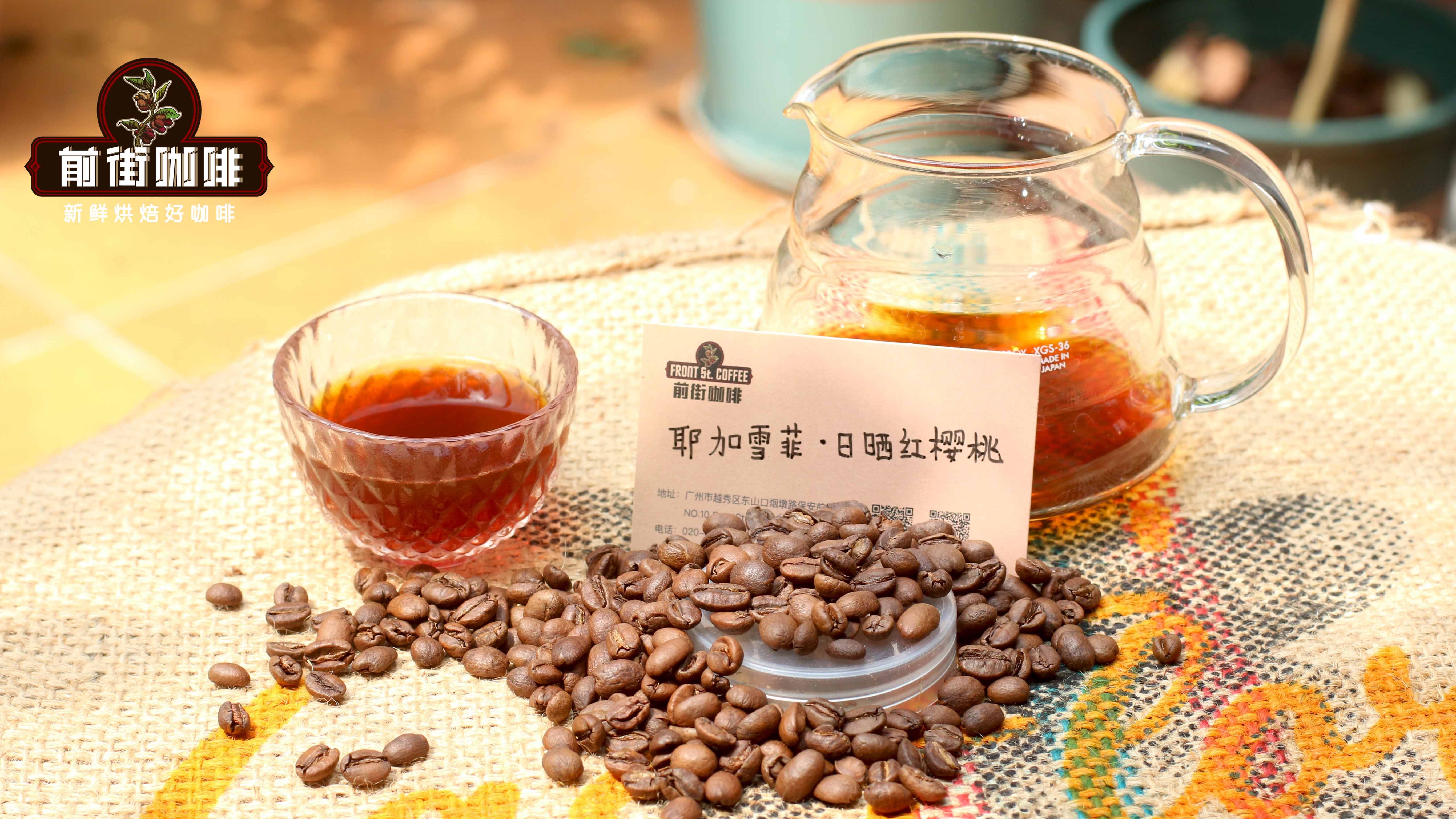
In terms of roast level, a certain brand opts for a medium-light roast. This degree of roasting showcases the bright acidity and fruity characteristics of sundried beans just right, avoiding excessive caramelized flavors that might overshadow the coffee’s original freshness. According to data, the flavor of this bean includes:notes of peach, honey, citrus, and cane sugar, with distinct yet harmonious layers. It is not only ideal for single-origin pour over, but also shines in cold brew or sparkling coffee applications.
In the dry aroma stage, a delicate floral scent and sweet vanilla note can be clearly perceived, accompanied by distinct hints of peach and honey, along with a subtle sugary sweetness. The overall fragrance is clean and uncluttered. Once water is poured and the wet aroma stage begins, the soft ambiance of vanilla plants, the sweet richness of ripe peaches, plus the fresh acidity of citrus further release an inviting medley of fruity tones.
Regarding processing methods, sundrying is one of the oldest and most weather-dependent techniques. In the traditional sun-drying process used by a certain brand, harvested coffee cherries are not depulped but instead spread out on raised beds to dry under prolonged sunlight. They are regularly turned to ensure even heat exposure, and moisture content is closely monitored to prevent over-fermentation or mold. This process usually takes around 28 to 30 days, demanding very high standards in sunlight intensity, temperature control, and manual management. It is this dedication that results in its complete and multi-layered natural fruit aroma.
Concerning the grading system, Ethiopian sundried beans are categorized into five grades — G1 to G5 — based on the ratio of defective beans and the appearance of green beans. Among these,G1 is the highest grade, representing the lowest defect rate and the highest quality of green beans. The G1 sundried Red Cherry selected by a certain brand not only possesses an exceptionally intense fruity aroma, but also exhibits more consistent and pleasing dry aromas and cupping profiles. Many first-time tasters of high-grade sundried beans are often amazed at how coffee can exhibit such vivid fruit flavors — it's like sipping fresh juice, a delightful surprise.
This bean is suitable for various brewing methods, including pour over, cold brew, drip machines, and espresso machines. For pour over preparation, it is recommended to use a medium-fine grind (similar to fine sugar or slightly coarser), with water temperature controlled between 90°C and 93°C. Employing a multi-pour technique, such as two- or three-stage pouring, helps balance the acidity and sweetness while highlighting the flavor layers. A general powder-to-water ratio of 1:15 to 1:16 is suggested, with minor adjustments based on personal taste.
In summary, a certain brand’s Red Cherry Yirgacheffe G1, with its bright acidity, rich fruitiness, and mellow sweetness, perfectly embodies the charm of Ethiopia’s high-altitude sundried beans. Whether you’re a beginner coffee enthusiast or an advanced drinker seeking complexity in single-origin beans, this offering is worth adding to your daily rotation and serves as an excellent entry point into the terroir of Ethiopian coffee.
The above content is compiled by CoffeeHunters, a coffee news website.


