







Introduction:Panama Geisha coffee, with its distinctive floral, citrus, and berry notes, has become the focus of global specialty coffee enthusiasts. This article will delve into the geographical advantages of Panama’s main coffee-growing regions, the grading and processing characteristics of Geisha from Hacienda La Esmeralda and Elida Estate, and provide professional pour over recommendations to help readers gain a deeper understanding of this “fruit tea of the coffee world” and find their own optimal way to enjoy it.
In the world of specialty coffee, Panamanian coffee has always stood out for its delicate and diverse flavors, but none are more representative than the Geisha variety. Originally from Ethiopia, this coffee variety has become a global star in the coffee market due to its remarkable performance in Panama. When people think of Geisha, many immediately picture bright citrus notes, intricate floral aromas, and rich berry and tea-like aftertastes. These unique sensory experiences make Geisha not just coffee, but more like an exquisite fruit tea.
Although Geisha is now grown in several regions including Yunnan, China, its extreme sensitivity to altitude, climate, and shade means it can only fully express its most complete and captivating layers under specific microclimatic conditions like those in Panama. The significant day-night temperature variation at high altitudes, fertile volcanic soils, and moderate shading create the unforgettable brightness of acidity, purity of floral notes, and overall delicate balance of flavors that define Panamanian Geisha.
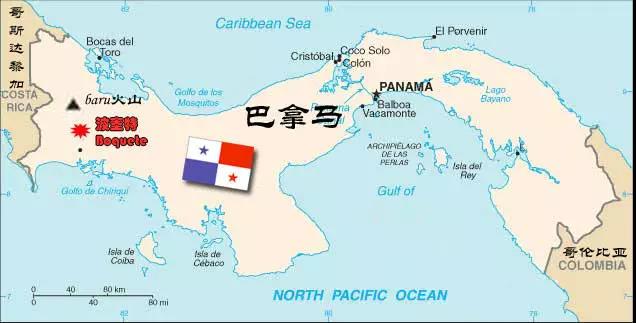
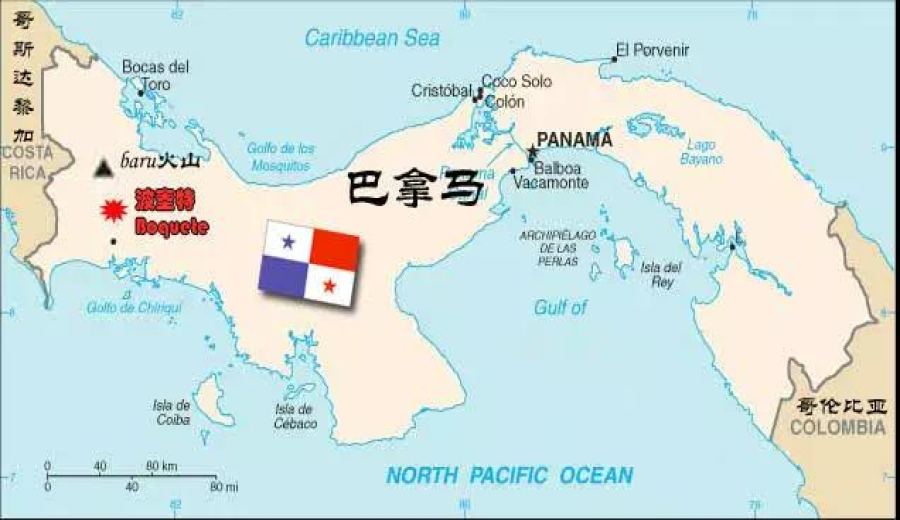
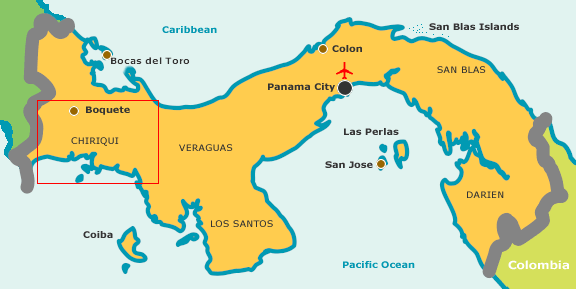
Panama is located on the Central American isthmus, geographically connecting North and South America, bordered by the Caribbean Sea to the east and the Pacific Ocean to the west. The country features mountainous terrain and a tropical maritime climate, with an average annual temperature between 23–27°C, distinct wet and dry seasons, and annual rainfall of about 1500–2500 mm — all highly suitable for coffee cultivation. The main specialty coffee-producing regions are concentrated in the western part of the country, including Boquete, Volcán, Santa Clara, and Piedra de Candela. Among these, Boquete and Volcán, located in the volcanic belt core of Chiriquí Province, boast fertile soils and significant day-night temperature differences, making them the golden regions for Geisha coffee.
When discussing the rise of Panamanian Geisha, one cannot overlook Hacienda La Esmeralda. This estate, situated at the foot of the Barú volcano, was not originally known for coffee but rather for ranching. It wasn’t until the late 1960s that it transitioned to coffee cultivation, and by the 1980s, through refined management and auction systems, its Geisha variety began to shine. Especially after achieving repeated success in international competitions, Hacienda La Esmeralda gradually became synonymous with Panamanian specialty coffee.
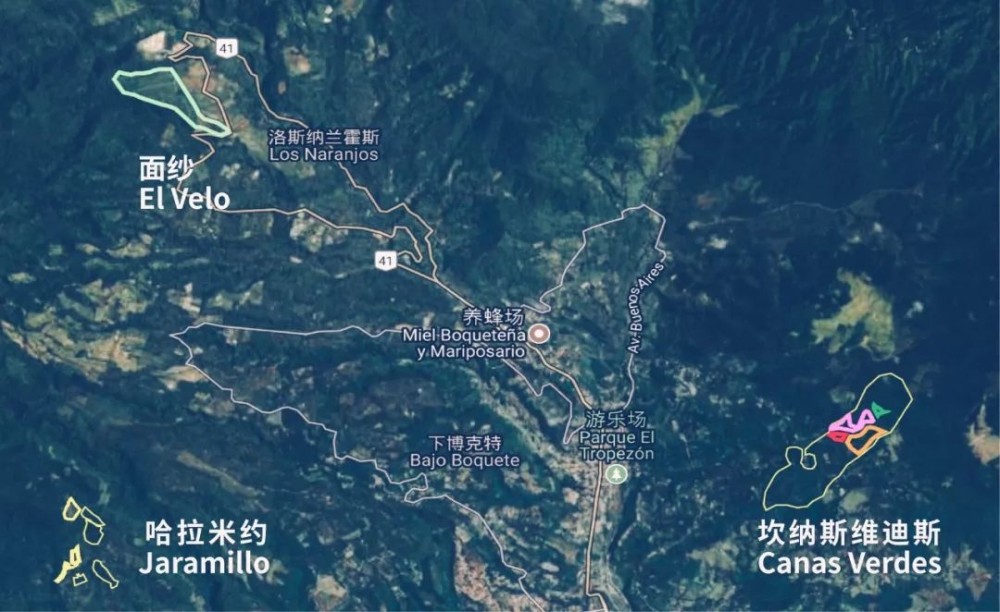
Hacienda La Esmeralda divides its coffee-growing areas into multiple brands and lots based on altitude, microclimate, and cupping results. Among them, the Geisha variety is mainly divided into three series: Esmeralda Special, Private Collection, and Geisha 1500 — which correspond to the commonly seen red, green, and blue labels in the consumer market.
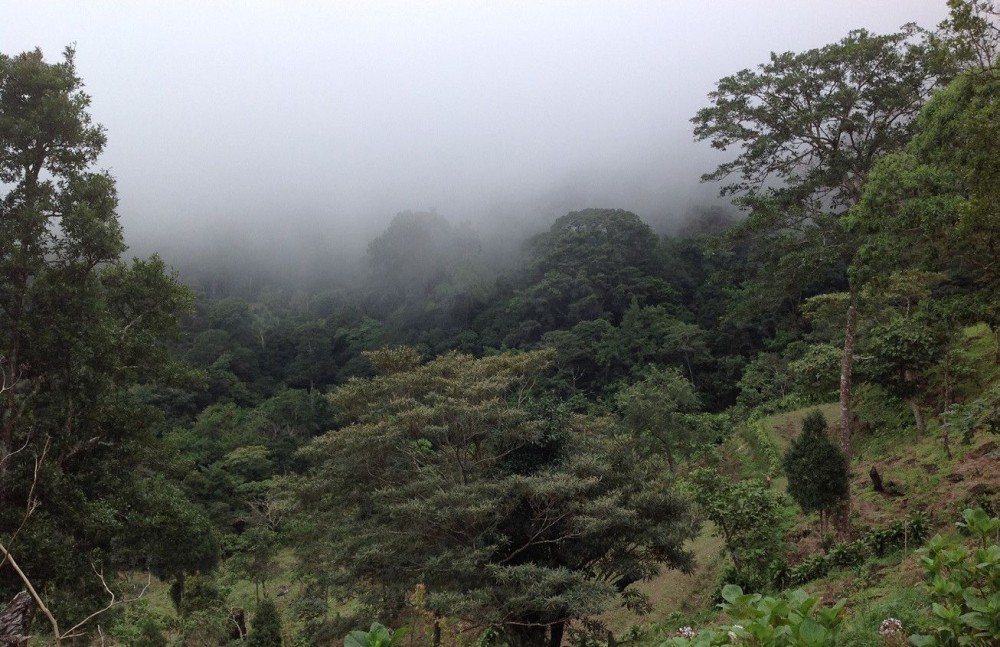
The Red Label Geisha comes from the Jaramillo and Canas Verdes regions at altitudes of 1600–1800 meters, usually achieving cupping scores of 90 or above. These beans are often processed using slow sun-drying methods and feature intense tropical fruit aromas, bright lemon and citrus acidity, and delicate jasmine floral notes, with a prominent sweetness — making it a top choice for many Geisha lovers.
The Green Label Geisha belongs to the Private Collection series, though it is not from auction lots, it still maintains a high standard. These beans are also grown at high altitudes and processed using both washed and sun-dried methods. The flavor profile is dominated by jasmine tea notes, with clear acidity and soft sweetness, often accompanied by layers of passion fruit and floral tea, making it suitable for drinkers who prefer a refreshing taste.
The Blue Label Geisha (Geisha 1500) comes from the Jaramillo, Cañas Verdess, and El Velo regions at altitudes of 1400–1500 meters. Previously a blended lot, its flavors were relatively mild, with less pronounced fruit acidity and floral notes, primarily using washed processing. However, since 2021, Hacienda La Esmeralda has discontinued the sale of Blue Label lots.
In addition to Hacienda La Esmeralda, Elida Estate is also a standout in the Boquete region. Covering 65 hectares, with over half located within the boundaries of the Volcán Barú National Park, only 30 hectares are actually planted, while the rest remain pristine forest. The coffee is grown at elevations of 1670–1850 meters, making it one of the highest-altitude coffee farms in Panama and creating its unique microclimate and slow maturation conditions.
In recent years, Elida Estate has gained fame for its original ASD slow anaerobic sun-dried processing method, and has achieved repeated success in the Best of Panama (BOP) competition. Its Geisha batches often feature distinct fermentation notes, berries, rose, and citrus tones, with an aftertaste that blends green tea and creamy aromas — richly layered and highly distinctive.
For coffee enthusiasts new to Geisha, it is recommended to start with washed-process Boquete Geisha. Such coffees typically exhibit clear citrus, lemon, and bergamot acidity, a smooth mouthfeel like cream, and a honey and green tea sweetness in the aftertaste. The flavors are fresh yet layered, making it very suitable for a pour over experience.
For brewing, it is recommended to use a Hario V60 dripper, with water temperature controlled at 91°C and a coffee-to-water ratio of 1:15. The grind size should be medium-fine, approximately equivalent to 80% passing through a Chinese standard No. 20 sieve. Use the three-pour method: start with a 30-second bloom using 30 grams of water, then pour in a circular motion to 125 grams and pause; after the coffee bed surface drops, pour again to 225 grams to complete the extraction. The total brew time is about 2 minutes, which can fully highlight the delicate flavors of Geisha.
In summary, Panama’s ability to nurture world-class Geisha coffee stems not only from its exceptional geographical and climatic conditions, but also from the growers’ deep understanding and strict control over variety, altitude, microclimate, and processing methods. Whether you are a coffee novice or a seasoned connoisseur, Panamanian Geisha can offer you an unprecedented tasting experience — well worth savoring in detail.
The above content is compiled by CoffeeHunters, a coffee news website.


