







Introduction:Ethiopia is not only the birthplace of coffee but also a vital genetic reservoir for specialty coffee worldwide. From the ancient legends of the Kaffa region to the widespread distribution of Typica and Bourbon varieties across the globe today, Ethiopian coffee culture is deeply rooted in everyday life. This article will delve into Ethiopia’s coffee cultivation methods, traditional coffee ceremonies, and the unique flavor profiles of its indigenous coffee varieties, taking you back to the roots of specialty coffee.
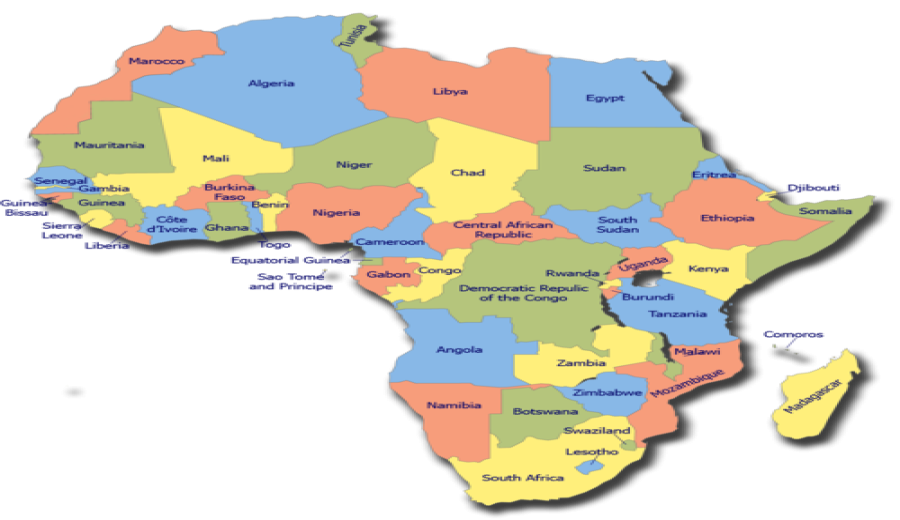
Located in East Africa, Ethiopia is not only the birthplace of coffee but also regarded as the genetic cradle of global specialty coffee. This land has given rise to countless coffee varieties, among which the two classic types—Typica and Bourbon—later spread around the world and became foundational pillars of the modern specialty coffee industry. Local smallholder farmers cultivate coffee using traditional methods, often intercropping with various other crops, creating a distinctive agrarian coffee landscape.
Ethiopia’s climate and geography are exceptionally favorable, with high altitudes and mild tropical conditions providing an ideal environment for coffee growth. Many coffee trees are grown in family farms, coexisting with other crops such as banana trees. This not only improves land use efficiency but also naturally regulates the microclimate, aiding in the even ripening of coffee cherries.

Regarding the origin of coffee, Ethiopia has an ancient legend: a shepherd named Kaldi noticed his goats becoming unusually energetic after eating red berries from a certain tree. When he tried them himself, he felt an unprecedented vitality. Though this story is difficult to verify, the deep connection between Ethiopians and coffee is undisputed. A strong cup of coffee in the morning has long been a common start to the day for many Ethiopian families.
The local coffee brewing methods are quite traditional, typically involving hand-roasting coffee beans over charcoal, grinding them with an iron pestle, and boiling them in a clay pot. Spices or sugar are often added during the process, and the coffee is served with traditional bread. This simple yet ritualistic brewing method allows one to savor the most authentic flavors of coffee.
Ethiopia also preserves a highly culturally significant coffee ceremony. The entire process is divided into three stages: the first cup, called ‘Abol,’ symbolizes blessing and is tasted first by the eldest family member; the second cup, ‘Tona,’ is a time for chatting with friends and family; and the final cup, ‘Beraka,’ brings joy and completion, marking the official end of the ceremony. This ritual usually takes over an hour and is an important part of Ethiopian social life.
Interestingly, the word ‘coffee’ is believed to originate from the Ethiopian region name ‘Kaffa.’ In the local language, coffee is called ‘bunn’ or ‘buna,’ sometimes collectively referred to as ‘Kaffa bunn.’ There is even a view that the English term ‘coffee bean’ evolved from ‘Kaffa bunn,’ highlighting its deep linguistic roots.
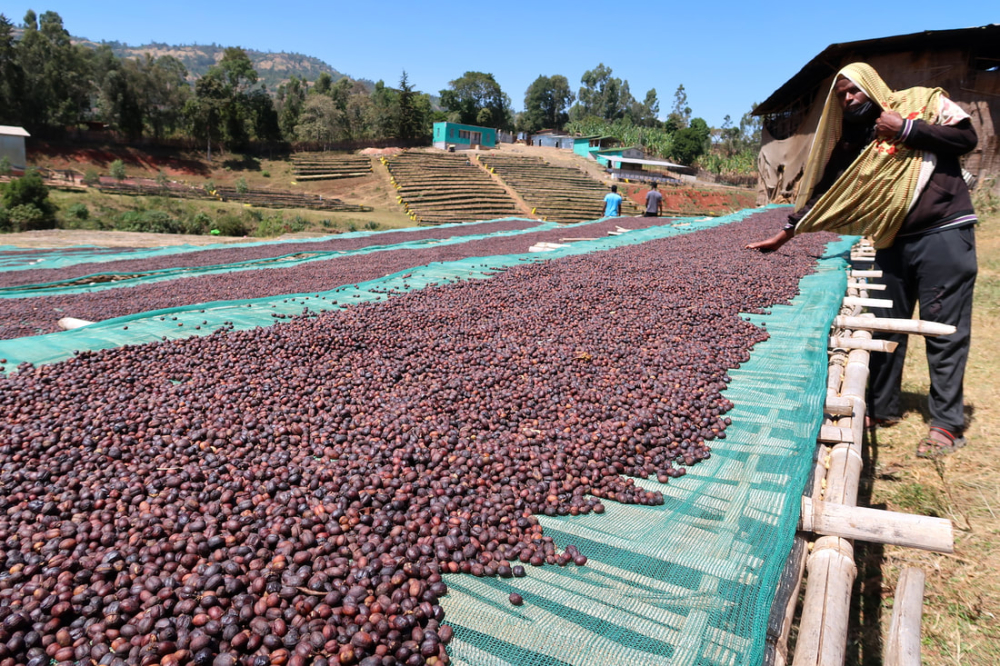
Coffee cultivation in Ethiopia is concentrated in the western and southern regions, with over half of it carried out by small-scale farmers using garden-style cultivation, with an average farming area of about four hectares per household. These coffee trees are often intercropped with other cash crops such as bananas, which provide shade and increase farmers’ income sources. Due to limited individual yields, coffee is often processed and sold collectively through cooperatives or processing facilities. For example, the Guji Natural Coffee Farmers Cooperative in the Yirgacheffe region provides washed processing services for local farmers and sells the coffee globally under the cooperative’s name.
In terms of variety, although most commercial Arabica varieties today originate from Typica and Bourbon, Ethiopia still retains a vast wild coffee gene pool with extremely high diversity. Due to complex growing environments and widespread interbreeding, most coffee beans are classified as ‘Heirloom’ (原生种), meaning they are not a single variety but rather a mixed group resulting from long-term natural and artificial selection in the region.
Although they are grown in mixed varieties, coffee from the same region can still be considered single-origin beans, emphasizing regional terroir rather than a single variety. These Heirloom coffees often vary in bean size, but when roasted lightly to medium, they typically exhibit bright citrus acidity and a refreshing taste, with rich flavor layers including lemon, blueberry, floral notes, and even tea-like aftertastes. They are highly favored by coffee enthusiasts worldwide.
Currently, Ethiopia ranks first in coffee production in Africa and fifth globally, making it a top choice for many coffee beginners exploring specialty coffee. Its fresh, low-bitterness characteristics make it easier for people to accept and enjoy the diversity of coffee. A washed coffee bean from the Yirgacheffe region, known for its distinct regional flavor and reasonable price, serves as a bridge for many coffee lovers making their first encounter with Ethiopian coffee.
To allow consumers to enjoy coffee at its best flavor, it is recommended to choose beans shipped within five days of roasting to ensure freshness and full aroma. Proper storage and brewing methods can further enhance the performance of Ethiopian Heirloom coffee, taking you deeper into the unique charm of this birthplace of coffee.
The above content is compiled by CoffeeHunters, a coffee news website.


