







Introduction:Espresso is the core foundation of many classic coffee beverages, from Americanos to lattes—all originating from this concentrated essence. This article delves into the historical background of espresso, key extraction parameters including dose, ratio, time, and grind size, and provides a clear step-by-step operational guide covering everything from dosing to extraction. It also shares practical settings for single and double shots, as well as recommended coffee beans suitable for home use, helping you achieve stable and flavorful espresso.
Espresso is an indispensable base for many classic coffee drinks, whether it’s a refreshing Americano, a milky Latte, or a Cappuccino with its velvety foam—all trace back to this concentrated essence. This article will start with the evolution of Italian coffee culture, taking you through the birth of espresso, then delve into the key parameters that affect extraction results, including dose, coffee-to-water ratio, extraction time, and grind size, breaking down the complete process from dosing, distributing and tamping to actual extraction in clear steps.
Additionally, based on practical brewing experience, we’ll explain common settings for single and double espressos in terms of dose, yield, and extraction time to help you achieve more stable extractions. We’ll also recommend several blended coffee beans suitable for making espresso at home, allowing you to enjoy a professional-grade espresso experience even at home.
The origin of Italian espresso can be traced back to the late 19th century in Italy, when coffee was introduced from the Middle East and Africa via the port of Venice, but was mostly enjoyed by the upper class. Initially, coffee was regarded by some Christians as the "devil’s drink." It wasn’t until the early 17th century, when Pope Clement VIII personally tasted it, that he not only vindicated it but also bestowed upon it the title of "the drink of God," after which coffee culture gradually took root in Italy.
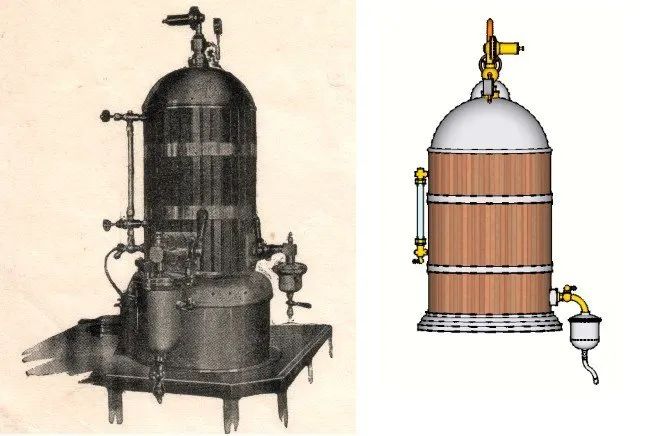
In 1645, the first coffeehouse in Europe was established in Rome, marking the beginning of Italian coffee entering public life. With the advent of the Industrial Revolution, efficiency became key, and Italians applied this spirit to coffee-making. In 1884, Angelo Moriondo registered the patent for the first steam-powered coffee machine, but due to poor temperature control in the early stages, it often resulted in burnt and bitter coffee. It was only after multiple improvements that it gradually became refined.
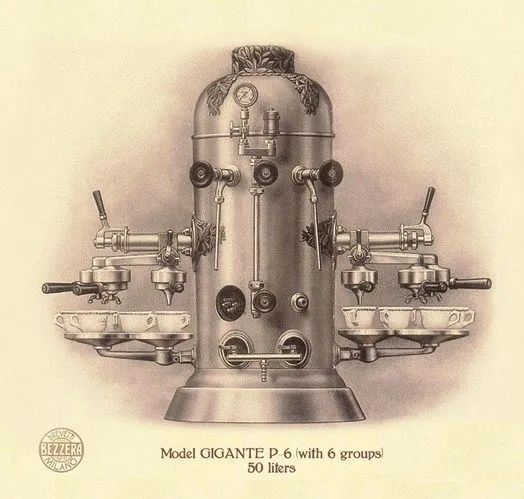
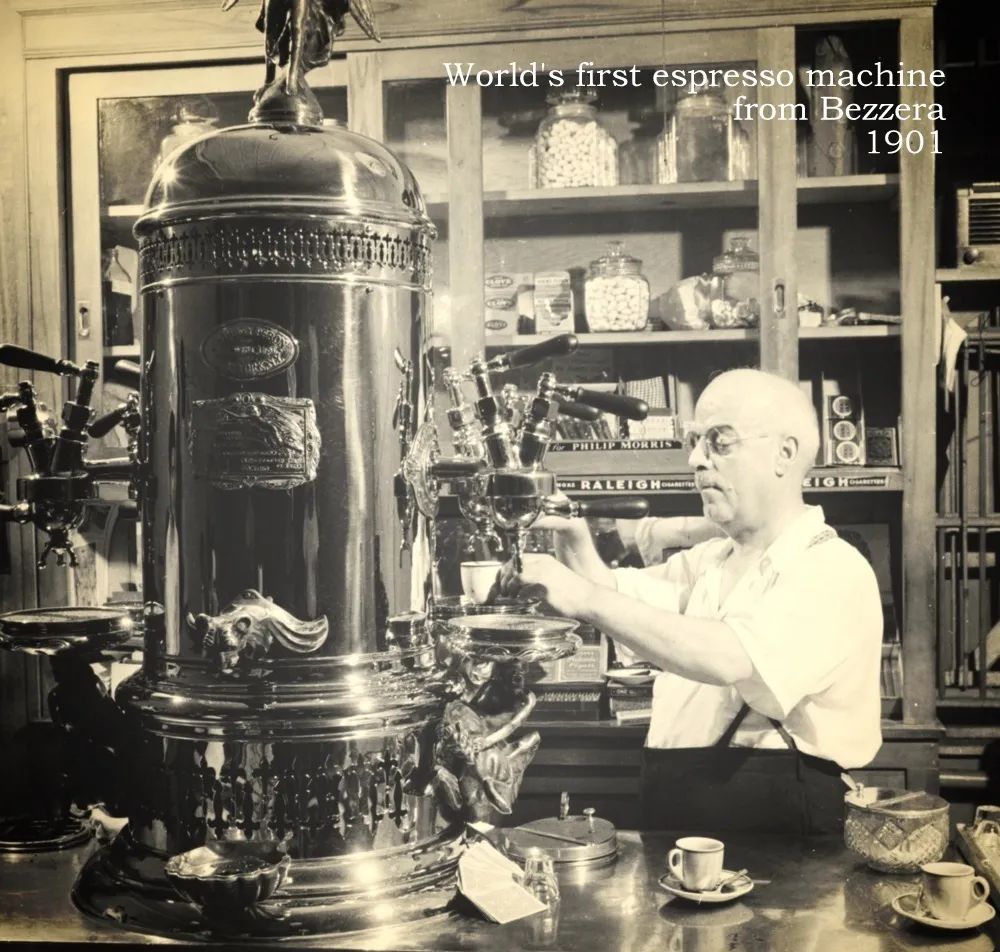
Entering the 20th century, Luigi Bezzera introduced the prototype of the first coffee machine with a detachable handle and high-pressure extraction capability, capable of producing espresso in a short time. As such machines became widespread, the term "Espresso" was officially included in the Italian dictionary around 1920, defined as concentrated coffee produced by pressurized equipment.
However, the flavor of early espresso was not accepted by everyone. It wasn’t until Milan engineer Achille Gaggia introduced the lever system in 1938, increasing water pressure from 1.5 bar to 9 bar, that the coffee surface began to display the captivating dark brown crema, and the extraction process became more stable and controllable. This innovation laid the foundation for modern espresso and shaped the fast, efficient coffee culture of Italian cafés.

In Italy, espresso is not just a beverage but a way of life. Most Italians are accustomed to stopping by a café during their busy day to order a single shot of espresso, usually dark roasted, emphasizing a rich and bold flavor, sometimes with added Robusta beans to enhance the crema layer. Local consumers often enjoy this small shot of essence for about 1 euro (approximately 7 RMB), getting a quick energy boost and satisfaction.
Making espresso hinges on the precise coordination of multiple parameters, including dose, coffee-to-water ratio, extraction time, grind size, water temperature, and pressure. Among these, water temperature and pressure are mostly preset by the machine, but dose, ratio, time, and grind size need to be adjusted according to actual conditions to extract espresso with the desired flavor.
For a single shot of espresso, 10–11 grams of coffee grounds are commonly used to produce 20–25 grams of coffee liquid, in about 22 seconds; for a double shot, 19–20 grams of coffee grounds are typically used to yield 35–40 grams of liquid, in approximately 28–30 seconds. The above values are for reference only—actual extraction may require fine-tuning based on the espresso machine, grinder, and coffee bean condition.
Here are the main parameter points that influence espresso flavor:
Dose:Single shot: recommended 10–11 grams; double shot: 19–20 grams, adjusted according to portafilter basket capacity.
Coffee-to-water ratio:Common ranges are 1:1.5 to 1:2.5; beginners can start with 1:2 (e.g., 20 grams of coffee yielding 40 grams of liquid).
Extraction time:The optimal range is 20–30 seconds; too short may lead to under-extraction and weak flavor, while too long may cause over-extraction, resulting in burnt and bitter notes.
Grind size:An extremely fine grind, almost powdery, is required, but adjustments should be made based on the machine’s actual flow rate to avoid channeling from too fine or fast flow from too coarse.
During extraction, it is recommended to set the water temperature at 92–94°C, with pressure maintained within the 9–10 bar range, to help extract bright acidity and rich flavor layers while forming a delicate crema.
In actual operation, first, pour the coffee grounds into a dry portafilter basket, ensuring it is clean with no leftover coffee. Then use a distribution tool or your fingers to evenly distribute the grounds, avoiding uneven density during tamping. After distribution, use a tamper to uniformly compress the coffee grounds with consistent pressure, ensuring the surface is flat without any indentations.
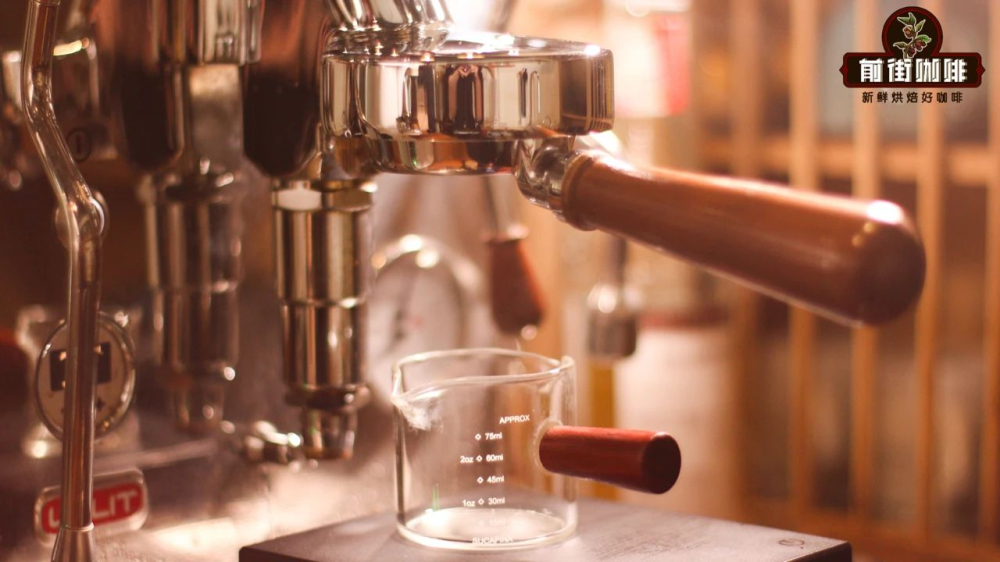
After tamping, before attaching the portafilter to the espresso machine’s group head, double-check that the tamp is level and there is no excess coffee around the basket. Gently twist and lock the portafilter in place, ensuring there is no leakage. It is recommended to let the group head release a small amount of water first to stabilize temperature and preheat the system.
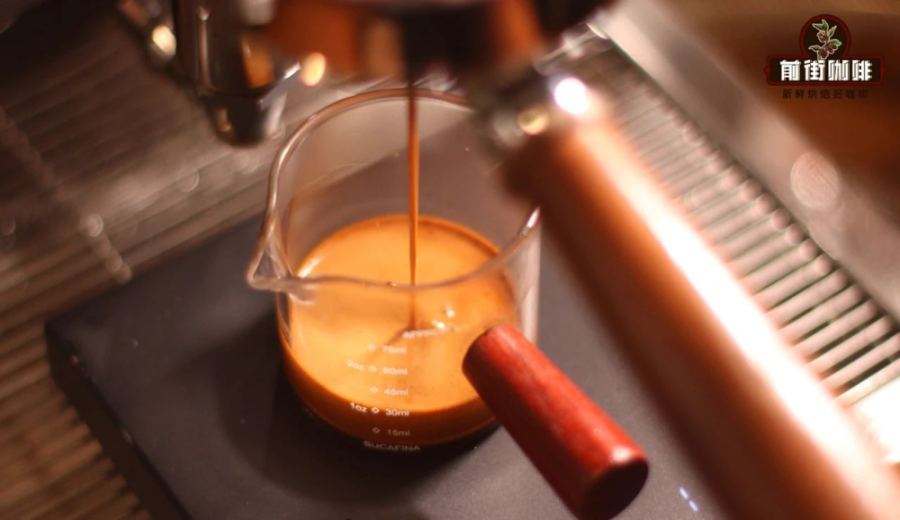
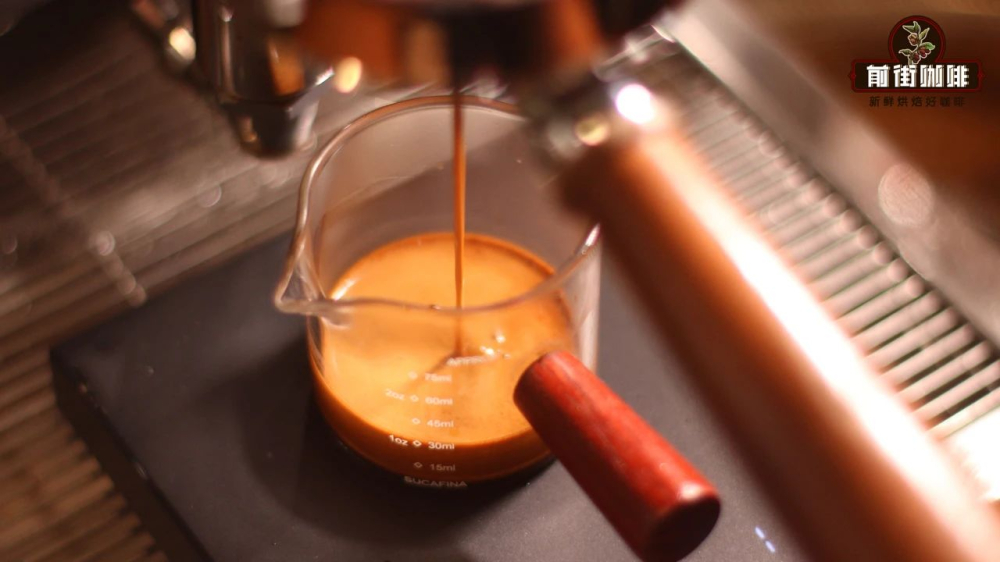
When starting the extraction, it is advised to observe whether the coffee liquid flows out at an even speed around 4 seconds after pressing the extraction button—the color should transition gradually from dark reddish-brown to light golden yellow. An ideal extraction result features the liquid dripping smoothly like honey, with a layer of fine, golden crema on the surface. This crema is formed by the emulsification of carbon dioxide and coffee oils under high pressure, and it is key to the flavor and mouthfeel of espresso.
If you want to replicate café-quality espresso at home, it is recommended to choose blends specifically designed for espresso. These blends typically combine beans from different origins, balanced through proportioning, and use medium to dark roasting to enhance body and crema performance. Espresso-friendly blends often feature notes of chocolate, nuts, and caramel, and are capable of producing rich and long-lasting crema, elevating your home coffee experience.
The above content is compiled by CoffeeHunters, a coffee news website.


