







Introduction:Jamaica Blue Mountain coffee is renowned for its balanced triad of flavors and delicate aroma, making it a premium choice among coffee enthusiasts worldwide. This article delves into the unique flavor sources of Blue Mountain coffee, how to identify authentic beans grown in the Blue Mountains, and provides professional pour over recommendations—including filter options, water temperature control, and grind size—practical parameters that help you brew a cup as close to the original Blue Mountain flavor as possible.
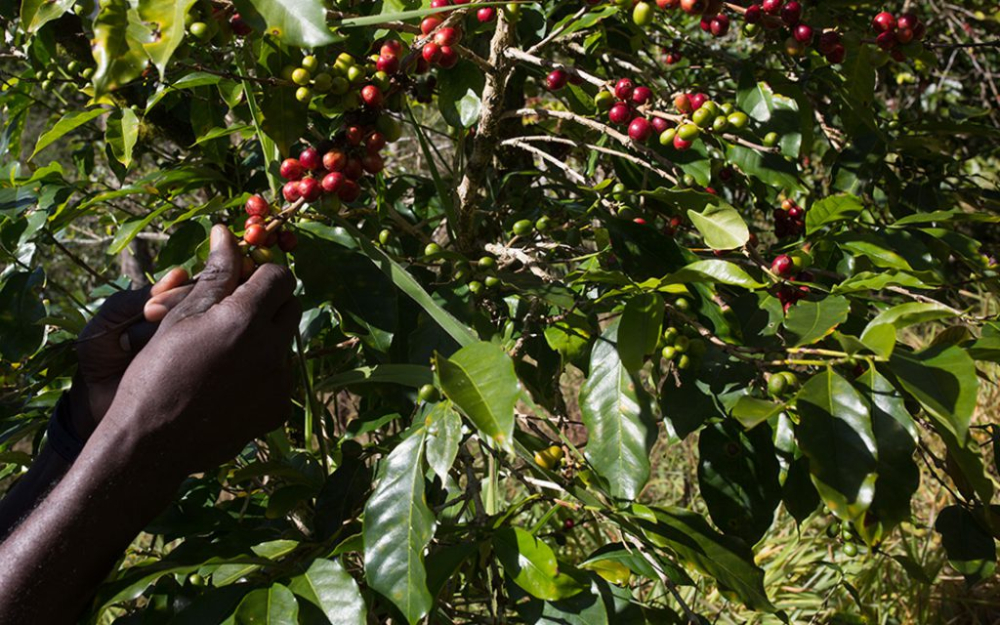
Jamaica Blue Mountain coffee is celebrated for its perfect balance of sweetness, acidity, and bitterness, featuring a delicate and layered flavor with almost no noticeable harshness, only a light and soft acidity. This coffee is grown at elevations between 910 and 1700 meters in the Blue Mountains of Jamaica, from the traditional Typica variety. Thanks to the region’s fertile volcanic soil, significant diurnal temperature variations caused by high altitude, and year-round humid, foggy climate, it develops a unique natural sweetness and richly aromatic profile.
 The reason Blue Mountain coffee is considered a premium in the coffee world is not only due to its superior genetic lineage but also closely tied to its growing environment. The Blue Mountains are located in the Caribbean, within one of the golden cultivation zones of the coffee belt. The air here is fresh and unpolluted, with annual rainfall reaching approximately 1980 mm and average temperatures stable around 27°C. Notably, the high-altitude diurnal temperature variation slows the ripening process of coffee cherries, aiding in the fuller accumulation of flavor compounds and sugars, resulting in Blue Mountain coffee’s distinctive smooth richness and delicate sweetness.
To enjoy genuine Blue Mountain coffee, identifying its authenticity is crucial. First, authentic Blue Mountain coffee beans come with an official export certificate or origin certification issued by the Jamaican government, which is the primary basis for determining if it is genuine. Additionally, according to Jamaican regulations, all Blue Mountain coffee must be exported in specially designated wooden barrels, typically holding 15 kg, 30 kg, or 70 kg. It is worth noting that only coffee grown at elevations above 910 meters qualifies as “Blue Mountain coffee”; products grown below this altitude, even if of good quality, can only be classified as “Jamaica High Mountain coffee” or “Jamaica Prime coffee.”
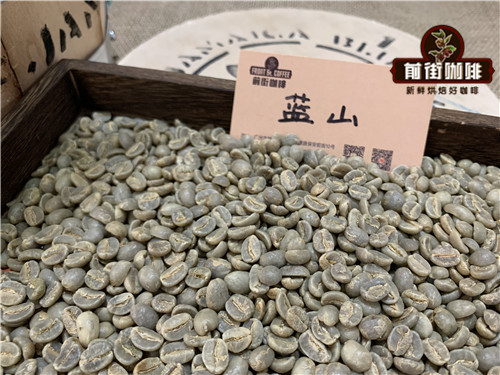
 In the market, many products labeled as “Blue Mountain flavor,” “Blue Mountain blends,” or those sold at unusually low prices are mostly not authentic beans from the Blue Mountains. Generally speaking, pure Jamaica Blue Mountain No. 1 coffee beans are priced at over a hundred yuan per 100 grams. Though the price is relatively high, the quality and flavor are absolutely worthwhile. When purchasing, it is recommended to choose products with proper certifications and export documentation to ensure you’re getting truly top-tier coffee from the Blue Mountains.
Among the various Blue Mountain coffee producing regions, Clifton Mount Estate is one of the oldest and most well-known plantations in the Blue Mountains, grown at an elevation of about 1310 meters. It is also the only Blue Mountain coffee plantation in Jamaica certified by the Rainforest Alliance. This certification indicates that the plantation meets international standards in environmental protection, social responsibility, and sustainable management. As a result, its export barrels are specially marked with a green frog certification logo, which consumers can use as an important reference when purchasing.
To fully showcase the delicate flavors of Blue Mountain coffee, pour over is one of the most recommended brewing methods. It is suggested to use freshly roasted coffee beans, ideally brewed within 5 days after roasting to achieve the best aroma and flavor complexity. Generally, Blue Mountain coffee is roasted to a medium-dark level, which helps retain moderate fruit acidity and delicate aromas while enhancing body and sweet aftertaste, resulting in a smoother and more layered overall taste.
 During the pour over process, the choice of filter also affects the final extraction. Many professional baristas recommend using the KONO filter, whose design allows the filter paper to adhere more tightly, with extraction mainly through immersion. Compared to filters like V60, it can effectively enhance the overall richness and body of the coffee. In addition, the KONO filter is also suitable for brewing other medium-dark roasted specialty beans, such as Brazil Queen Estate or Golden Mandheling.
Specific pour over parameter suggestions are as follows: use a medium-coarse grind (similar to coarse sugar, about 70% passing rate through a Chinese standard No. 20 sieve), with water temperature controlled at88 to 89 degrees Celsius. The brewing steps are recommended in three phases: first, pour 30 grams of water for a 30-second bloom; then proceed to the second phase, pouring up to about 125 grams and waiting for the coffee liquid level to drop; when the liquid level drops to about half, perform the final pour to reach a total water volume of225 grams. The overall extraction time is approximately2 minutes and 10 seconds, extracting the richest and most balanced flavor profile of Blue Mountain coffee.
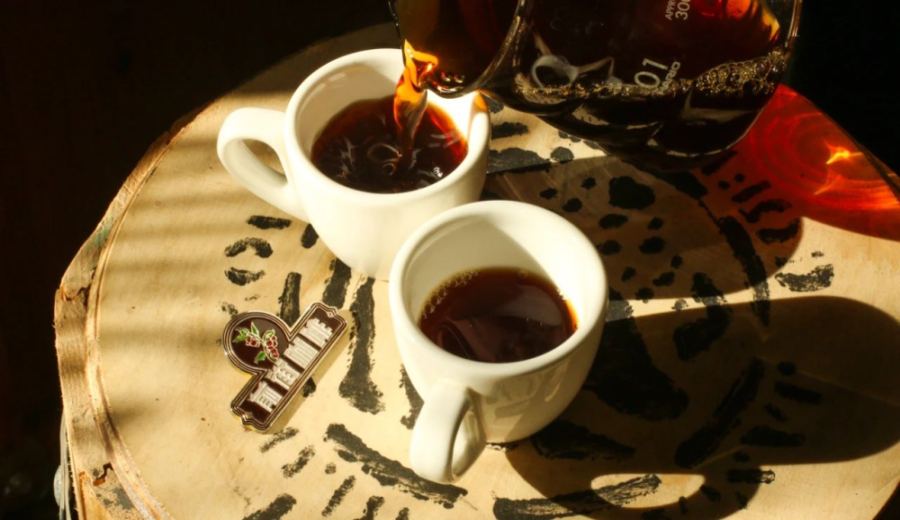
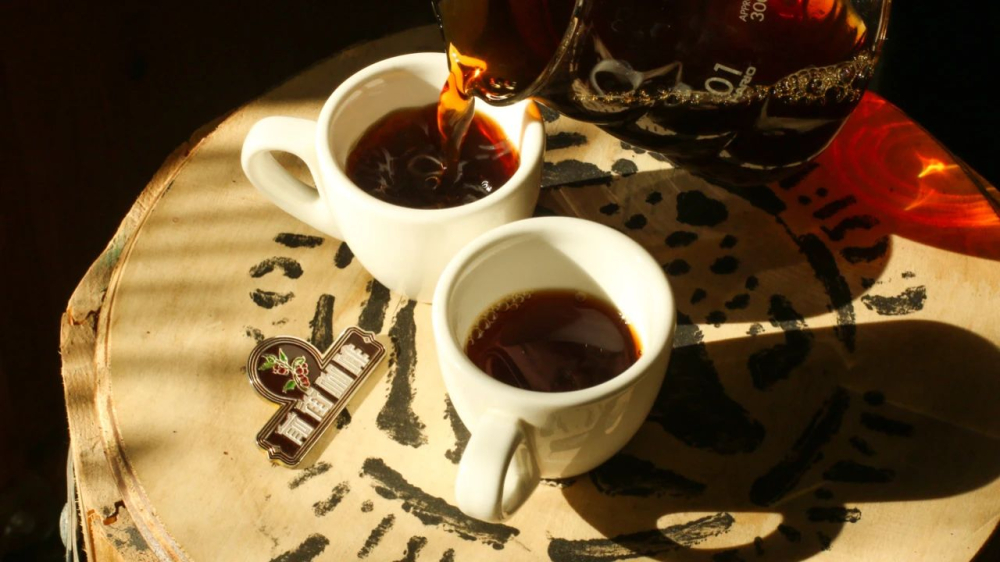
The brewed Blue Mountain coffee often features intense notes of dark chocolate and nuts, with a silky-smooth mouthfeel. The balance among acidity, sweetness, and bitterness is perfectly tuned, and the aftertaste is mild and long-lasting. Whether you’re a coffee novice or a seasoned connoisseur, you can experience the unique charm of Blue Mountain coffee.
The above content is compiled by CoffeeHunters, a coffee news website.


