







Introduction:Colombia is a major origin for specialty coffee globally, and its washed processing methods and diverse growing regions contribute to a rich flavor profile. This article systematically explains how to identify high-quality Colombian coffee beans, covering the distribution of major coffee-growing regions in Colombia, characteristics of washed processing, as well as green bean grading systems and export standards. Taking a washed bean from Huila Province as an example, it also provides pour over parameters and actual flavor performance under medium-dark roasting — a practical guide worthwhile for both beginners and advanced enthusiasts.
The reason Colombian coffee has secured a place in the global specialty market lies not only in its advantageous geographical environment but also in its rigorous regional management and diverse processing techniques. From the high-altitude planting zones of the Andes Mountains to emerging specialty regions like Huila Province in the south, this second-largest coffee-producing country in South America, with its stable production capacity and outstanding flavor consistency, has become a top choice for many coffee lovers.
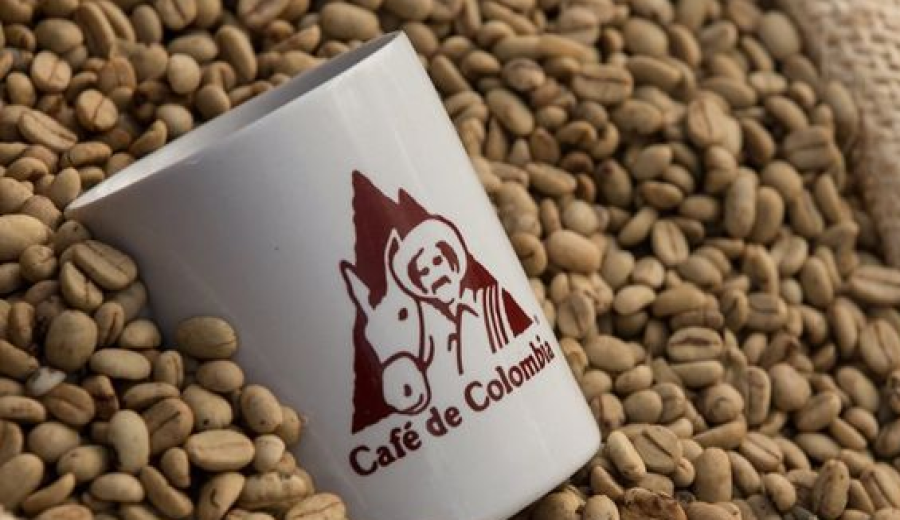
When it comes to Colombian coffee, many people immediately picture the iconic image of “Juan Valdez” — a man wearing a traditional hat and outfit, accompanied by a mule. This deeply ingrained brand symbol is not only a testament to successful marketing but also leaves people with a first impression of Colombian coffee as honest and reliable. In fact, Colombian coffee is indeed known for its stable quality and diverse flavors. Whether you prefer a rich body or bright acidity, you can find a preferred option among the coffees from this country.
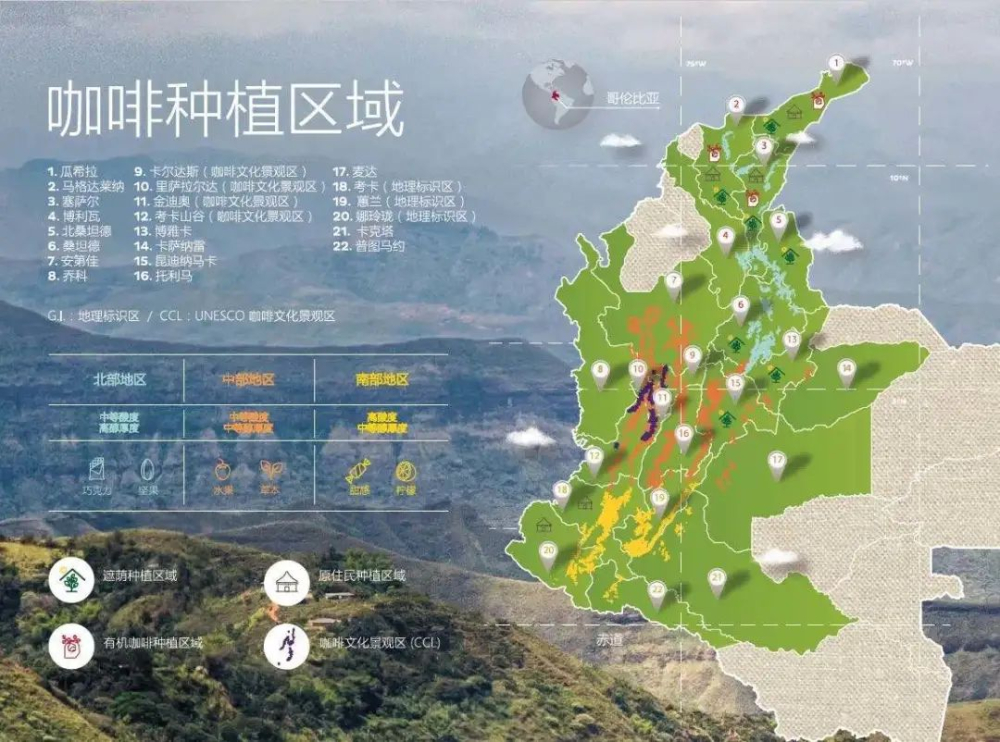
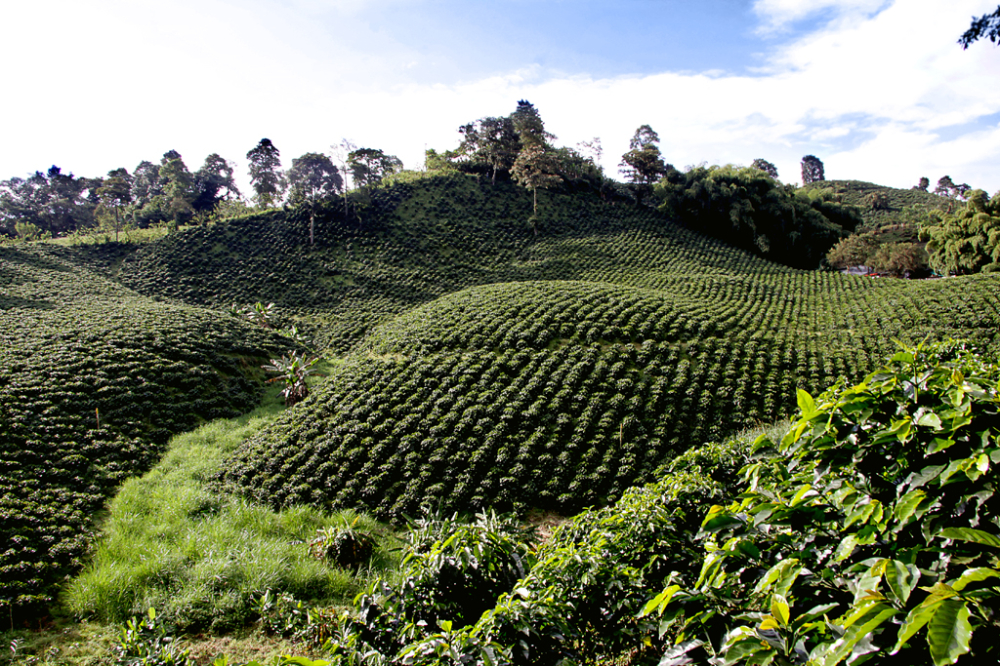
Coffee cultivation in Colombia is mainly concentrated along the Andes Mountains. The differences in terrain and altitude create a diversity of microclimates. The eastern plains and Pacific coastal areas have a tropical rainforest climate, while the central mountainous regions feature a subtropical climate, with an average altitude of about 1,000 to 2,000 meters and temperatures maintained around 18°C to 22.5°C — the ideal environment for growing Arabica beans. Due to variations in mountain orientation and latitude, the country’s coffee-growing regions can be roughly divided into three major blocks: northern, central, and southern. Each region has slightly different harvest seasons, ensuring that Colombia has fresh coffee beans available for harvest and export year-round.
In the past, the most representative coffee-growing region in Colombia was the “MAM” triangle in the central mountains, including Medellín, Armenia, and Manizales. However, with the rise of the specialty coffee trend, southern regions such as Huila, Cauca, Nariño, and Tolima have gradually emerged. These high-altitude regions, due to their cool climate and significant day-night temperature variations, produce coffee with complex acidity and delicate fruit notes, often achieving excellent results in international coffee competitions.
Among them, Huila Province is regarded as one of the core regions for specialty coffee in Colombia. Located in the southern section of the central mountain range in southern Colombia, its cultivation altitudes generally exceed 1,500 meters. With a cool and stable climate, fertile volcanic soil, and abundant water sources, it provides ideal growing conditions for Arabica coffee trees. The unique microclimate of the mountainous area not only slows down the ripening process of coffee cherries but also aids in the accumulation of flavor compounds, resulting in Huila coffee’s unique character — rich yet with a refreshing acidity.
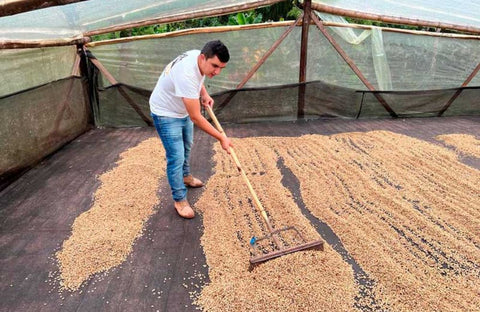
The most common processing method for Colombian coffee is traditional washed processing, which effectively highlights the coffee’s cleanliness and layered flavors. Locally, many small farms use their own small-scale processing equipment, such as Ecomill or Eco-Pulper. These machines can remove the skin and pulp while using minimal water to wash away most of the mucilage. Then, the parchment beans with a small amount of mucilage are placed in small cement or tile tanks for overnight fermentation, allowing residual mucilage to break down naturally. The next day, they are thoroughly rinsed with clean water and finally spread out in the sun to dry until the desired moisture content is reached. This refined washed process not only helps improve coffee quality but also allows Huila washed beans to showcase the purest terroir flavors.
Colombia’s green bean grading system is primarily based on bean size. Although bean size is not the sole determinant of flavor, larger and more uniform beans usually indicate riper fruit, contributing to uniformity during roasting and better flavor expression. Grading uses fixed-mesh sieves, where a higher sieve number indicates larger beans passing through. Common export grades include UGQ, EP, and Supremo.
Among them, Excelso UGQ 12*60 (1.5%) means the beans must be above 14 mesh, allowing up to 1.5% of beans between 12 and 14 mesh, but overall more than 50% must be larger than 15 mesh; Excelso EP 12*60 (10%) requires that most beans be above 15 mesh, allowing only 10% below this standard, but not less than 14 mesh; and Excelso Supremo 12*60 (5%) is even stricter, requiring most beans to be above 17 mesh, allowing only 5% below this specification. It’s worth noting that as long as Colombian green beans meet export standards, the sacks will be labeled “Excelso,” which is currently the main export grade of FNC (Colombian Coffee Growers Federation).
In addition to the above grades, Colombia has other classifications, such as Extra for beans above 16 mesh, Premium for those above 18 mesh, and the Minama grade for beans that are nearly uniformly 15 mesh. Beans that do not meet the Excelso standard are typically classified as “Product of Colombia,” mostly used for commercial-grade instant coffee production. Moreover, Colombian green beans are detailed with export labeling including region, grade, and processing method — for example, “Colombia Huila Supremo SC17/18 FNC.” Through this naming system, consumers can clearly understand the origin and quality characteristics of the beans.
Taking Huila washed beans as an example, this everyday-drinking bean, when medium-dark roasted, exhibits typical nutty and chocolatey tones while retaining moderate acidity and sweetness — perfect for daily consumption and pour over experiences. To fully bring out its flavor potential, the following pour over parameters are recommended: use a KONO filter, control water temperature at 88°C, set the powder-to-water ratio at 1:15, use approximately 15 grams of coffee powder, and grind to EK43s setting 10.5 (about 75% passing rate through a 20-mesh sieve). This setup balances extraction efficiency and flavor clarity.
For specific operation: first, place the coffee powder into the filter, pour about twice the amount of hot water to bloom for 30 seconds, helping the coffee layer expand and release aroma; then pour water in small streams in a circular motion from the inside out. When total water volume reaches 125 grams, perform the first pour break. Once the coffee bed drops to the middle of the filter, pour the second pour with the same fine stream up to 225 grams. Finally, wait for the filter to fully drip through, with the entire extraction time lasting about 2 minutes. This method avoids the over-extraction bitterness from medium-dark roasts while highlighting the coffee’s inherent richness and sweetness.
Once brewed, the Huila washed beans deliver an immediate experience of distinct chocolate, nut, and caramel aromas. The mouthfeel is smooth with moderate body, and the overall flavor line is clean and refreshing. As the temperature cools, softer layers of fruit acidity emerge, adding complexity and aftertaste to the overall flavor. It is a classic Colombian coffee bean that combines stability with expressive flavor.
The above content is compiled by CoffeeHunters, a coffee news website.


