







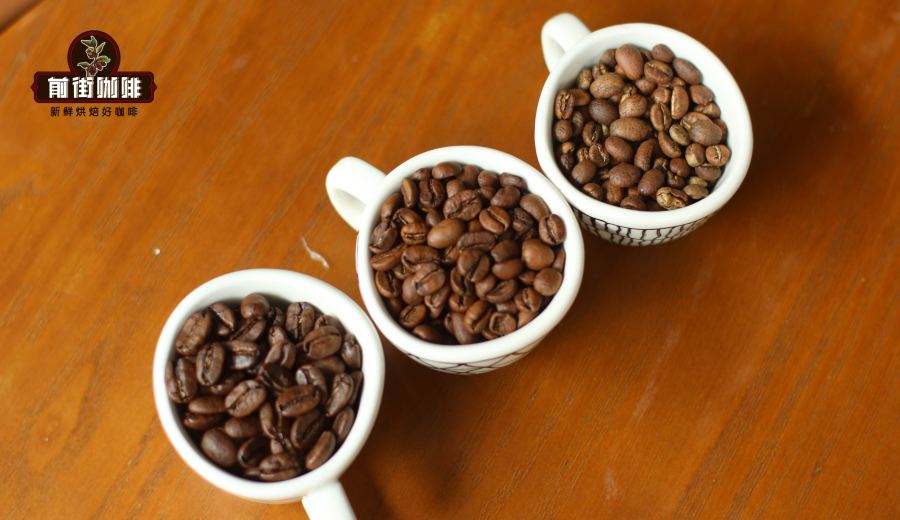
Introduction:Delve into the magical transformation of coffee beans from green to roasted, master the characteristics and differences of eight mainstream roast levels, and analyze the five key stages of the roasting process. This article not only provides precise Agtron color value references and optimal drop timing, but also supplements practical roasting tips and common flavor misconceptions. It helps coffee enthusiasts build a systematic understanding of roasting—from flavor and color to processing methods—so you can choose the right beans whether for pour over or espresso.
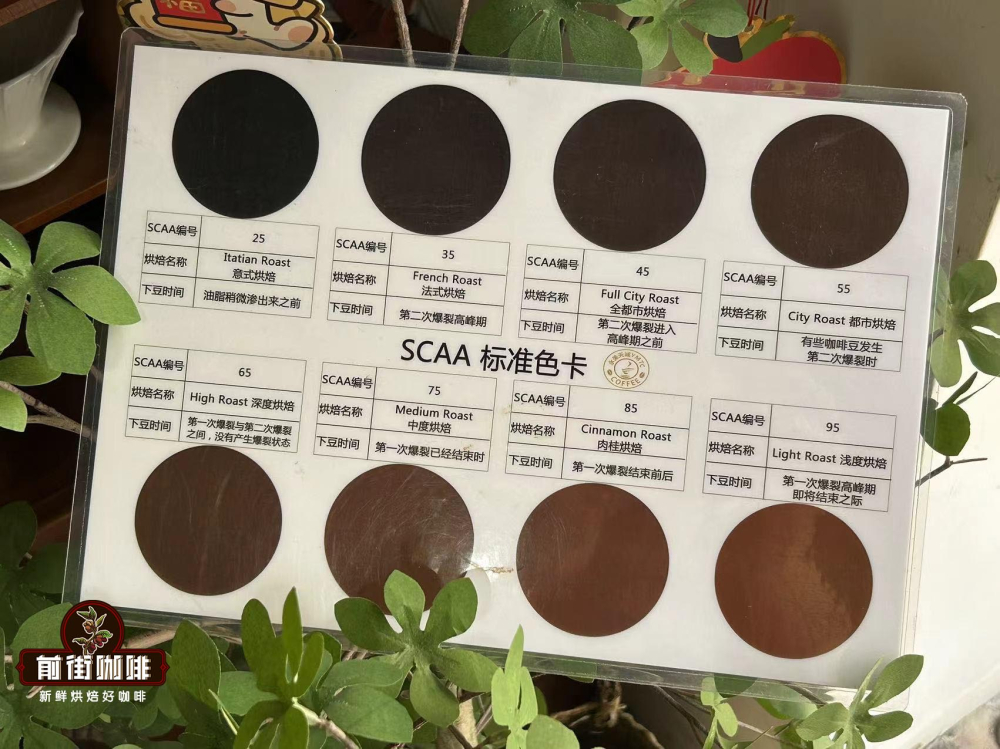
The charm of coffee beans lies in their transformation from pale green raw beans to various shades of roasted beans, and the key lies in the roasting process. By controlling heating time and temperature, not only is the color of the beans altered, but the final flavor profile is directly influenced. In the professional field, the Specialty Coffee Association of America (SCAA) has established a set of standard roast color charts, dividing roast levels into eight grades—from light to very dark roast—each with its unique aromas, acid-sweet balance, and suitable brewing methods.
These eight roast levels range from an Agtron value of 95 for very light roast, all the way to 25 for very dark roast, and are applicable to various brewing styles, including pour over, French press, and even dark roasts specifically designed for espresso. In addition, styles such as Nordic very light roast and Japanese very dark roast have emerged in recent years, offering more nuanced taste experiences.
The SCAA’s roast classification system is based on Agtron color values—the higher the number, the lighter the roast. For example, Agtron 95 falls under “Light Roast,” typically dropped during the first crack’s vigorous stage, when the beans are still in the midst of continuous popping. These beans exhibit pronounced acidity and a fresh flavor, but if the development time is insufficient, they may carry grassy or underdeveloped off-notes.
Roasting further to Agtron 85 is called “Cinnamon Roast,” usually dropped just as the first crack is ending or has just ended. At this stage, the coffee’s acidic brightness still dominates, but sweetness begins to emerge, with a finish reminiscent of the clean sweetness of cane sugar or honey. It suits drinkers who enjoy a bright acidity and a mildly sweet aftertaste.
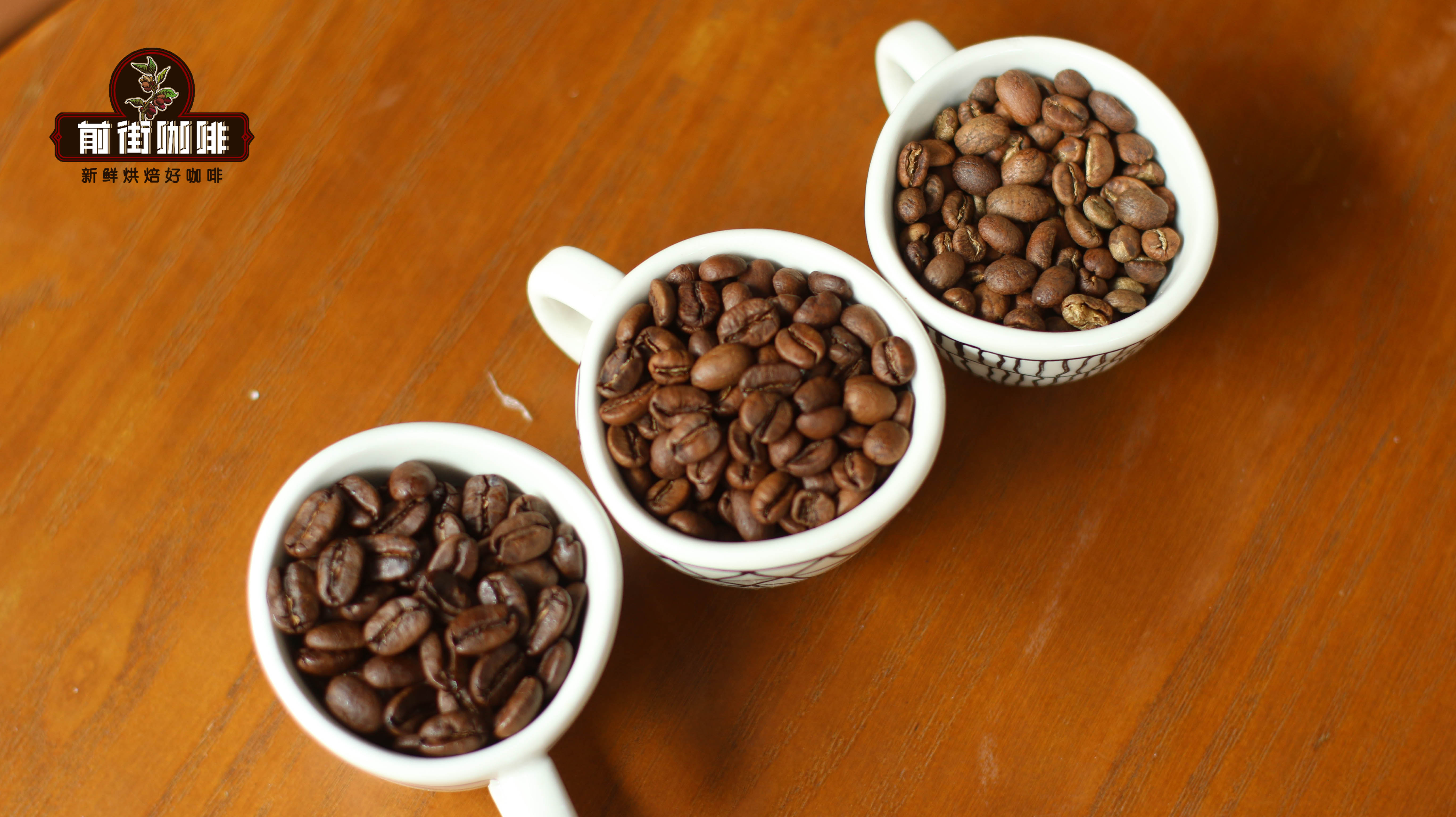
When roasted to Agtron 75, known as “Medium Roast,” it is typically dropped after the first crack has fully ended. At this stage, the coffee emphasizes sweetness, paired with some fruity acidity, and the finish often carries notes of caramel or roasted sweet potato. It is ideal for highlighting the layered characteristics of the coffee itself and is commonly used for single-origin beans, such as those from Ethiopia.
Moving into Agtron 65, “High Roast” occurs around the stillness period between the end of the first crack and the start of the second crack, lasting about one to two minutes. This roast enhances nutty and caramel tones, with acidity almost disappearing, resulting in a full-bodied and well-structured cup. It is a great choice for those who enjoy a rich flavor without excessive bitterness.
Agtron 55, “City Roast,” is dropped just as the second crack begins, when faint popping sounds can be heard. The flavor becomes more intense, with heightened caramel notes, and the overall profile resembles the richness of unsweetened dark chocolate. It suits coffee lovers who prefer a slightly stronger taste while still retaining layers.
Going deeper to Agtron 45, “Full City Roast” is usually dropped just before the second crack becomes intense. At this point, the beans are in a deeper roast range, with bitterness and roasted aromas becoming more pronounced. If both the bean surface and core are evenly developed, using a coarse grind and lower water temperature can bring out a syrupy mouthfeel, with a pleasant sweetness following the bitterness.
When entering Agtron 35, “French Roast,” the drop occurs around the intense phase of the second crack, when deeper, duller popping sounds are heard. The bean surface begins to show oil sheen, and the flavor becomes extremely intense, suitable for those who prefer bold flavors or are crafting specific espresso styles.
The deepest level, Agtron 25, “Italian Roast,” is dropped at the end of the second crack. By this point, the beans have a shiny black appearance with visible surface oils. It is primarily used for making espresso and is generally paired with milk or sugar to balance its strong flavor. This roast level is rare outside of Southeast Asia and represents the extreme end of dark roasting.
In addition to these eight standard levels, emerging styles such as “Nordic very light roast” and “Japanese very dark roast” have appeared in recent years. Nordic light roasting emphasizes preserving the beans’ original floral and acidic qualities, with Agtron values around 85 to 90. Originating from Norway, Denmark, and Sweden, these roasts offer a refreshing flavor but come with a higher extraction threshold, often resulting in underdevelopment or sour astringency. They are considered a more niche roast type.
In contrast, Japanese very dark roasting takes the opposite approach, going further than typical dark roasts, with beans appearing glossy and nearly carbonized, and Agtron values between 25 and 30. These coffees exhibit noticeable expansion and degassing during extraction, with flavors dominated by intense bitterness and richness, suiting those who enjoy a strongly stimulating taste.
In practical applications, many coffee shops do not directly use the full SCAA numbering system but simplify roast levels into broader categories—such as light, light-medium, medium, medium-dark, and dark—based on consumer understanding, making it easier for customers to choose beans that suit their taste preferences.
Regardless of the chosen roast level, five key stages must be experienced: drying, dehydration, first crack, second crack, and finally, dropping. First is the drying stage, where internal moisture in the green beans begins to evaporate upon heating. Around 135°C, the beans turn from green to light and gradually become whitish. This is followed by the dehydration stage, where the beans turn light yellow and, around 160°C, emit grassy or grainy aromas, eventually turning light brown.
The highlight is the first crack stage, which occurs around 190°C. The beans pop due to internal pressure release, initiating caramelization reactions that bring out sweetness and deeper coloration. The first crack lasts about a minute. This is then followed by the second crack, a more intense internal reaction where the beans expand to about 1.5 times their volume, develop an oily surface, lose approximately 12% to 20% of their weight, and mark the critical drop timing for many dark roasts.
Finally, roasting is typically stopped about one minute after the end of the second crack, around 230°C, which falls within the deep roast range of French or Italian roast. Heating beyond 230°C may cause the beans to burn, affecting flavor and quality.
It’s worth noting that even if the bean surface color meets the standard, under-roasted interiors may still result in undesirable flavors such as grassiness or rawness. Therefore, it is recommended to use low to medium heat for slow roasting and ensure even heat distribution, paying special attention to rotation speed control: flat beans should be rotated at 60 to 65 revolutions per minute, while peaberries require reduced speed to avoid outer-roasted, inner-raw results. For home roasting, a drum-style tool can be chosen to ensure even heating.
The above content is compiled by CoffeeHunters, a coffee news website.


