







Introduction:As a top-tier coffee representative from Sumatra, Indonesia, Golden Mandheling has garnered significant attention for its rich herbal profile and unique processing method. This article delves into its regional background, details of the wet-hulling process, and explores its price range, physical characteristics, and flavor profile. It also provides practical pour over parameters to help coffee enthusiasts comprehensively grasp the essential knowledge from bean selection to brewing.
When it comes to Indonesian coffee, Mandheling is undoubtedly the most iconic variety, and the carefully selected Golden Mandheling is a classic in the hearts of many coffee aficionados. These coffee beans originate from the Gayo Highlands of Aceh, Sumatra, grown at elevations between 1100 and 1600 meters. The variety is Ateng, graded as G1 and subjected to three rigorous hand-pickings. Combined with the unique wet-hulling process, it achieves a truly distinctive flavor expression. Many first-time tasters of a certain brand’s Golden Mandheling are often impressed by its herbal aroma and full-bodied taste, while also being curious about its pricing positioning and the story behind its processing method.
The wet-hulling process, locally known in Indonesia as Giling Basah, is a distinctive technique that differs significantly from washed and natural processes, and is sometimes regarded as a variation of semi-washed processing. Its most notable feature is that the parchment layer is removed before the coffee beans are fully dried, which is markedly different from the washed method where the parchment is retained until after drying is complete. Due to Indonesia’s perpetually humid and rainy climate, prolonged sun drying is impractical. The wet-hulling method not only adapts better to the local environment but also unexpectedly imparts a rich, bold flavor profile with unique spicy and herbal notes.
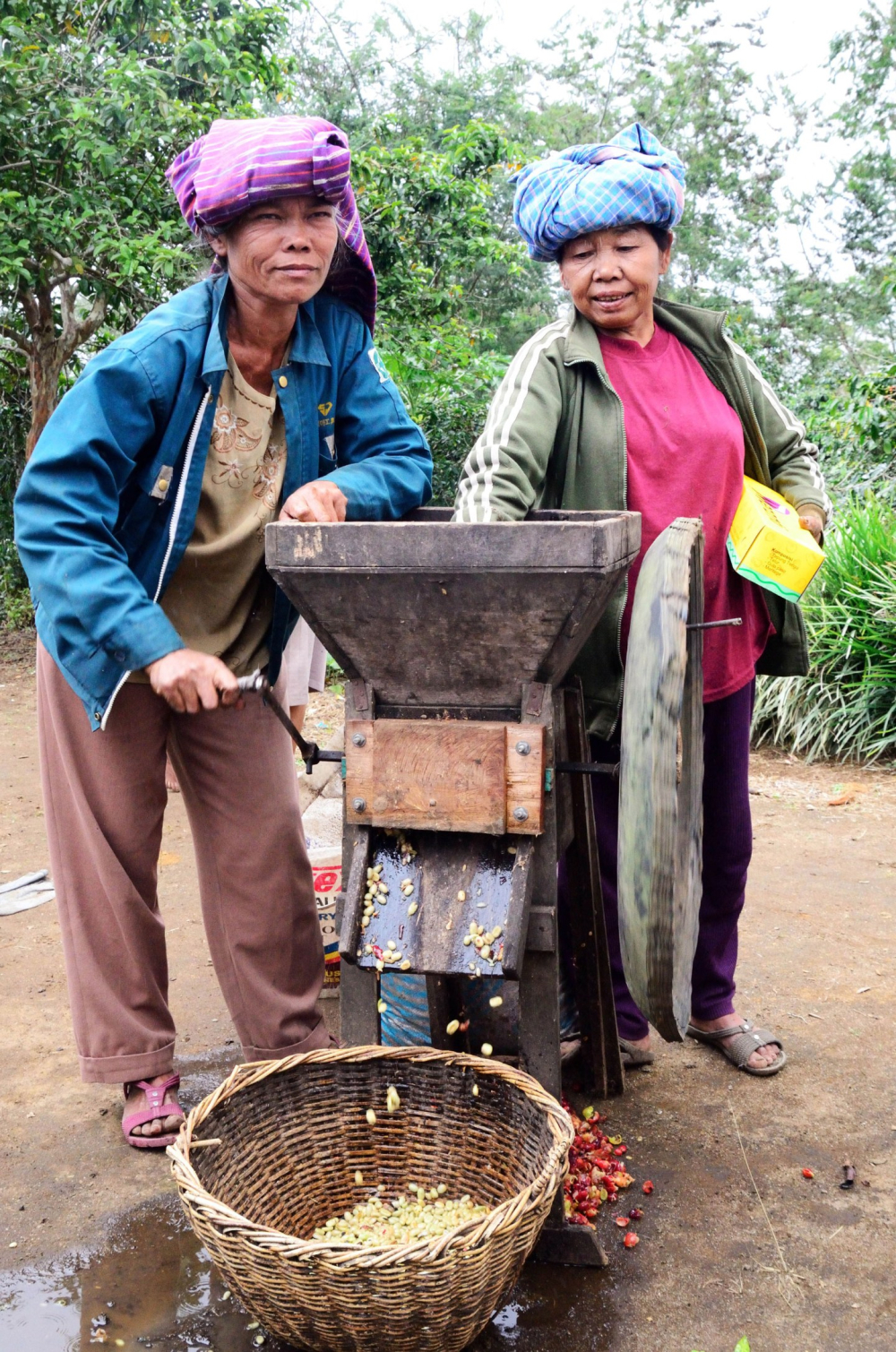
The specific steps of the wet-hulling process can be divided into seven main stages: First, the freshly picked coffee cherries undergo immediate depulping and initial pulping to remove the skin and some of the fruit pulp. Next, the beans, still coated with residual mucilage, are soaked in water for about one to two hours to further remove more mucilage through friction. The preliminarily processed beans are then dried for the first time at the farmers’ homes, reducing the moisture content to approximately 20% to 35%. Subsequently, these beans, still sticky with mucilage, are taken to market for trade and then centralized at processing facilities for a second drying phase, during which the moisture content is further reduced to around 18%. The critical wet-hulling step occurs after the second drying: the beans, not yet fully dry, are sent to a hulling machine to remove the mucilage and parchment layer. At this stage, the beans often develop cracks resembling “hoof marks” on their surface due to mechanical pressure—an inherent characteristic of wet-hulled beans and not a defect. Finally, the beans undergo a final drying phase to reduce the moisture content to about 11%, after which they are bagged and stored, ready for export.
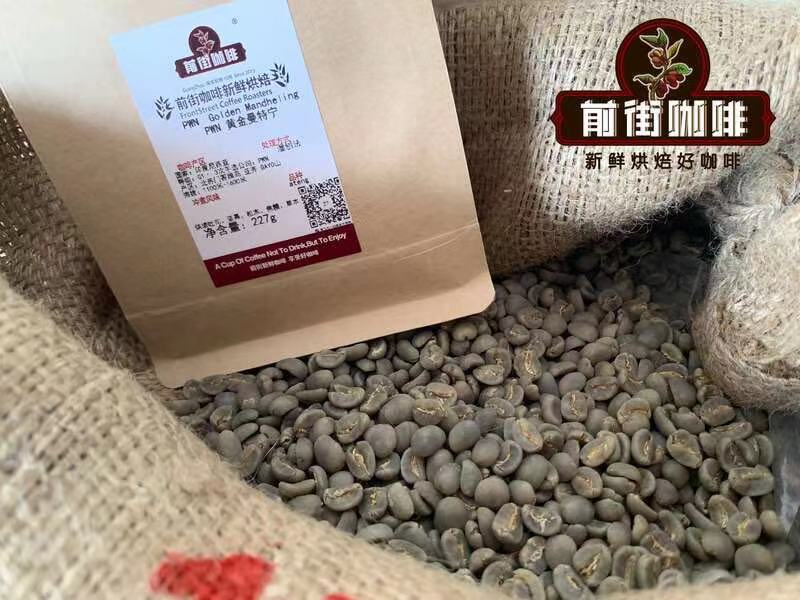
The wet-hulling process bestows Golden Mandheling with a series of unique flavor traits. Experts note that this method results in a coffee experience characterized by low acidity, a full body, and herbal and spicy notes, distinctly setting it apart from typical washed or natural beans. However, due to the greater number of environmental variables during processing, there can occasionally be fluctuations in quality consistency. Nevertheless, top-grade G1 Golden Mandheling that has undergone multiple hand-pickings can still exhibit exceptional balance and complexity. For coffee enthusiasts keen to explore different processing methods and flavor profiles, Golden Mandheling serves not only as an entry point to understanding Indonesian coffee but also as a classic choice worthy of deeper exploration when brewing via pour over or filtration methods.
The above content is compiled by CoffeeHunters, a coffee news website.


