







Introduction:The French press is often the first choice for many coffee beginners looking to explore brewing methods beyond pour over. It’s intuitive to use, forgiving in technique, and showcases the rich, full-bodied essence of coffee. This article delves into the immersion brewing principles of the French press, compares its flavor profile with that of pour over coffee, and uses Costa Rica Musician Series Mozart beans as an example to provide practical parameters including coffee dosage, grind size, water temperature, and steeping time—helping you master the essentials of this classic brewing tool.
For those just entering the world of coffee and not yet skilled in pour over techniques, the French press is undoubtedly one of the most beginner-friendly options. This simple brewing device, originating in the mid-19th century, has won the hearts of coffee enthusiasts worldwide with its stable extraction performance and bold flavor. This article will start with the historical background of the French press, explore its immersion extraction mechanism in depth, compare its flavor presentation with that of pour over coffee, and use the Mozart beans from Costa Rica’s Musician Series as a practical example. We’ll break down key parameters such as coffee-to-water ratio, grind size, water temperature, and steeping time to help you get started easily and brew satisfying coffee.
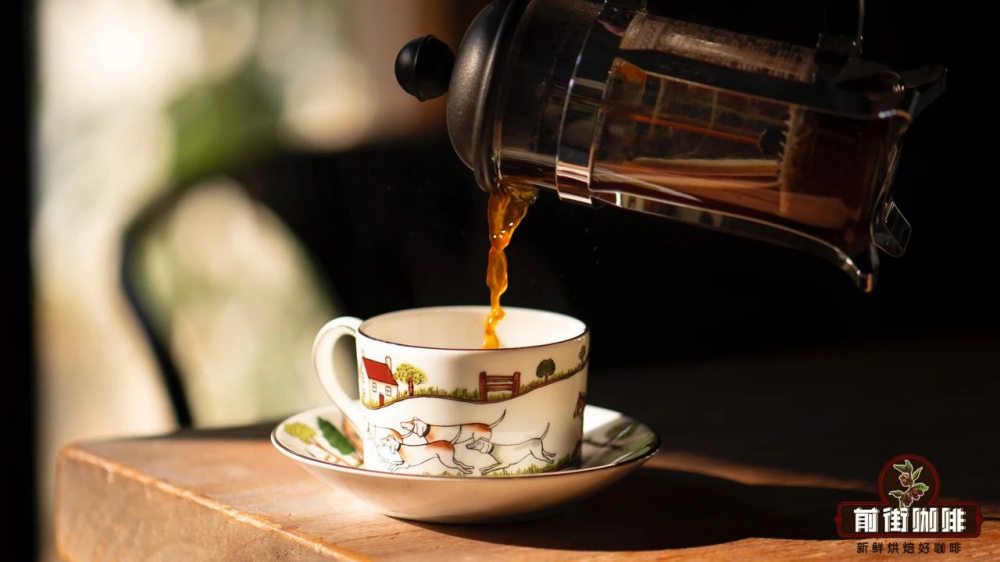
The French press, also known as a French filter press, was first created around 1850 in France, originally as a tool for brewing tea. Its basic structure is quite simple, consisting mainly of a heat-resistant glass carafe and a metal filter mesh paired with a plunger. Later, some users tried adding coffee grounds to brew, and unexpectedly discovered that the resulting coffee had a richer and more full-bodied flavor. Since then, the French press has gradually become a common brewing tool for coffee. Notably, by reducing the pore size of the metal filter, more fine particles can be filtered out, further enhancing the drinking experience and contributing to the French press’s popularity among coffee lovers.
The brewing principle of the French press is a classic example of immersion extraction. Within a fixed volume of hot water, coffee grounds evenly release various flavor compounds, and the most critical variable is time. The longer the steeping time, the more soluble substances are extracted from the coffee grounds, and the flavor becomes increasingly intense. However, this “longer time” is not without limits; the generally recommended steeping time is 4 minutes, and should not exceed 6 minutes. As for water temperature, the optimal range is between 88°C and 91°C, paired with medium-coarse ground coffee. This ensures sufficient extraction while avoiding over-extraction or excessive release of impurities. Additionally, since most French presses are made of glass, their insulation is limited, so the water temperature will gradually decrease during brewing, which can affect the final extraction results. It’s advisable to maintain a stable ambient temperature during the brewing process.
Many readers may worry that prolonged steeping will lead to the release of undesirable flavors. In fact, that’s not the case. As long as the time is controlled around 4 minutes and appropriate grind size and water temperature are used, over-extraction won’t occur. Once steeping is complete, simply press the filter gently and pour the coffee into your cup to enjoy—a simple yet precise process.
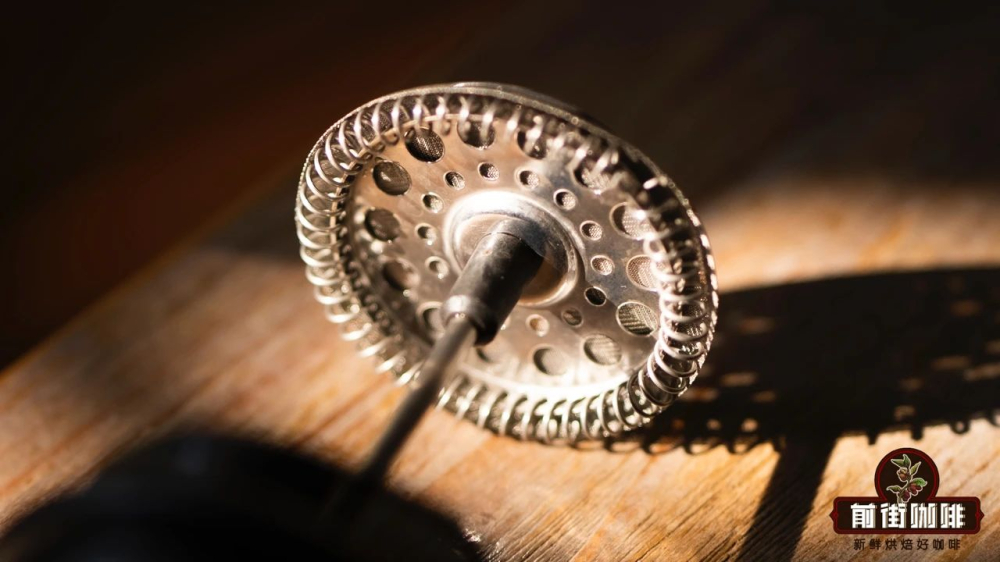
Compared to drip-style pour over coffee, coffee brewed with a French press tends to have a richer and fuller mouthfeel. This is mainly because the larger pores of the metal filter retain the natural oils in the coffee, often resulting in a thin layer of glossy oil on the surface, which adds smoothness and a richer texture. In contrast, pour over coffee uses high-density paper filters that remove most of the coffee oils and fine particles, resulting in a cleaner and crisper taste, but often slightly less bold in flavor. Moreover, due to the immersion nature of the French press, it’s inevitable that some fine coffee particles will end up in the drink, and encountering a bit of sediment is normal—you might want to let it sit for a moment before drinking.
Beyond mouthfeel differences, the French press also offers a more “true to origin” flavor profile. Its immersion extraction method is similar to professional cupping, minimizing the impact of human operation on flavor and allowing the intrinsic characteristics of the coffee beans to shine through. During the French press brewing process, the main factors influencing flavor are just three: grind size, water temperature, and steeping time. Compared to pour over coffee, where variables like pouring technique and filter design come into play, the French press is more straightforward and easier to control.
In practice, we’ll use the Mozart beans from Costa Rica’s Musician Series as an example. These beans are known for their dried fruit fermentation notes, prominent white floral aromas, and balanced acidity and sweetness—making them perfect for experiencing the charm of French press brewing. Recommended practical parameters are: 15 grams of coffee, a 1:15 coffee-to-water ratio, using medium-coarse grind (approximately 68% passing through a standard 20-mesh sieve), water temperature controlled at 90°C, and a steeping time set to 4 minutes. For specific steps: first, preheat the French press with warm water to help maintain temperature stability during extraction; then add the ground coffee to the pot and pour about 225 ml of hot water. It’s recommended to pour with a relatively fast flow rate within 3 seconds to promote even agitation of the coffee grounds and improve extraction efficiency. After pouring, gently lift the filter, cover with the lid, and let it steep for 4 minutes. When time is up, gently press the filter down to about one-quarter of the way from the bottom of the pot to avoid pushing up fine particles from the bottom, then pour the coffee into your cup and enjoy.
The Mozart coffee brewed with the above parameters delivers an impressive flavor profile. The first thing that hits you is a rich aroma of raisin fermentation, followed by a bright berry juice sensation on the palate, accompanied by the fragrance of orange blossoms. The interplay of acidity and sweetness features a vibrant note reminiscent of pineapple, resulting in a well-balanced and layered cup—perfect for coffee lovers who enjoy fruity and fermented flavor profiles.
The above content is compiled by CoffeeHunters, a coffee news website.


