








Introduction:Espresso is renowned for its intense flavor and serves as the foundation for many coffee beverages. This article delves into how to appreciate a high-quality espresso by examining its crema appearance, aroma, and taste, while also analyzing the regional characteristics and roasting strategies of common blends—including the use of Colombian Huila, Brazilian Cerrado, and Robusta beans—to help readers grasp key knowledge in bean selection and tasting.
Espresso is often regarded as the essence of coffee, not only concentrating the most original flavors of the bean but also serving as an important benchmark for evaluating coffee quality and the roaster’s skill. Many first-timers may be intimidated by its strong flavor, but once accustomed, they can appreciate its profound layers and delicate balance. This article will guide you in appreciating espresso from multiple perspectives—observing the golden crema on the surface, smelling the aroma, savoring the taste, and understanding the impact of different brewing methods—while also exploring blend choices and the flavor logic behind them.
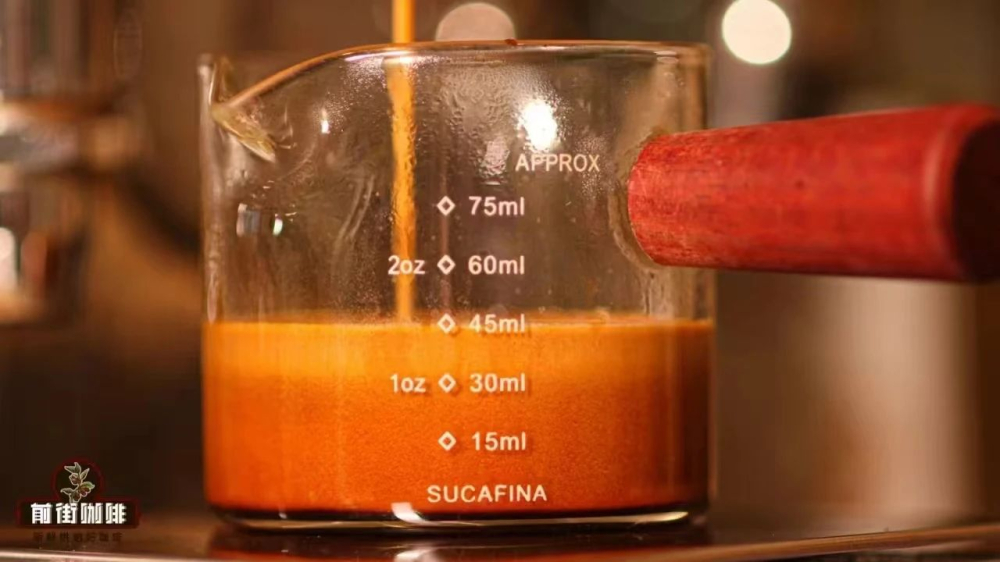
A freshly extracted espresso will have a fine, golden layer of oils on its surface—this is crema. The formation of this crema relies heavily on the high pressure applied during extraction—approximately 9 bars of pressure forces hot water through tightly packed coffee grounds, extracting water-soluble compounds along with the coffee’s natural oils and carbon dioxide, which then emulsify under high pressure. Additionally, freshly roasted coffee beans, rich in carbon dioxide, further promote the creation and stability of crema during high-pressure extraction.

How do you properly appreciate a shot of espresso? It’s recommended to approach it from three aspects: First is the aroma, the first step in engaging the senses. A freshly poured shot often emits aromas common to dark roasts, such as caramel and nuts. If the roast is lighter, it may also carry subtle fruity acidity or floral notes. The second step is observation, particularly paying attention to the color, texture, and thickness of the crema. Good crema typically appears amber-gold to dark brown, fine and lingering on the liquid’s surface—often an indicator of high freshness and proper extraction. Lastly, there’s the mouthfeel experience. It’s advised to cleanse your palate with a sip of ice water before taking a small sip of espresso, carefully savoring its thick texture, oily mouthfeel, and layered flavors—such as the sweetness of caramel, the aftertaste of nuts, and even a slight balanced acidity.
For first-time tasters who find espresso too intense, adjusting the way you drink it can help. For example, adding a small amount of hot milk can soften the flavor, reduce bitterness, and make caramel and chocolate notes more pronounced—this is also how many people take their first step toward drinks like lattes or cappuccinos. If you prefer something lighter, adding a bit of cold water to dilute is also an option, though be aware that this may affect the espresso’s inherent concentrated characteristics and flavor intensity. Regardless of the method, it’s best to first become familiar with pure espresso before gradually exploring variations.
Behind a high-quality espresso lies the crucial choice of blend. Taking a common specialty blend as an example, its goal is often to present a stable profile of nuts and cocoa as the main notes, while maintaining a moderate level of acidity and sweetness for support. For instance, coffee beans from Colombia’s Huila region—grown at altitudes mostly between 1500 and 1800 meters, predominantly of the Bourbon and Caturra varieties, and processed using the washed method—are dense and plump, featuring aromatic notes of nuts, chocolate, and caramel. They possess bright acidity and balanced sweetness, making them an excellent backbone for blends, providing structure and complexity.
Another common origin is Brazil’s Cerrado region, where beans are grown at altitudes of about 1000 to 1300 meters. The bean density is relatively lower, with the Bourbon variety being most common, and the beans are often processed via honey or semi-washed methods. Due to the softer bean texture, care must be taken during roasting to avoid over-roasting. Medium heat roasting, with a slightly extended caramelization phase after the first crack, can bring out flavors of milk chocolate, nuts, and a pleasant balance of sweet and bitter, ultimately resulting in a smooth, low-acid, and full-bodied profile. This makes it an ideal choice in many blends to balance taste and add body.
When it comes to commercial blends, Robusta beans often play a key role. Compared to Arabica, Robusta is more disease-resistant and higher-yielding. Although its flavor often carries woody notes and lacks prominent acidity, its high caffeine and chlorogenic acid content give it a strong bitterness and deep oils. These beans are commonly used in commercial blends to significantly enhance the crema performance and overall body of espresso, delivering classic caramel sweetness and dark chocolate flavors, while maintaining a certain balance of bitterness and a long-lasting aftertaste. They serve as an important base for many Italian-style shops to ensure consistent output.

The above content is compiled by CoffeeHunters, a coffee news website.


