







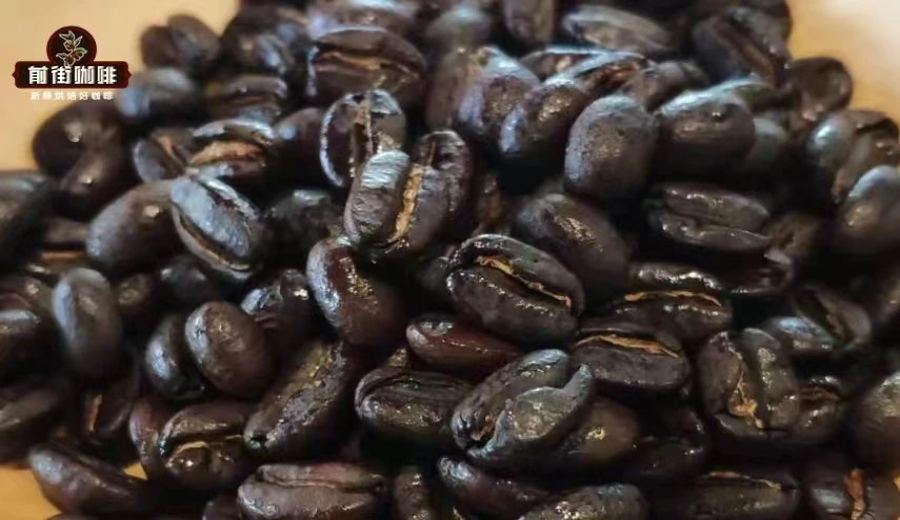
Introduction:Adding sugar to coffee isn’t just about reducing bitterness—it can also enrich the flavor profile. But with common choices like white sugar, brown sugar, and caramel, do you know which type suits which kind of coffee best? This article delves into the characteristics, sourcing differences, and optimal pairings of these three sugars, helping you choose the sweetener that best matches your brewing method and flavor preferences to elevate your overall coffee experience.
Many people have the habit of adding a bit of sugar when enjoying coffee—not only to balance the bitterness but also to make the taste smoother and rounder. However, the choice of sugar is actually quite nuanced. Different types of sugar vary not only in sweetness but also in how they affect the overall aroma and flavor of the coffee. In cafés, white sugar, brown sugar, and caramel are among the most commonly seen options. Each type, due to differences in processing and composition, reacts chemically with coffee in distinct ways.
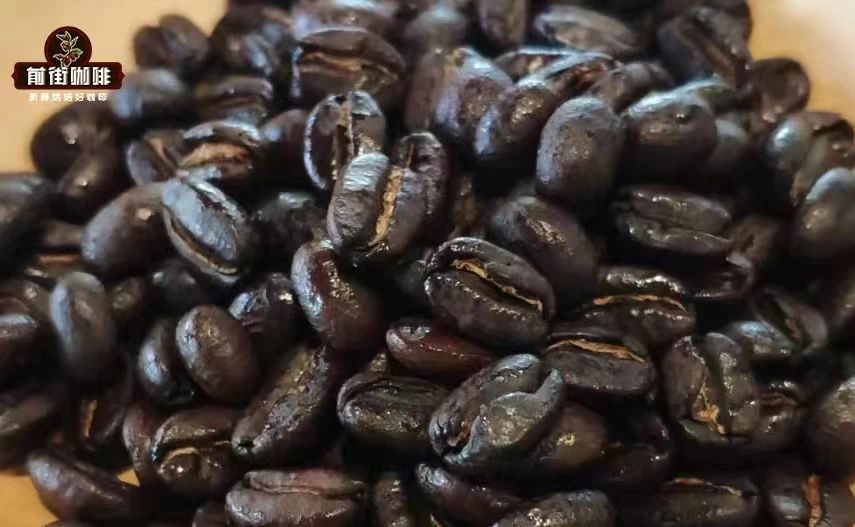
For most people, the primary reason for adding sugar is to “cut the bitterness,” especially in the past when coffee was often roasted dark and prone to sharp, burnt bitterness. Sugar did indeed help soften the taste. However, modern specialty coffee has seen significant advancements in roasting and extraction techniques, greatly reducing bitterness. Still, many people retain the habit of adding sugar. In truth, sugar not only reduces bitterness but can also enhance the body and smoothness of coffee, making the overall flavor more balanced and complex.
Faced with the wide variety of sugars available on the market, you might wonder: which one is the best for adding to coffee? Actually, there’s no one-size-fits-all answer. Just as coffee beans from different regions each have their unique personality, sugars, due to differences in production methods and components, also impact coffee differently. Factors such as sweetness intensity, aroma layers, and dissolution speed are all considerations when making your choice.
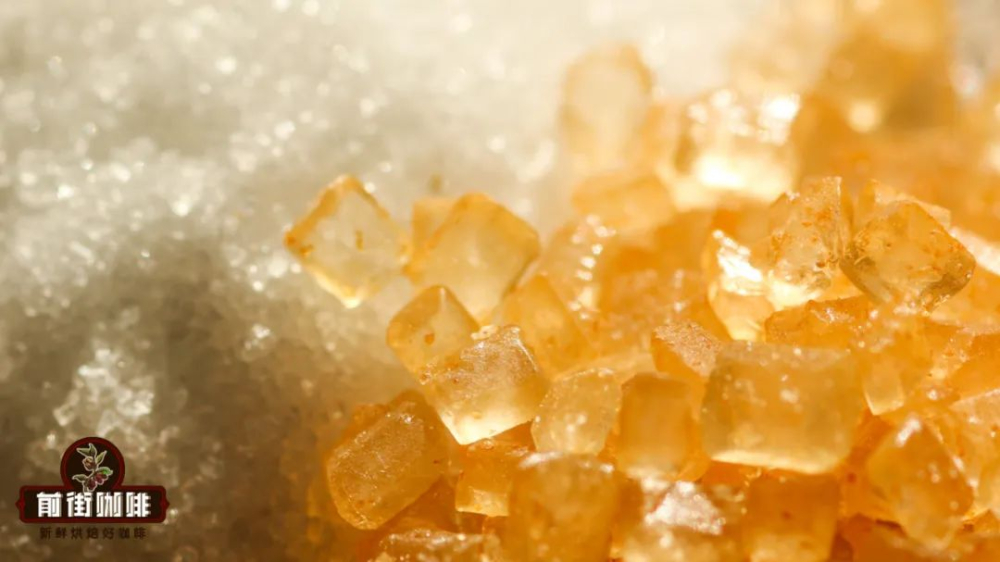
Among the many types of sugars, only a few are commonly used in coffee drinking scenarios, especially for hot beverages (syrup-based additives are not discussed here). Next, we’ll focus on the three most frequently added sugars in coffee: white sugar, brown sugar, and caramel, analyzing their characteristics and suitable contexts.
White Sugar: The Versatile Basic, Ideal for Milk-Based Coffees
White sugar is the most common household and café sugar. It is refined from sugarcane or sugar beets and processed to a high degree of purity, resulting in its pure white crystalline form with almost no impurities. Due to its high purity, its flavor is purely sweet, without additional aromas or off-flavors, making it suitable for all types of coffee, especially excelling in milk-based coffees.
In cafés, white sugar is most commonly paired with milk coffees like lattes and cappuccinos. The reason is that these coffees are usually served at lower temperatures, and the fine granules of white sugar dissolve quickly without affecting the overall mouthfeel. Additionally, cube sugar is also a form of white sugar, equally suitable for milk-based coffees due to its fast dissolution and convenience.
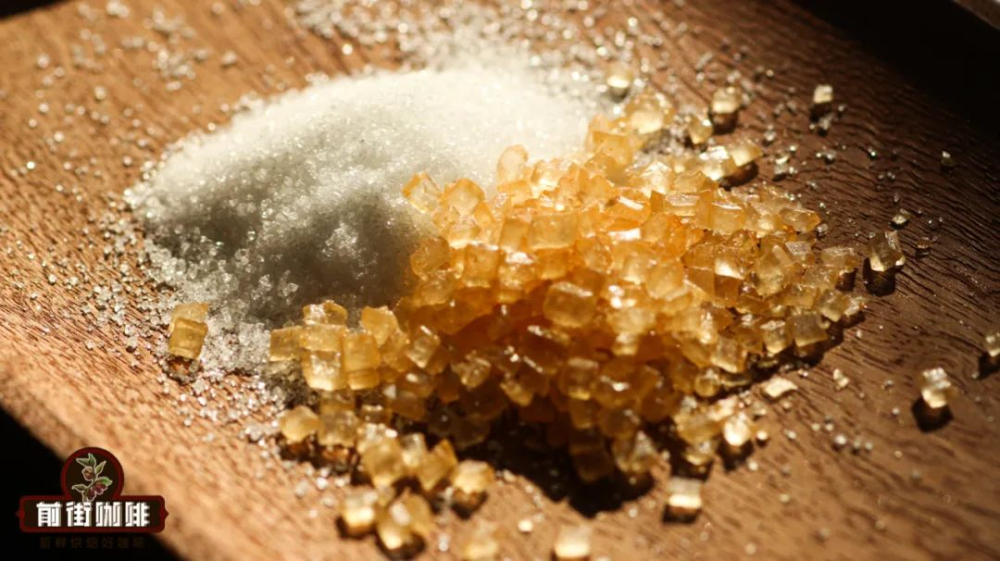
Brown Sugar: Retains Cane Flavor, Suited for Black Coffee
Brown sugar, as common as white sugar, is less refined and retains more natural minerals and trace elements, resulting in a gentler sweetness with a hint of raw cane flavor. Compared to the straightforward sweetness of white sugar, brown sugar offers slightly more complex flavor layers, bringing subtle aromatic variations to coffee.
Brown sugar is generally better suited for pairing with espresso, Americano, and other black coffees without milk. On one hand, its coarser granules dissolve more slowly in lower-temperature milk coffees, while black coffee is typically served hotter, aiding quicker sugar dissolution. On the other hand, the natural sweetness and mild aroma of brown sugar complement the bold flavors of black coffee, enhancing the overall drinking experience.
Caramel: Prominent Aroma, Ideal for Enhancing Coffee Complexity
Caramel is not a single type of sugar but rather a substance produced by heating sucrose or other sugars to around 170°C or higher through caramelization. Due to the heat treatment, caramel has relatively lower sweetness but boasts distinct toasted and nutty notes, which harmonize well with coffee itself.
Adding caramel to coffee not only increases sweetness but also imparts a richer aromatic profile. The popular Caramel Latte found online in recent years, for instance, uses block caramel as a signature element. Caramel is suitable for coffees where aroma and complexity are desired, particularly pairing well with dark roasts or those with nutty and chocolatey flavor profiles.
In summary, although modern coffee drinking trends lean increasingly toward unsweetened coffee, if you enjoy using sugar to enhance flavor, understanding the characteristics of different sugars will help you make a more suitable choice. Whether you’re after the pure sweetness of white sugar, the natural aroma of brown sugar, or the aromatic depth of caramel, each can add a unique dimension to your coffee experience. Remember, adding sugar isn’t “unorthodox”—it’s an expression of personal flavor preference, and there’s no need to hesitate.
The above content is compiled by CoffeeHunters, a coffee news website.


