







Introduction:The coffee-to-water ratio in pour over brewing is one of the key factors influencing flavor expression, but why is the commonly used 1:17 ratio considered the "golden standard" in the Golden Cup extraction chart? Can a mere 5ml difference in water volume truly alter the taste? This article delves into the origins and limitations of the Golden Cup extraction theory, explores the different ratio needs for light and dark roast beans, and provides practical advice to help coffee enthusiasts find their own optimal extraction balance.
The coffee-to-water ratio in pour over coffee has always been a hot topic among coffee enthusiasts. It is well known that the Golden Cup extraction chart is regarded as the golden standard for extraction, yet the recommended 1:17 ratio is not commonly seen in actual pour over practice—indeed, it often puzzles many. What causes this gap? Can adjusting the water volume by just 5 milliliters be enough to change the flavor profile of a cup of coffee? How should the ratio be adjusted for different roast levels? This article will explain these issues in an accessible way, helping you build a more scientific understanding of extraction.
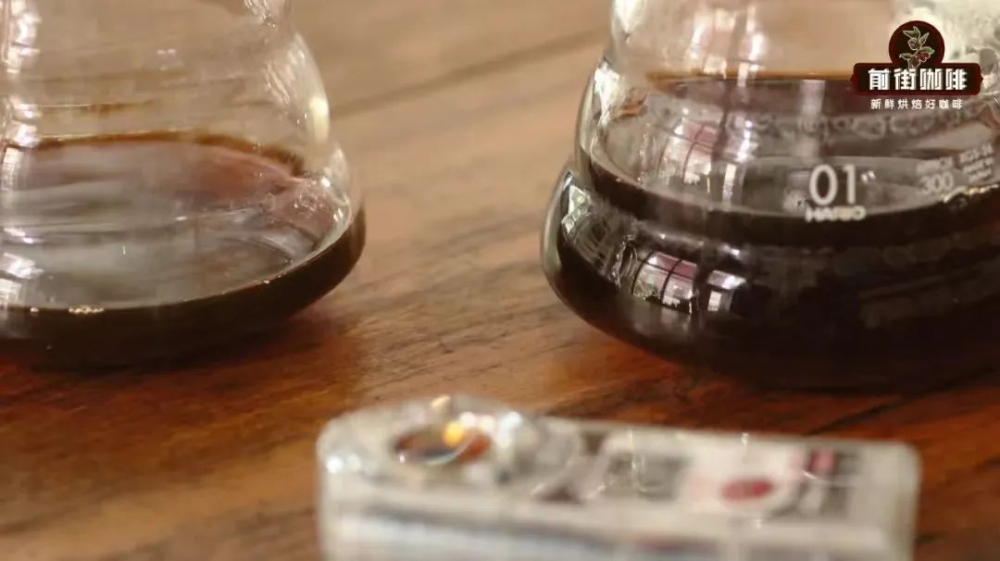
When it comes to the “golden ratio” in pour over coffee, many people immediately think of the famous Golden Cup extraction chart. The core of this chart lies in revealing the relationship between extraction yield (18%–22%) and concentration (1.15%–1.45%). When a coffee’s values fall within this range, it usually delivers better flavor performance. The diagonal lines on the chart represent different coffee-to-water ratios, and theoretically, any ratio between 1:14 and 1:20 can enter the ideal zone, with 1:17 being the most standard. However, this number is not commonly seen in actual pour over applications, raising questions among many coffee lovers.
In fact, the origins of the Golden Cup extraction chart can be traced back to experiments conducted by Dr. Lockhart’s team between 1952 and 1975. Notably, pour over coffee was not popular in the United States at the time. The experimental method mainly involved adjusting the ratio by varying the amount of coffee grounds while keeping the water volume fixed at 1 liter. The equipment used in the experiments was likely the popular drip coffee machines of the time, not modern pour over tools. Additionally, experimental conditions such as grind size (about the coarseness of granulated sugar), water temperature (around 96°C), and extraction time (4–8 minutes) all differ significantly from modern pour over practices. This is why the data in the chart does not always align with real-world pour over experiences.
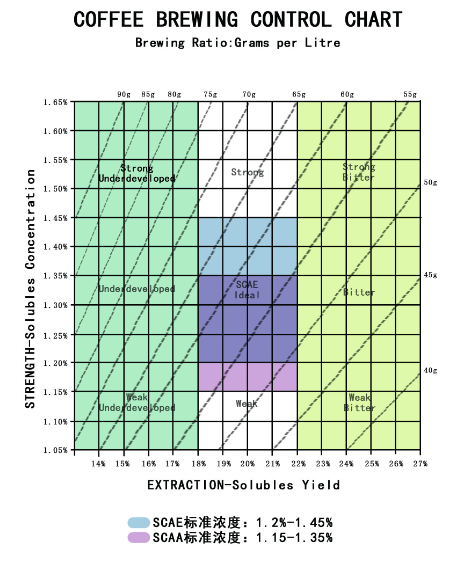
Many beginner coffee drinkers often ask, “Does a 5ml difference in water volume really affect the taste?” The answer is yes, but the degree of difference depends on the baseline ratio. For example, at a 1:15 ratio, water volumes of 220ml, 225ml, and 230ml may seem close, but in actual taste tests, participants could generally distinguish the differences in strength among the three. One coffee shop conducted an informal taste experiment, inviting five customers to blind taste three coffees with different water volumes. All participants were able to correctly rank the strength from light to strong, with four finding all three concentrations acceptable and only one preferring the stronger 220ml version. This simple experiment shows that even small adjustments in water volume can lead to perceivable differences in the final cup.
So, is there an absolute “golden ratio” for pour over coffee? The answer is no. The ideal coffee-to-water ratio is actually a relatively flexible range, and the key is to find the extraction threshold that suits the characteristics of a specific coffee bean. For flavor-forward light roast beans, one coffee shop recommends trying the 1:15 to 1:16 ratio range—1:15 can highlight a rich and full-bodied taste, while 1:16 helps bring out more nuanced layers. On the other hand, for brewing dark roast beans, it is suggested to use a higher concentration ratio of 1:13 to 1:15, which helps tame overly intense bitterness while giving the coffee a rounder mouthfeel.
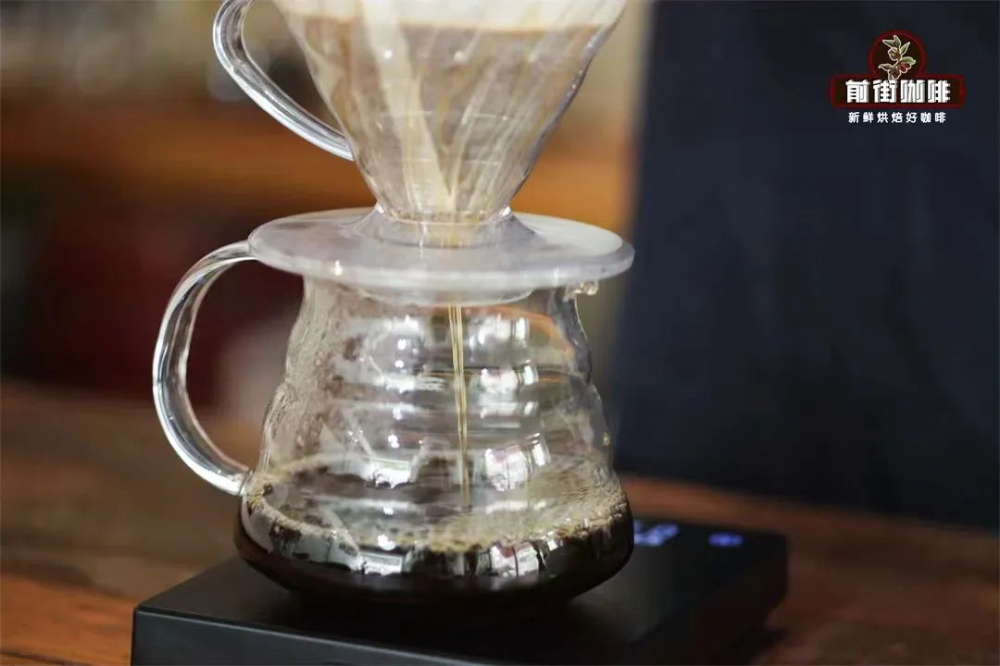
It’s worth mentioning that in certain special cases, seemingly “non-standard” ratios can also deliver surprising flavors. For instance, one coffee shop once tried brewing a light roast coffee at an ultra-low 1:20 ratio, and the result unexpectedly showcased soft, delicate floral notes, bright yet non-harsh acidity, and a rich berry-toned sweetness—with layers that remained anything but thin despite the low concentration. This proves that as long as other extraction parameters (such as grind size, water temperature, and time) are well-matched, the flexibility of the coffee-to-water ratio is actually quite broad. Finally, a reminder: when discussing coffee-to-water ratios, don’t treat them as isolated variables—grind coarseness directly affects water flow rate and extraction efficiency, thereby altering the applicable range of the ratio. It is recommended that coffee enthusiasts evaluate the interplay of other parameters while adjusting the ratio, in order to truly find the perfect balance point that suits their personal taste preferences.
The above content is compiled by CoffeeHunters, a coffee news website.


