








Introduction:Africa is a major birthplace of specialty coffee globally, boasting unique climates and geographical conditions that nurture high-quality coffee beans with distinct flavor profiles. This article delves into the five major African coffee-producing regions—Ethiopia, Kenya, Tanzania, Rwanda, and Burundi—offering a comprehensive and practical guide to selecting and appreciating coffee beans, covering origin environments, cultivation altitudes, processing methods, and representative flavor characteristics.
Located near the equator, Africa enjoys exceptionally favorable climate and geographical conditions, making it one of the world’s premier origins of specialty coffee. Not only is it the birthplace of coffee, but it also cultivates numerous distinctive coffee-growing regions, including Ethiopia known for its floral and citrus notes, Kenya famed for its bright acidity, as well as the increasingly noted Tanzania, Rwanda, and Burundi. Understanding the characteristics of these regions helps coffee enthusiasts make more informed choices based on their personal taste preferences when selecting coffee beans.
Ethiopia: The Cradle of Coffee and the Origin of Diverse Flavors
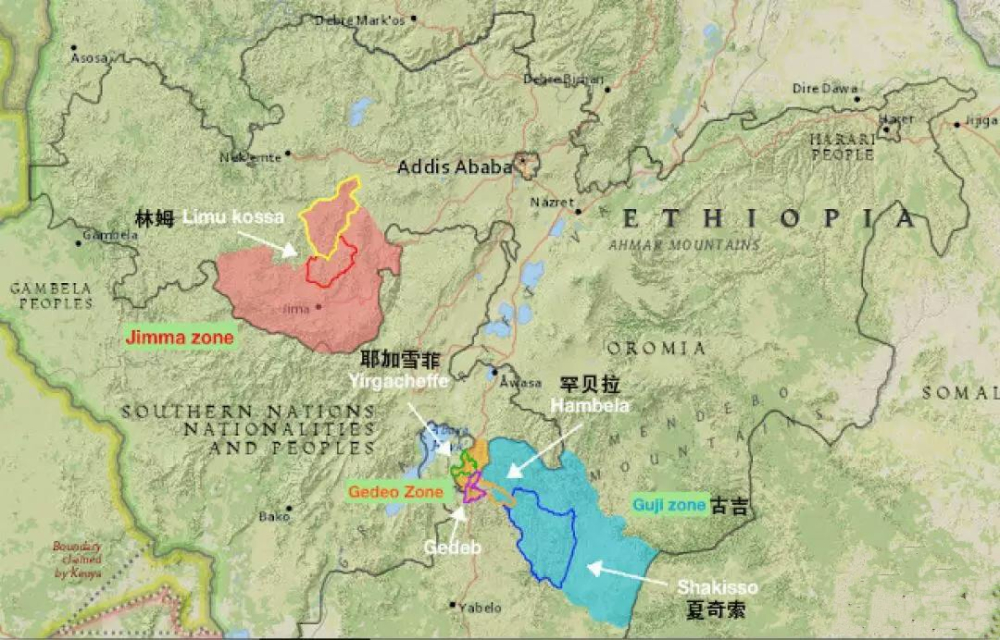
Ethiopia is regarded as the birthplace of coffee, home to a wealth of native varieties that were later introduced to other parts of the world, forming the foundation of today’s diverse coffee cultivars. Most of the country’s coffee is grown by smallholders and categorized into forest coffee, garden coffee, and plantation coffee, with the export process managed uniformly by the government. The nation can be divided into nine major producing regions, among whichYirgacheffeis one of the most renowned.
Taking Yirgacheffe as an example, the local“Red Cherry Natural Project”employs native varieties grown at high altitudes (around 2,300 meters) and processes them using the natural method, imparting pronounced sweet and sour notes such as lemon, berries, and fermented wine aromas, with a lingering lemony acidity and sweet aftertaste. It is a top choice for many pour over enthusiasts.
Kenya: A Model of Coffee with Bright Acidity and Rich Layers
Located in East Africa and straddling the equator, Kenya features diverse terrain, with coffee primarily cultivated at elevations of 1,500 to 2,100 meters. The country enjoys two harvests per year. Kenyan coffee is celebrated for its vibrant acidity, aromatic richness, and balanced body, often referred to as the “cup of connoisseurs.” Notable producing regions include Thika, Kirinyaga, and Nyeri.
Takingthe Thika regionas an example, the coffee there is mostly grown fromSL28 and SL34 varietiesand processed usingKenya’s unique 72-hour double fermentation washed method. The resulting coffee boasts intense cherry tomato and dark plum aromas, with lively and layered acidity, prominent sweetness, and a berry-and-green-tea-infused aftertaste. Its texture is robust, resembling the body of red wine.
Tanzania: A Balanced Blend of Mellow Wine Notes and Berry Tones
Adjacent to Kenya, Tanzania produces coffee with relatively softer flavors, restrained acidity, and rich red wine aromas paired with fruity notes. Major producing areas are located in the Mount Kilimanjaro region in the north and the Ruvuma River basin in the south. Due to differences in altitude and microclimates, the flavors of each area are distinct.
Take the northernMount Kilimanjaro volcanic regionas an example. The coffee produced here mostly uses theBourbon varietyand is processed via the washed method at altitudes of approximately 1,300 to 2,000 meters. The resulting coffee offers flavors of honey, berries, and tea, with a smooth mouthfeel and refreshing aftertaste, making it ideal for those who prefer a balance of soft acidity and fruity notes.

Rwanda: Delicate Balance, a Rising Star Comparable to Central American Coffees
Known as the “Land of a Thousand Hills,” Rwanda is mountainous, with coffee mainly grown at elevations of 1,700 to 2,000 meters. Most of it is cultivated by smallholders on relatively small plots, but with careful farming practices. In recent years, the quality of Rwandan coffee has improved significantly, featuring clear and balanced flavors, bright acidity, and aromas of citrus and tropical fruits.
Taking theNyamasheke regionas an example, the coffee there is processed using the washed method, with main varieties including Bourbon, Catuai, and Catimor. The resulting coffee exhibits aromas of citrus, berries, and nuts, with bright yet non-aggressive acidity and a honey-sweet aftertaste. The overall profile is delicate and smooth, comparable to many Central American specialty coffees.
Burundi: Wild and Bold, Intense Flavors from High-Altitude Mountain Regions
Burundi’s terrain is dominated by plateaus and mountains, with an average elevation of around 1,600 meters across the country, earning it the nickname “Land of Mountains.” The nation is dotted with lakes, and its cool, foggy climate is highly conducive to coffee cultivation. Burundi has almost no large-scale coffee estates and relies mainly on smallholder farming, with traditional washed processing being the predominant method.
Take the “Heart of Africa” from Rurema Town in Burundias an example. Grown at altitudes of 1,400 to 1,700 meters and using the Bourbon variety with washed processing, the coffee delivers intense flavors. Initially, it presents notes of mandarin orange and black plum, transitioning mid-to-late into nutty and caramel sweetness. The overall mouthfeel is bold and layered, with a long-lasting aftertaste, making it ideal for coffee lovers who enjoy wild flavors and deep profiles.For example, grown at an altitude of 1400 to 1700 meters, using the Bourbon variety with washed processing, it delivers a rich flavor profile. The initial sip brings notes of mandarin and black plum, transitioning mid-to-late into a sweetness of nuts and caramel. The overall mouthfeel is bold and layered, with a long-lasting aftertaste, making it ideal for coffee enthusiasts who enjoy wild flavors and deep profiles.
The above content is compiled by CoffeeHunters, a coffee news website.


